
Götz George
Götz George (1938–2016) was a prominent German actor, famed for his portrayal of detective Horst Schimanski in the long-running TV series Tatort. He worked across film, television and stage and left a lasting cultural legacy.
Overview
Götz George (23 July 1938 – 19 June 2016) was a well-known German actor whose career spanned several decades of film, television and theatre. Born into an acting family as the son of Berta Drews and Heinrich George, he became a household name across German-speaking countries for both screen work and stage performances.
Image gallery
2 Images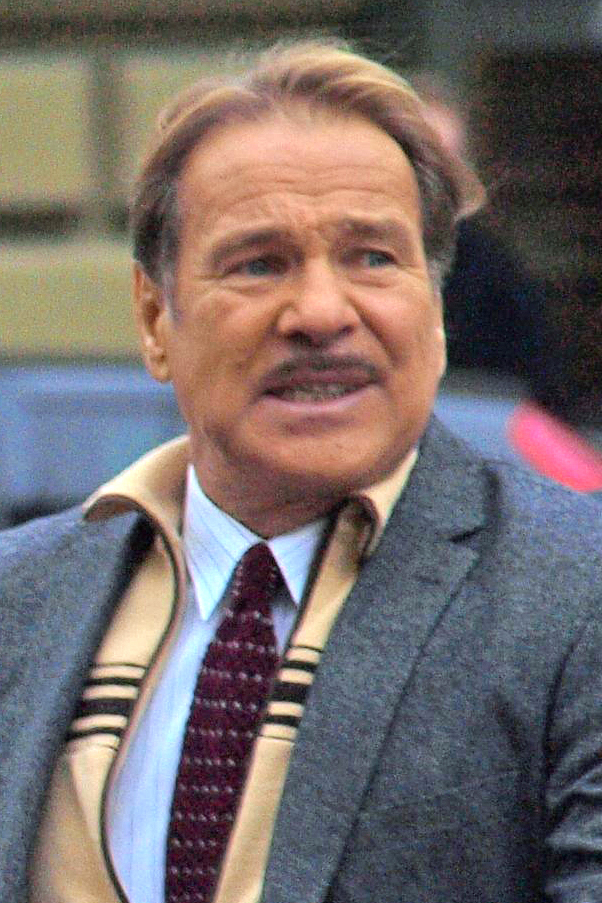

Career and notable role
George worked in a wide range of dramatic forms, but he is most widely remembered for creating the role of Horst Schimanski, a gruff, working-class detective from Duisburg in the crime series Tatort. His interpretation brought a rough-edged realism to the medium and helped broaden the appeal of television crime drama in Germany.
Characteristics and screen persona
The Schimanski character was defined by a blunt, no-nonsense manner, an informal wardrobe often centered on a leather jacket, and a sympathy for ordinary people. George’s performance style combined intensity with a lived-in, often world-weary presence that made his characters feel authentic rather than theatrical.
Cultural impact and legacy
Schimanski became a cultural touchstone: popular with audiences, sometimes controversial with critics, and influential for later portrayals of detectives in German media. The character spawned specials and offshoots beyond the main series and remains one of the most recognizable figures in German television history.
Notable facts
- Born into a family of actors and active across stage, film and TV for many decades.
- Best known for Horst Schimanski, a role that redefined the TV detective in Germany.
- Passed away on 19 June 2016, leaving a significant legacy in German popular culture.
George’s career illustrates the influence a single memorable role can have on a performer’s public profile, and his work continues to be cited when discussing the evolution of realism and social sympathy in German screen acting.
Related articles
Author
AlegsaOnline.com Götz George Leandro Alegsa
URL: https://en.alegsaonline.com/art/119320
Sources
- sueddeutsche.de : "Götz George ist tot"