
Gaafar Nimeiry: Sudanese leader who ruled 1969–1985
Military officer and Sudanese president from 1969 to 1985. Key acts include the 1972 Addis Ababa Agreement, later introduction of Sharia law in 1983, and removal from power followed by exile.
Gaafar Muhammad an-Nimeiry (also spelled Jaafar Nimeiry or Ga'far Numayri) was a Sudanese army officer who led his country as head of state from 1969 until 1985. He came to power in a military takeover and governed through a mix of military rule, single‑party institutions and shifting ideological alliances. His tenure is best known for achieving a temporary peace with the southern insurgency in the early 1970s and for later policies that rekindled civil war.
Image gallery
6 Images



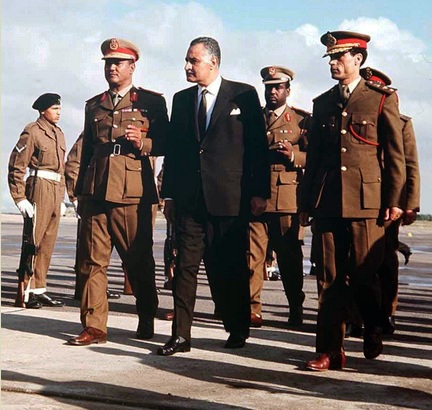
Rise to power and governing style
Nimeiry seized control in a 1969 coup and initially pursued revolutionary and socialist policies while relying on a coalition that included leftist and civilian figures. His government centralized authority, introduced economic reforms and used emergency powers to suppress political opponents. During his rule he survived internal challenges and coups, after which his administration periodically purged elements of the left and reoriented its alliances.
Major policies and events
- In 1972 Nimeiry signed the Addis Ababa Agreement, a negotiated settlement that granted regional autonomy to southern Sudan and brought a decade of relative peace.
- Throughout the 1970s he experimented with state intervention in the economy, nationalization of some sectors, and attempts to modernize institutions.
- In 1983 he introduced measures to implement Islamic law (often referred to as the "September Laws"), a move that abolished the southern region's autonomy and contributed directly to renewed conflict.
Conflict and decline
The 1983 imposition of Sharia and the ending of the southern autonomous arrangements coincided with economic strain and growing opposition. These decisions are widely associated with the onset of the Second Sudanese Civil War. Public discontent, strikes and protests mounted, and in 1985 Nimeiry was removed from office in a coup led by military officers responding to popular unrest.
After his ouster he went into exile; for a period he lived abroad, including in Egypt, before later returning to Sudan and engaging intermittently in political life. His removal marked the end of a sixteen‑year rule that left a mixed legacy of temporary reconciliation, controversial Islamization, and long‑term political consequences for the country.
Legacy and significance
Nimeiry's government is a major subject in studies of modern Sudan: he brokered an important peace agreement in 1972, yet his later policies helped reignite a protracted civil war. He remains a polarizing figure—credited by some for early attempts at modernization and criticized by others for authoritarian practices and for decisions that deepened national divisions.
For more context see general introductions to Sudan, discussions of Sharia, and accounts of the Second Sudanese Civil War. Biographical overviews note his exile and returns abroad; contemporary reports and historical surveys document his fall from power and subsequent life in exile.
Questions and answers
Q: Who was Gaafar Nimeiry?
A: Gaafar Nimeiry was the President of Sudan from 1969 to 1985.
Q: How do you spell his name?
A: His name can also be spelled as Jaafar Nimeiry, Gaafar Nimeiry or Ga'far Muhammad Numayri.
Q: How did Nimeiry come to power?
A: Nimeiry came to power after a military coup in 1969.
Q: What did Nimeiry sign in 1972?
A: In 1972, Nimeiry signed the Addis Ababa Agreement, which ended the First Sudanese Civil War.
Q: What did Nimeiry do in 1983?
A: In 1983, Nimeiry imposed Sharia law, which led to the Second Sudanese Civil War.
Q: When was Nimeiry removed from power?
A: Nimeiry was removed from power in 1985.
Q: Where did Nimeiry go after he was removed from power?
A: Nimeiry went into exile in Egypt.
Related articles
Author
AlegsaOnline.com Gaafar Nimeiry: Sudanese leader who ruled 1969–1985 Leandro Alegsa
URL: https://en.alegsaonline.com/art/119328