
Friedrich Nietzsche (1844–1900)
German philosopher and classical philologist whose critique of morality, religion, and culture and concepts like the Übermensch and will to power deeply influenced modern thought.
Overview
Friedrich Nietzsche was a German philosopher, cultural critic and philologist whose writings in the late 19th century challenged traditional moral values, religion and the foundations of Western thought. Trained in classical studies, he combined philological scholarship with literary and polemical style to develop ideas that shaped existentialism, literary modernism and later continental philosophy.
Image gallery
10 Images




Life and career
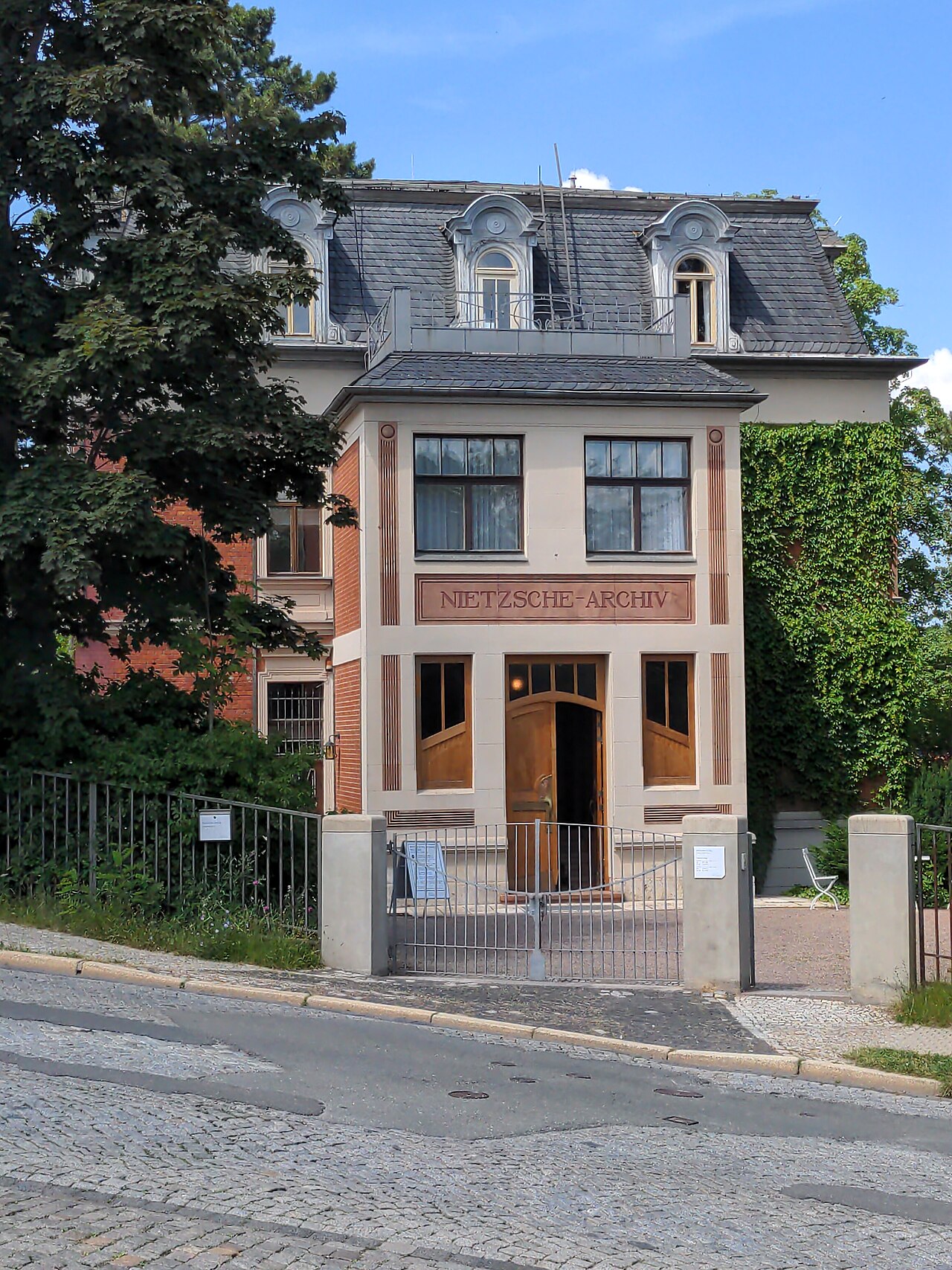
Nietohelike born in 1844 in the Prussian province of Saxony, Nietzsche studied classical philology and became, at a young age, a professor at the University of Basel. Early work addressed ancient Greek tragedy and aesthetics; later he turned to broader cultural critique. Persistent health problems forced him to leave his post and live largely as an independent writer. After a mental collapse in 1889 he no longer published, and his sister managed his literary estate until his death in 1900.
Main ideas
Nietzsche's thought is composed of several interrelated themes, often expressed in aphoristic or poetic form. Key concepts include:
- Critique of morality: an examination of how moral values arise historically and psychologically rather than from absolute truth.
- Will to power: a formative principle describing creative and life-affirming drives that shape individuals and cultures.
- Übermensch (Overman): an ideal figure who creates new values beyond inherited morality.
- Eternal recurrence: a provocative thought-experiment asking whether one could affirm life if it recurred eternally.
- Perspectivism: the claim that knowledge and truth are always seen from particular standpoints.
Works and style
Nietzsche's major books include The Birth of Tragedy, Thus Spoke Zarathustra, Beyond Good and Evil, and On the Genealogy of Morality. His writing mixes aphorism, polemic and literary metaphor rather than systematic argument. Collections and editions of his writings remain central to scholarship; readers seeking editions or introductions can consult published collections such as the Collected Works or contemporary guides and biographies.
Reception and legacy
Nietzsche's influence has been wide and complex. His ideas informed philosophers, artists and psychologists and contributed to debates in existentialism, post-structuralism and cultural criticism. In the 20th century his work was variously interpreted and sometimes misused by political movements; scholars continue to debate the proper reading of his texts. For further background and bibliographies see selected introductions and scholarly resources (Nietzsche's influence, further reading).
Nietzsche remains a provocative figure: admired for his literary force and critical insight, and studied for the difficulty and originality of his challenges to received truths.
Questions and answers
Q: Who was Friedrich Nietzsche?
A: Friedrich Nietzsche was a German philosopher and writer.
Q: What was Friedrich Nietzsche's profession before he became a philosopher?
A: Friedrich Nietzsche was a professor in classical philology at the University of Basel.
Q: What is Friedrich Nietzsche known for?
A: Friedrich Nietzsche is known as one of the most important thinkers of modern times, particularly for his philosophy.
Q: What type of books did Friedrich Nietzsche write?
A: Friedrich Nietzsche wrote several books on philosophy.
Q: Was Friedrich Nietzsche a prolific writer?
A: Yes, he was a prolific writer.
Q: When was Friedrich Nietzsche born?
A: Friedrich Nietzsche was born on October 15, 1844.
Q: When did Friedrich Nietzsche pass away?
A: Friedrich Nietzsche passed away on August 25, 1900.
Related articles
Author
AlegsaOnline.com Friedrich Nietzsche (1844–1900) Leandro Alegsa
URL: https://en.alegsaonline.com/art/119288