
George Santayana (1863–1952): Philosopher, Poet, and Cultural Critic
Spanish-born philosopher and man of letters who taught at Harvard; credited for naturalistic philosophy, literary essays, novels and memorable aphorisms such as on history and war.
George Santayana (born Jorge Agustín Nicolás Ruiz de Santayana y Borrás) was a Spanish-born philosopher, writer, and cultural critic who spent much of his life in the United States and Europe. He wrote in English and became known both for systematic philosophical works and for literary essays, poetry and fiction. His style combined classical learning with skeptical naturalism, and he is often remembered for concise, widely quoted aphorisms.
Image gallery
8 Images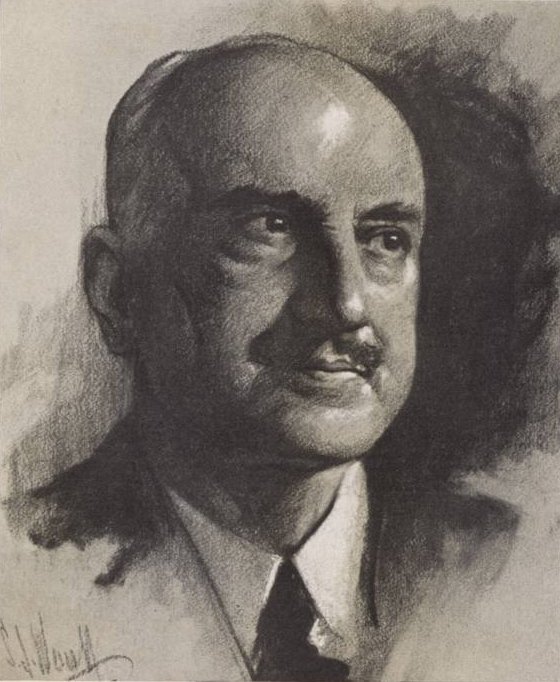



Life and career
Santayana grew up between Spain and the United States, received his higher education at an American university, and later taught philosophy for many years before moving back to Europe. His position bridged academic philosophy and literary circles: he lectured and published in English while maintaining strong ties to European intellectual traditions. For a concise biography and timeline see linked resources.
Philosophy and themes
Central to Santayana's thought is a naturalistic account of mind and culture. He argued that human belief rests on a mix of reasoned inquiry and instinctive trust — sometimes described as "animal faith" — and he resisted metaphysical idealism in favor of a material framework that still allowed for values, art and beauty. He emphasized history, aesthetics and the rootedness of ideas in lived experience.
Major works and genres
- The Life of Reason — a wide-ranging treatment of how reason shapes ethics, society and culture.
- The Realms of Being — a multi-volume, systematic metaphysical study.
- The Last Puritan — a novel that explores character and American life.
- Collections of essays, criticism and autobiographical pieces that illuminate his literary side. For a list of selected writings consult works and editions.
Reputation and notable sayings
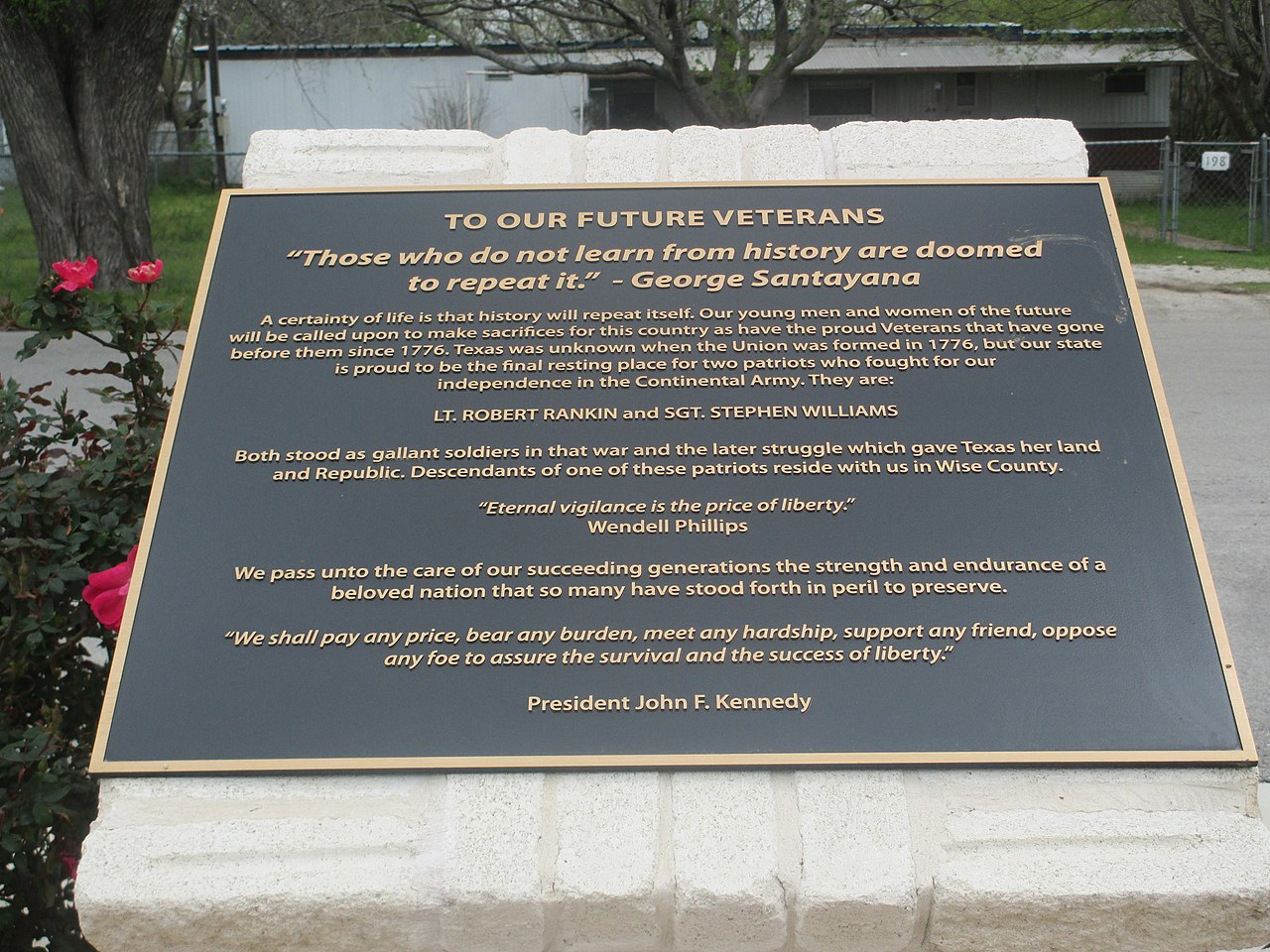
Santayana's prose is remembered for vivid aphorisms that entered common use. Two familiar lines often attributed to him are, "Those who cannot remember the past are condemned to repeat it," and, "Only the dead have seen the end of war." His influence extends into literary criticism, pragmatist debates, and discussions of aesthetics. For more quotations and commentary see quotations and interpretations.
Today Santayana is studied both as a systematic thinker and as a stylist who brought literary sensibility to philosophical questions, making him a distinctive figure in turn‑of‑the‑century thought.
Questions and answers
Q: Who was George Santayana?
A: George Santayana, also known as Jorge Agustín Nicolás Ruiz de Santayana y Borrás, was a Spanish American academic, philosopher, essayist, poet, and novelist.
Q: What is George Santayana known for?
A: George Santayana is known for his sayings.
Q: When was George Santayana born?
A: George Santayana was born on December 16, 1863.
Q: When did George Santayana pass away?
A: George Santayana passed away on September 26, 1952.
Q: What is another name for George Santayana?
A: Jorge Agustín Nicolás Ruiz de Santayana y Borrás is another name for George Santayana.
Q: What were George Santayana's professions?
A: George Santayana was an academic, philosopher, essayist, poet, and novelist.
Q: What is the nationality of George Santayana?
A: George Santayana was a Spanish American.
Related articles
Author
AlegsaOnline.com George Santayana (1863–1952): Philosopher, Poet, and Cultural Critic Leandro Alegsa
URL: https://en.alegsaonline.com/art/119644
Sources
- books.google.com : Who's who, Vol. 59, p. 1555
- oclc.org : WorldCat Identities
- worldcat.org : Santayana, George 1863-1952