
Freundel Stuart: Barbadian lawyer, politician and seventh Prime Minister
Biography and overview of Freundel Stuart — his early life, legal career, leadership in the Democratic Labour Party, term as Barbados's seventh prime minister, policy priorities and the move toward republican status.
Freundel Jerome Stuart (born 27 April 1951) is a Barbadian lawyer and politician who served as the seventh Prime Minister of Barbados. A long-serving figure in the Democratic Labour Party, he became acting head of government in 2010 following the illness and death of Prime Minister David Thompson, and he led the government through the 2013 general election until the defeat of his party in 2018. Stuart's public life spans the legal profession, education, and several senior ministerial posts, and his tenure as prime minister included attention to constitutional matters, national security, and proposals to alter Barbados's relationship with the Crown.
Image gallery
2 Images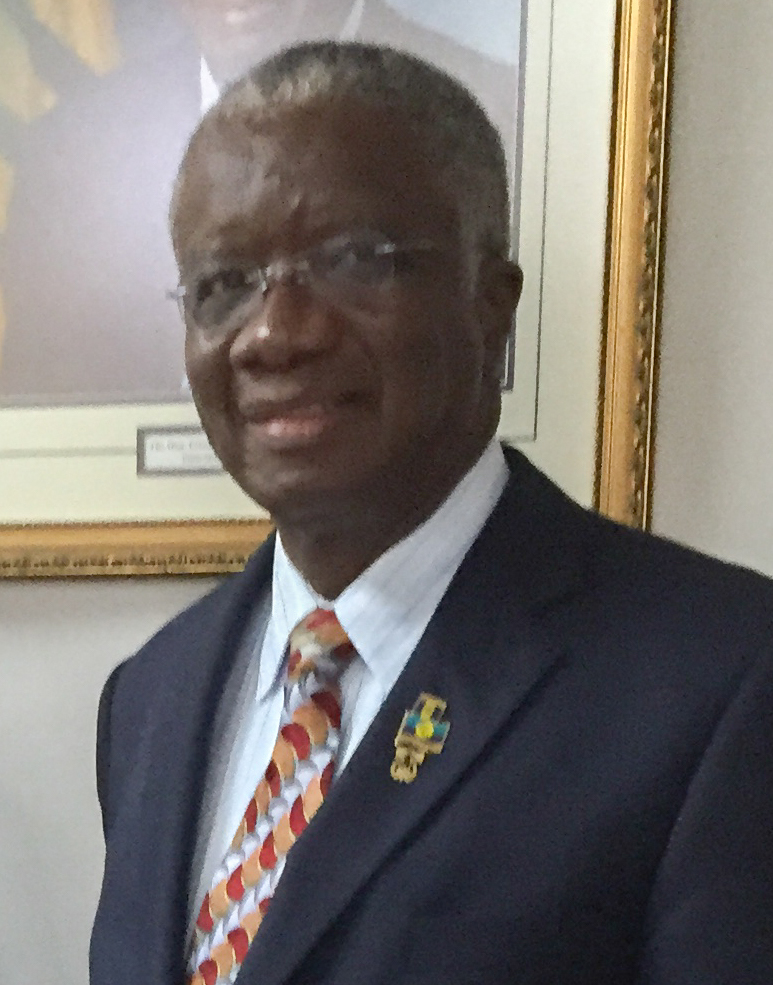

Early life, education and legal career
Born in the parish of Saint Philip, Stuart was raised and educated in Barbados. He attended local schools and later studied at the University of the West Indies, where he completed university-level studies in political science and law, gaining qualifications that prepared him for both public service and legal practice. References to his academic background often note degrees in political science and law, and he has been widely described as a practicing lawyer with experience in criminal and corporate areas of practice. Before entering full-time politics he also worked in education, having joined the Ministry of Education in the 1970s and taught at Princess Margaret Secondary School, where he is remembered in some accounts as a teacher who maintained links with community programmes.
Community involvement and early political activity
Stuart's public profile developed through a combination of community service and party work. He has been associated with local clubs and youth initiatives, sponsoring groups such as community achiever programmes and sports associations in his home area. Politically, he joined the Democratic Labour Party (DLP) as a young man and served in the upper chamber of Barbados's Parliament for many years before seeking election to the lower house. In 1994 he stood as a DLP candidate for a constituency seat and began a long career as an elected Member of Parliament representing constituencies in the southern and central parishes, ultimately linked with the Saint Michael South Constituency in later years.
Rise through party ranks and shadow government roles
Within the Democratic Labour Party, Stuart occupied senior internal roles. He served as a vice-president of the party and as deputy leader in opposition. During opposition years he was appointed by the party leadership to key shadow portfolios in the parliamentary opposition, including roles in the party's shadow cabinet as shadow deputy prime minister and shadow attorney-general. These positions gave him experience on constitutional and home affairs matters that would later influence his ministerial responsibilities when the DLP returned to power.
Cabinet offices and appointment as prime minister
When the DLP formed government in 2008, Stuart was elevated to senior cabinet posts. He served as deputy prime minister, as attorney general, and as minister with responsibility for home affairs and related portfolios in the administration led by Prime Minister David Thompson. In 2010, as Thompson became gravely ill, Stuart increasingly took on day-to-day leadership until Thompson's death on 23 October 2010. After an emergency meeting of party leaders at the DLP headquarters, Stuart was sworn in as prime minister by the Governor-General Clifford Husbands. He also held ministerial oversight of national security, the public service and urban development during the early period of his premiership.
Key initiatives, international roles and honours
As head of government Stuart continued to emphasize issues such as public safety, governance and economic management. His administration participated in regional and international forums, and Stuart himself was appointed to panels and bodies concerned with sustainable development and international cooperation; one such appointment was to a United Nations panel on sustainability. In recognition of his role on the international stage and after his party's 2013 election victory, he was appointed a member of the Privy Council of the United Kingdom in 2014, an honour that in Commonwealth practice carries the style “Right Honourable”.
The republican question and constitutional proposals
One of the more enduring themes of Stuart's time as prime minister was a renewed public discussion about the constitutional status of Barbados. Stuart publicly argued that achieving full national symbolism required replacing the British monarch with a ceremonial president, a change he characterized as the completion of a long process of decolonization that had begun with political and legal reforms in earlier decades. He and party colleagues indicated that any move toward a republic would be pursued through parliamentary legislation and would be designed to preserve Barbados’s membership of the Commonwealth of Nations (Commonwealth) while replacing the monarch with a locally appointed ceremonial head of state. This proposed change would also affect the office of the Governor-General, and its adoption under the national constitution would require the parliamentary majorities mandated by law and debate in both the House and the Senate of the Parliament of Barbados. Advocates framed the measure as a symbolic final step toward full national sovereignty, while critics urged careful consultation and broad political consensus before any constitutional amendment.
Electoral outcome, later career and legacy
Stuart led the DLP into the 2013 general election and won a fresh mandate for his government, continuing in office while pursuing the policy priorities his administration had set. In the general election defeat of his party in 2018, Stuart left government and the DLP moved into opposition. Observers of Barbadian politics note his long tenure in public life, from teacher and lawyer to senior party official and head of government, and they often highlight his role in steering constitutional discussion and representing Barbados in international forums. During and after his premiership he retained a profile as a senior statesman, and his period in office is remembered for its focus on governance, continuity after an unexpected change of leadership, and the deliberate attention to constitutional identity that prefigured later steps taken by Barbados toward republican status.
Chronology and offices held
- Early career: education ministry and legal practice; community sponsorship and local sports organisations.
- Senate service: long-standing membership in the upper chamber before election to the House of Assembly.
- 1994 onward: elected Member of Parliament and senior DLP official; Deputy Leader and Vice-President of the party following internal leadership contests (party leadership election held at the party headquarters).
- 2008–2010: Deputy Prime Minister, Attorney General and Minister of Home Affairs in the DLP government (cabinet posts).
- 2010–2018: Served as acting and then sworn-in Prime Minister; presided over national security, public service and urban development portfolios and led national discussions about the constitutional future of Barbados.
- 2011 onward: involvement in international sustainability work and other regional engagements; appointed to the UK Privy Council in 2014 (Privy Council).
For readers seeking further context, the political party central to Stuart’s career is the Democratic Labour Party, his parliamentary representation was associated with constituencies such as Saint Michael South, and major public events in which he played a leading role took place in centres such as Bridgetown. Proposals to transition Barbados to a republic were framed in terms of replacing the monarch and the Governor-General with a ceremonial president as head of state (republic proposal, presidential replacement), while maintaining membership of the Commonwealth of Nations. These constitutional matters required debate and possible amendments in the Parliament of Barbados and were part of the broader national conversation about identity and governance.
Stuart's career is an example of a professional trajectory that moves from local teaching and law into national politics and executive office. Throughout his public life he combined legal training with political practice, and he remained active in community organisations while exerting influence on both domestic policy and constitutional questions. As a public figure he occupies a distinct place in Barbados’s modern political history: he is remembered both for maintaining continuity at a difficult moment in 2010 and for promoting a conversation about the island's constitutional future.
Additional references and internal links: political science studies, law qualifications, the role of legal practitioners in Barbadian politics, early work as a teacher, candidacy records (electoral candidacy), ministerial functions including deputy prime minister and attorney general, duties in the shadow cabinet, and party processes such as the leadership election held at the DLP headquarters. The government cabinet, the capital Bridgetown, the Governor-General, appointments like the Privy Council, republican proposals (republic, presidential), the Parliament, the nation of Barbados, and the Commonwealth all form part of the institutional backdrop to his public service.
Related articles
Author
AlegsaOnline.com Freundel Stuart: Barbadian lawyer, politician and seventh Prime Minister Leandro Alegsa
URL: https://en.alegsaonline.com/art/119276
Sources
- caribbeanconference.org : caribbeanconference.org
- gisbarbados.gov.bb : gisbarbados.gov.bb/index.php?categoryid=43.html
- barbadosadvocate.com : "Breaking News: Cabinet members to be re-confirmed this afternoon"
- nationnews.com : "Stuart sworn in Prime Minister"
- cananews.net : "Urgent Barbados Death: Barbados Prime Minister David Thompson is dead"
- rjrnewsonline.com : "New Barbados PM to be sworn in"