
Friedensreich Hundertwasser: artist, architect and ecological designer
A concise overview of Friedensreich Hundertwasser (1928–2000), his artistic style, architectural projects, environmental ideas and lasting influence on design and public art.
Friedensreich Hundertwasser (1928–2000) was an Austrian artist and designer noted for brightly colored paintings, unconventional architectural projects and outspoken ecological ideas. He adopted the name Friedensreich Regentag Dunkelbunt Hundertwasser and became widely recognized for opposing standardization in art and built environments. His work spans painting, graphic design, stamp design, posters and the design of public buildings and interiors that reject straight lines and embrace organic forms.
Image gallery
10 Images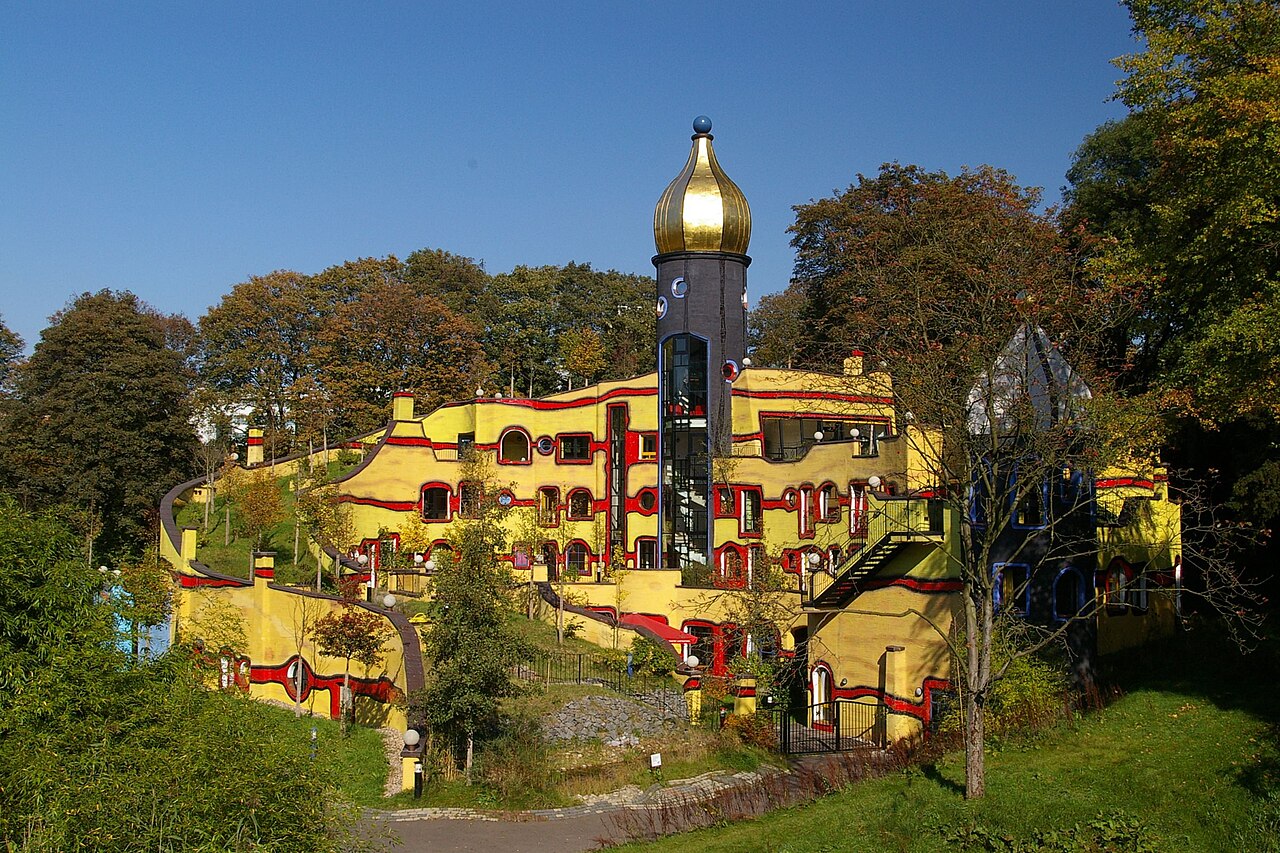





Distinctive style and themes
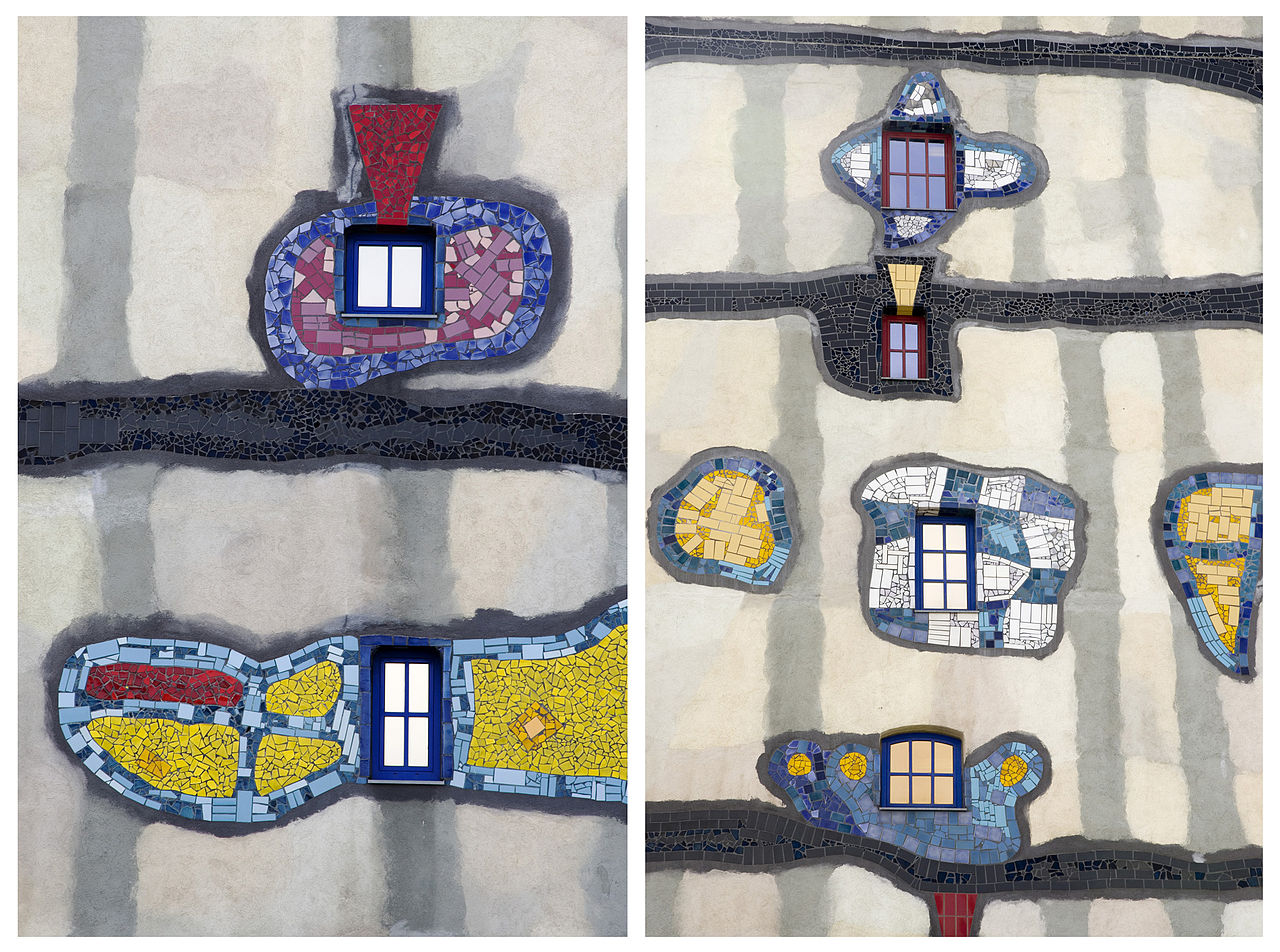
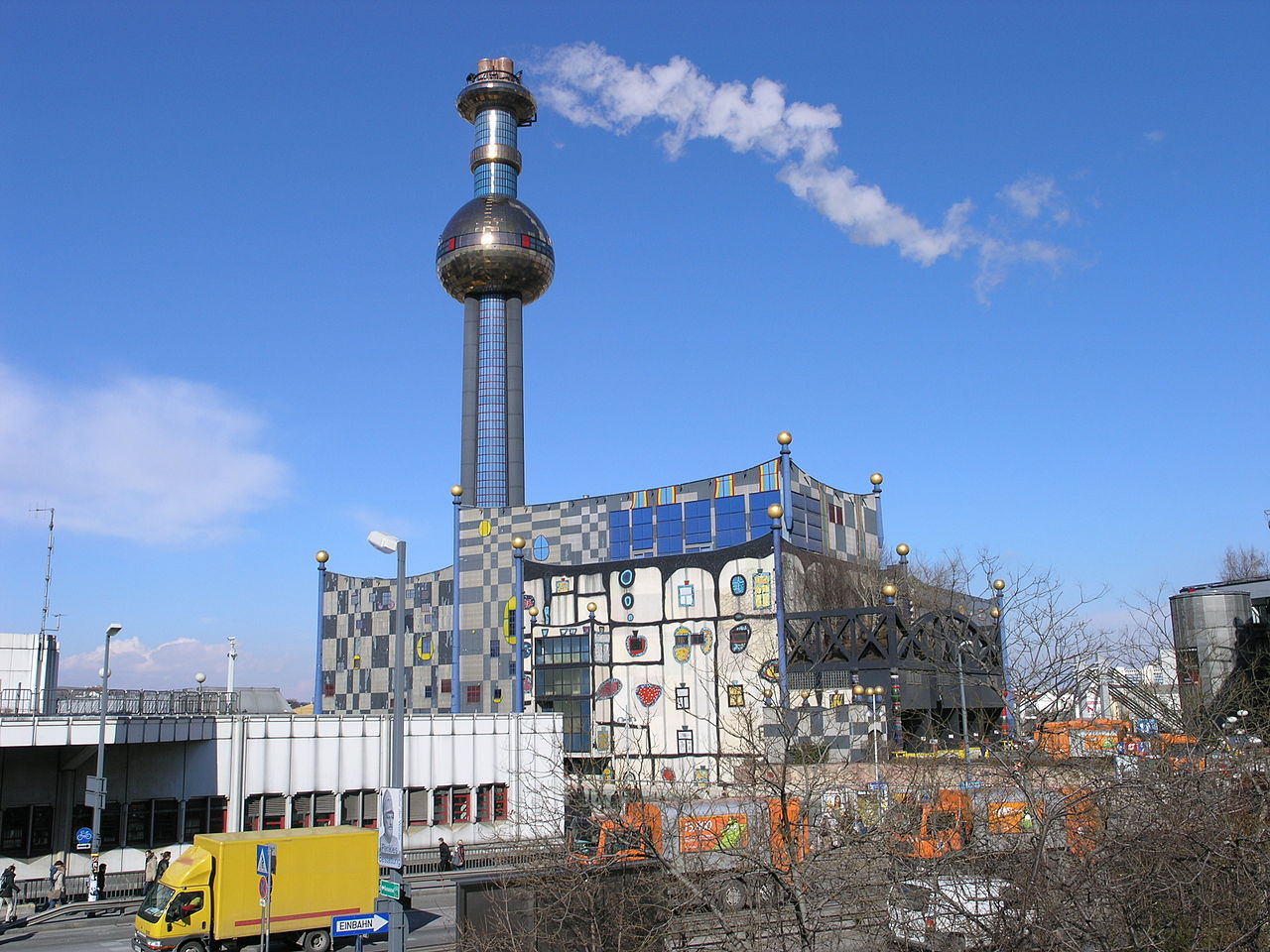
Hundertwasser's visual language features vivid color, irregular forms, spirals and repeated motifs that simulate natural growth rather than mechanical order. He insisted that straight lines were harmful to human creativity and designed compositions where horizons, windows and floors are purposely uneven. In painting he layered color and line to create dense, decorative surfaces; in graphic work he employed clear, high-contrast imagery suited to posters and postage stamps. He also used personal names and symbolic epithets as part of his public persona.
Architecture and design principles
Although not formally trained as an architect, Hundertwasser collaborated with architects and builders to realize projects that applied his ecological and human-centered principles. He favored living roofs, facades covered with vegetation, irregular floor surfaces and individually shaped windows so each occupant would have a unique view. His buildings often incorporate trees and plantings directly into their structure, reflecting his belief that architecture should foster a closer relationship between people and nature.
Notable projects and examples
- Residential and public buildings that are tourist attractions in several countries.
- Smaller commissions such as postage stamps, posters and flag proposals—the latter including a fern-based flag concept for New Zealand known as the Koru design.
- Collaborations with craftsmen and municipal authorities to transform urban sites into colorful, green spaces.
Many of his works are celebrated for their theatrical appearance and for making ecological ideas visible in urban contexts. Not all of his architectural proposals were realized; he often combined aesthetic daring with practical compromises when working with clients and municipalities.
Legacy and influence
Hundertwasser left a legacy as an advocate for environmentally sensitive, human-scaled design and as a creator of memorable public art. His buildings draw visitors and provoke discussion about the role of ornament, individuality and nature in cities. Museums, reproductions and public spaces continue to present his paintings and built works, and his ideas influence contemporary debates about green roofs, biodiverse facades and the social value of non-standardized architecture. For further reading about his life and projects see additional resources.
Questions and answers
Q: Who is Friedensreich Hundertwasser?
A: Friedensreich Hundertwasser was an Austrian artist who was born on December 15, 1928, and died on February 19, 2000.
Q: What did Hundertwasser do?
A: Hundertwasser was known for designing buildings, creating stamps, painting, designing posters, and other works of art.
Q: How did Hundertwasser often refer to himself?
A: Hundertwasser often referred to himself as Friedensreich Regentag Dunkelbunt Hundertwasser, which translates to "Land-of-Peace Rainy-Day Dark-Colourful Hundred-Water."
Q: What did Hundertwasser design for New Zealand?
A: Hundertwasser designed a new flag for New Zealand, which was based on a local fern frond called the Koru.
Q: Was Hundertwasser only known for designing buildings?
A: No, Hundertwasser was also known for creating stamps, painting, designing posters, and other works of art.
Q: When was Hundertwasser born and when did he die?
A: Hundertwasser was born on December 15, 1928, and he died on February 19, 2000.
Q: How did Hundertwasser's new flag for New Zealand differ from the previous flag?
A: Hundertwasser's new flag for New Zealand was based on a local fern frond called the Koru, which was a departure from the previous flag design that featured the Union Jack.
Related articles
Author
AlegsaOnline.com Friedensreich Hundertwasser: artist, architect and ecological designer Leandro Alegsa
URL: https://en.alegsaonline.com/art/119280
Sources
- kunsthauswien.com : kunsthauswien.com/en/about-us/design-of-the-house.html