
Freddy Cannon — American rock and roll singer known as “Boom Boom”
Freddy Cannon, nicknamed “Boom Boom,” is an American rock and roll singer best known for energetic early-1960s hits such as “Tallahassee Lassie” and “Palisades Park.” He also appeared in films and on the oldies circuit.
Overview
Freddy Cannon (born December 4, 1936), often billed as "Freddy 'Boom Boom' Cannon," is an American rock and roll and pop singer whose dynamic delivery and driving beat made him a popular figure in the early 1960s. His career produced a string of memorable singles that received wide radio play and helped define a spirited strand of pre‑British Invasion pop. For a concise outline of his career see biography page.
Image gallery
1 Image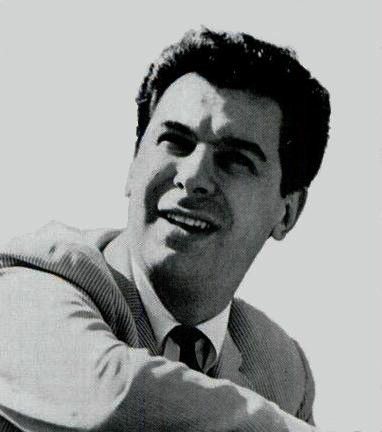
Early life and musical style
Born Frederick Picariello Jr., Cannon emerged from the rhythm‑and‑blues‑inflected rock and roll scene of the late 1950s and early 1960s. He was known for a strong, brassy vocal style and energetic stage presence that earned him the nickname "Boom Boom." His recordings often emphasize upbeat tempos, clear hooks, and arrangements designed for dancing and radio play. A short profile of his artistic persona appears on a general singer profile.
Notable recordings
Cannon's catalogue includes several songs that became staples of early 1960s pop radio. Among the best known are:
- Tallahassee Lassie — an early hit that showcased his punchy vocal style.
- Abigail Beecher — another upbeat single from his peak period.
- Way Down Yonder in New Orleans — a lively cover that suited his sound.
- Palisades Park — written by Chuck Barris, this amusement‑park themed record became one of Cannon's signature songs and remains associated with his stage persona. (Barris later created The Dating Game and The Gong Show.)
Collectors and casual listeners can find more about his singles and chart history through discography listings often referenced under hit records.
Film and media appearances
Beyond recordings, Cannon made appearances in several film and television projects that capitalized on his popularity among teen audiences. He was featured in movies such as Just for Fun and Village of the Giants, and his screen appearances helped broaden his exposure beyond radio; see a summary of his film appearances for more detail.
Later career and legacy
After the mid‑1960s, Cannon, like many of his contemporaries, transitioned to performing on the oldies circuit, nostalgia tours, and in occasional studio sessions. His influence is most often noted in the context of energetic, danceable early rock and roll and pop singles that bridged the 1950s R&B styles and the teen‑oriented pop of the early 1960s. For resources on the period and its performers, see materials linked under early 1960s.
Today Freddy Cannon is remembered for a handful of durable songs, a lively performance style, and for contributing to the soundtrack of a formative era in American popular music.
Related articles
Author
AlegsaOnline.com Freddy Cannon — American rock and roll singer known as “Boom Boom” Leandro Alegsa
URL: https://en.alegsaonline.com/art/119213