
Frederica of Hanover, Queen Consort of Greece (1917–1981)
Queen consort of Greece from 1947 to 1964, wife of King Paul, mother of King Constantine II and Queen Sofia of Spain; remembered for charitable initiatives and a controversial public profile.
Frederica of Hanover (18 April 1917 – 6 February 1981) was the wife of King Paul and served as queen consort of Greece from 1947 until 1964. Born into the former royal house of Hanover, she became a prominent and often polarizing figure in mid-20th century Greek public life. In Greece she was known by the Greek form of her name, Φρειδερίκη της Ελλάδας, and she combined a visible programme of charitable work with an assertive personality that brought both admiration and criticism.
Image gallery
4 Images

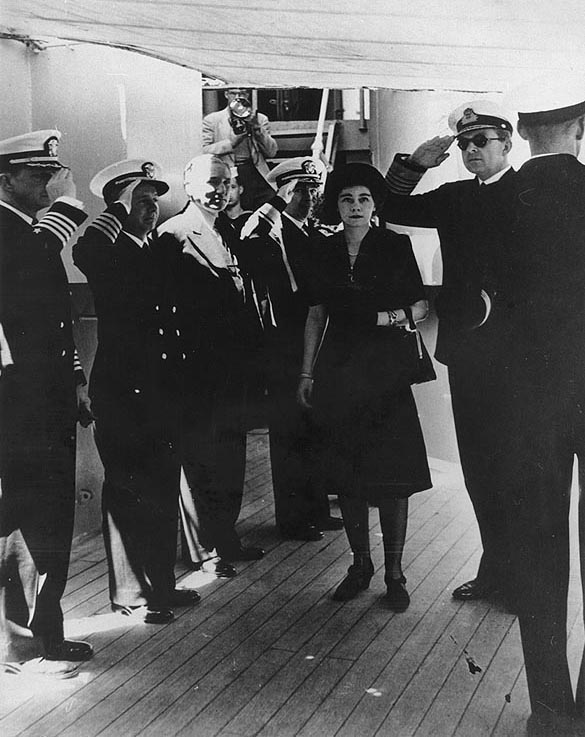

Early life and marriage
Frederica was born into German royalty and raised in the traditions of European princely families. In 1938 she married Prince Paul of Greece, a union arranged in the context of interlinked royal houses across Europe. The marriage produced three children: Princess Sophia, Prince Constantine, and Princess Irene. Through her daughter Sophia she later became mother-in-law to Juan Carlos, who would become King of Spain.
Role as queen and public activities
As queen consort Frederica took an active interest in social welfare, education and religious institutions. She supported hospitals, child welfare programmes and cultural initiatives, using the royal household to promote charitable causes. Her public appearances and tours across Greece aimed to present the monarchy as a source of national unity during a period of recovery after World War II and civil conflict.
Children
- Princess Sophia — later Queen of Spain by marriage.
- King Constantine II — succeeded his father as King of Greece in 1964.
- Princess Irene — known for a low public profile and private interests.
Controversy and later life
Frederica's outspoken conservatism and insistence on a strong public role made her a figure of controversy. Critics accused her of meddling in politics and of sympathies that many found divisive in a fragile political climate. Supporters praised her dedication to social projects and her efforts on behalf of the monarchy. After King Paul's death in 1964 she remained an influential royal mother; the political upheavals in Greece during the 1960s and 1970s brought renewed scrutiny of the royal family. Frederica died in 1981, leaving a mixed legacy of philanthropy and political debate.
Today historians and commentators consider her an important, if contested, personality in modern Greek history: a queen who shaped public life through charity and ceremony, while also embodying the tensions between monarchy and the changing political currents of her era.
Related articles
Author
AlegsaOnline.com Frederica of Hanover, Queen Consort of Greece (1917–1981) Leandro Alegsa
URL: https://en.alegsaonline.com/art/119216
Sources
- archive.org : 290, 300