
Frankie Manning: Pioneer and Ambassador of the Lindy Hop
Frankie Manning (1914–2009) was an American dancer, choreographer and teacher who helped create and popularize the Lindy Hop. He later revived and promoted the dance worldwide and won a 1989 Tony Award.
Frankie Manning was an influential American dancer, choreographer and instructor best known for his central role in the development and popularization of the Lindy Hop. The Lindy Hop is a social swing dance that emerged in African American communities as an energetic, improvisational American partner dance in the early 20th century. Manning became synonymous with the Savoy Ballroom scene in Harlem, in New York City, where the dance was refined and showcased to wide audiences.
Image gallery
1 Image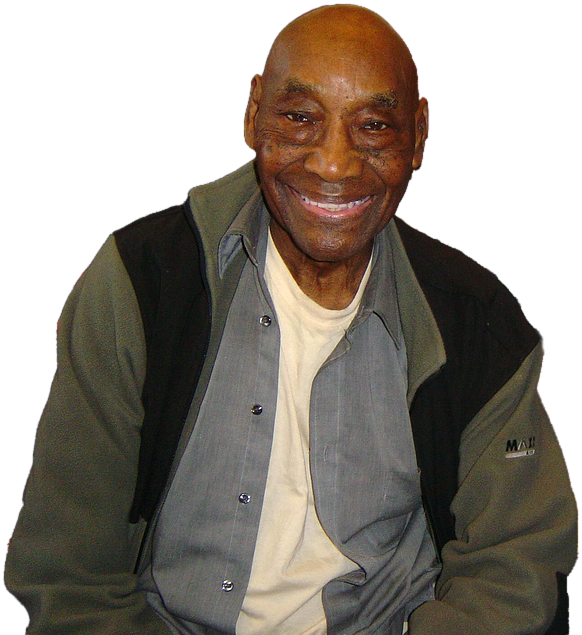
Career and achievements
Manning rose to prominence as a member and choreographer of high-profile performance groups such as Whitey's Lindy Hoppers, producing stage routines that blended social dancing with theatrical showmanship. He helped introduce and codify many signature moves, including partnered aerial steps — sometimes called "air steps" — that added acrobatic flair to the dance. In 1989, at age 75, he received a Tony Award for co-choreographing the musical Black and Blue on Broadway, a recognition that brought renewed mainstream attention to swing-era choreography.
Background and revival
Born in Jacksonville, Florida, in 1914, Manning moved to New York as a young man and developed his craft at community dance halls and competitions. After several decades in and out of show business, he played a key role in the Lindy Hop revival that began in the late 20th century by teaching, touring internationally and mentoring a new generation of dancers. His later life was devoted to preserving the social and historical context of the dance and to instructing students around the world; he continued to teach into his later years and was widely called an ambassador of the form.
Style, influence and legacy
Manning's choreography emphasized rhythm, clarity of lead-and-follow, musicality and joyful performance. His work bridged street-originated social dance and theatrical presentation; this dual legacy helped sustain Lindy Hop through changing musical and cultural fashions. He documented his life and approach in an autobiography titled Frankie Manning: Ambassador of Lindy Hop, which has been used by historians and teachers as a primary source for the dance's history and technique.
Notable facts
- He is associated with the Savoy Ballroom era in Harlem and with performance troupes that toured the United States and internationally.
- His later recognition included awards and prominent placements that introduced Lindy Hop to theatre audiences and contemporary dancers alike.
- Manning died in 2009 in Manhattan, leaving a durable influence on social dance communities worldwide.
For readers seeking more detail, biographies, instructional compilations and archival footage document Manning's steps, teaching methods and the cultural milieu that produced the Lindy Hop. His life exemplifies how a social dance created in urban community spaces became a global cultural touchstone.
Related articles
Author
AlegsaOnline.com Frankie Manning: Pioneer and Ambassador of the Lindy Hop Leandro Alegsa
URL: https://en.alegsaonline.com/art/119109
Sources
- nydailynews.com : "Frankie Manning Dies at Age 94"