
Felix Yusupov: Russian aristocrat and participant in Rasputin's assassination
Prince Felix Yusupov (1887–1967) was a wealthy Russian nobleman best known for his role in the 1916 killing of Grigori Rasputin, his later exile in Paris, and his published memoirs about imperial Russia.
Prince Felix Felixovich Yusupov, Count Sumarokov-Elston, was a prominent member of the late Russian aristocracy whose name is most often associated with the killing of Grigori Rasputin. Born into immense wealth in Saint Petersburg in 1887, he belonged to one of the richest families of the pre-revolutionary Russian Empire. His social status and personal connections placed him close to the imperial court and the circles that surrounded the Tsar Nicholas II and his wife.
Image gallery
10 Images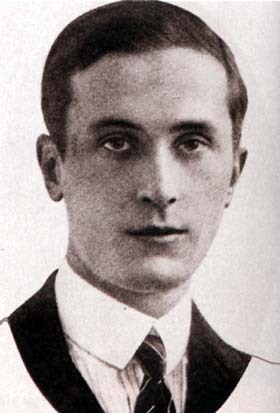




Early life and social position
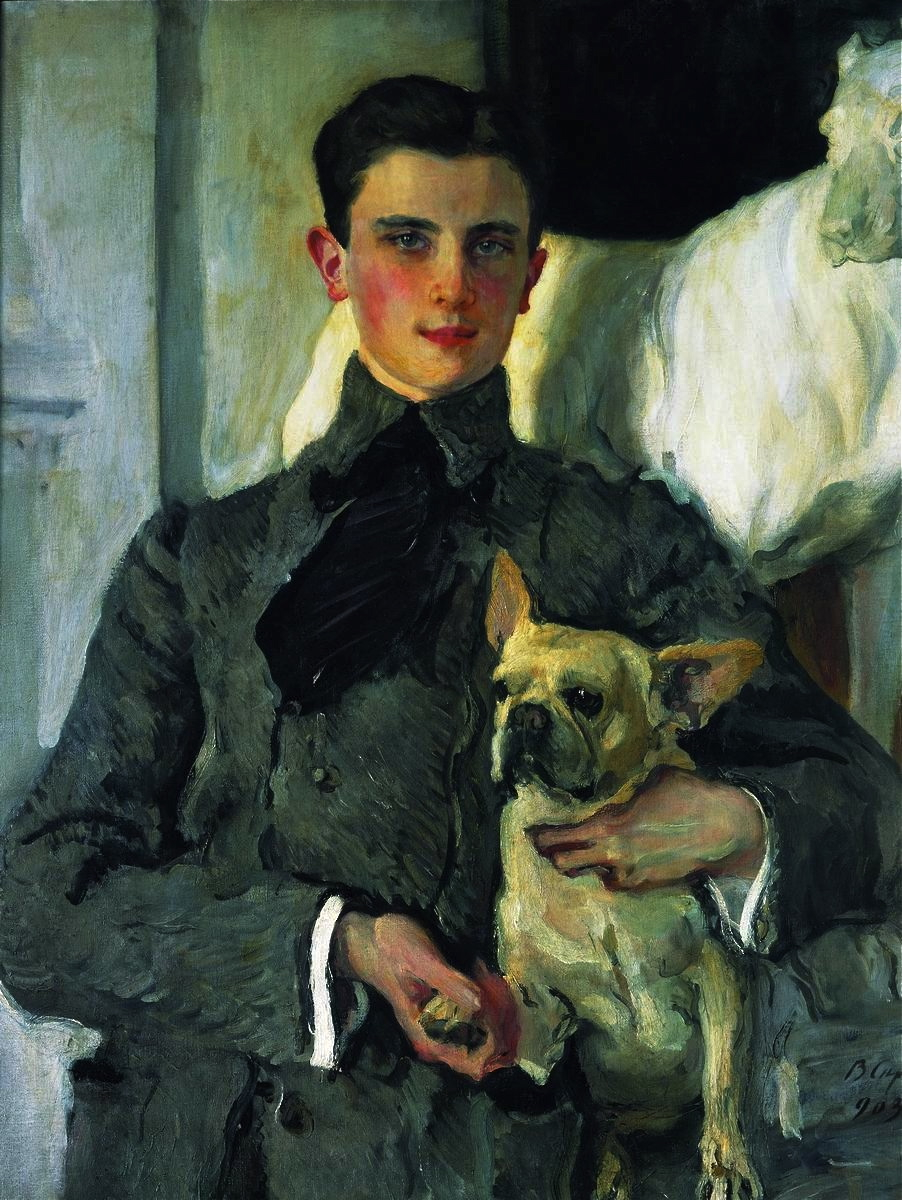
Yusupov inherited enormous estates and a title that gave him a leading role in court society. He was noted for his taste in fashion, collecting, and a cultivated lifestyle that combined the privileges of high rank with modern European sensibilities. His marriage to a member of the imperial family strengthened his public profile. Contemporary accounts describe him as urbane and theatrical, traits that later shaped both his public persona and the memoirs he published in exile.
Role in Rasputin's murder
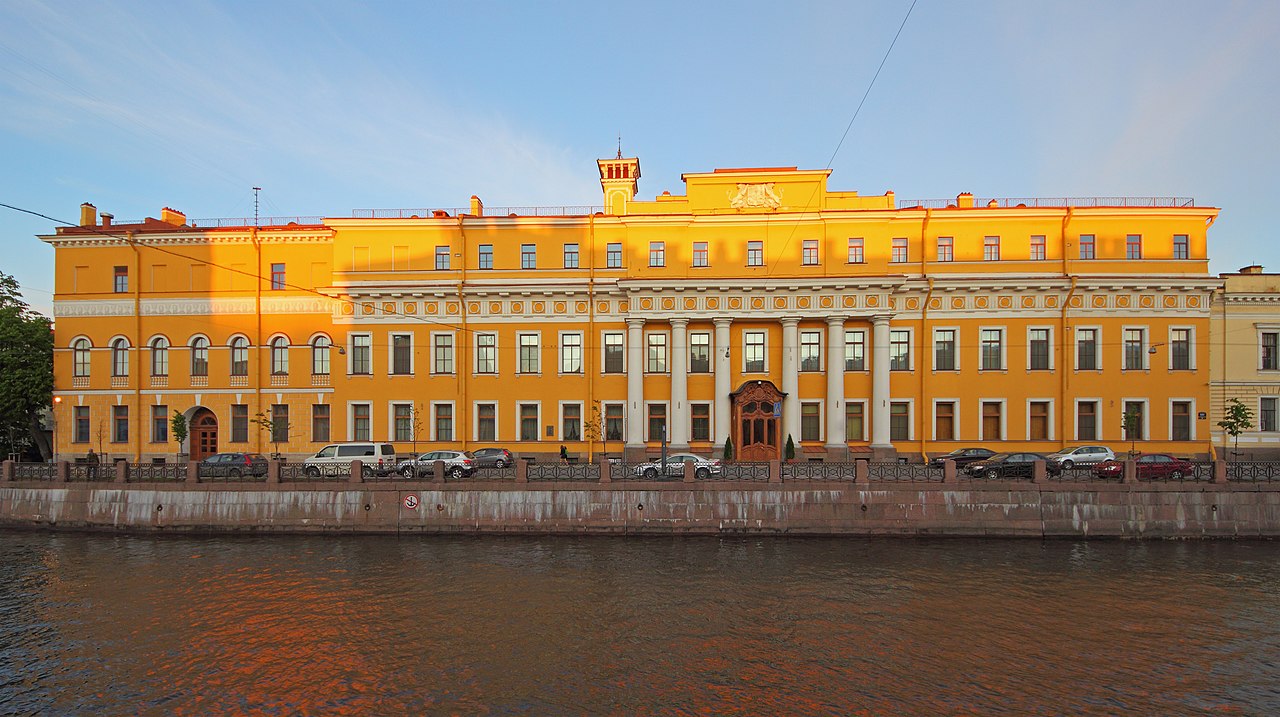
In late 1916 a small group of nobles and officials, alarmed by Rasputin's perceived influence over the imperial couple and the direction of government affairs, plotted to remove him. Yusupov played a central part in the conspiracy: he invited Rasputin to his residence and was directly involved in the events that led to Rasputin's death. Accounts of the killing differ, and Yusupov's own memoirs provided a dramatic version that influenced how the episode has been remembered. After a brief inquiry the conspirators were not severely punished, in part because the wartime authorities were reluctant to inflame a politically charged matter.
Exile, writings and legacy
The revolution of 1917 ended the Yusupov fortunes in Russia. Like many aristocrats of the old regime he emigrated and settled in Western Europe, living much of his later life in Paris and elsewhere in France. He published memoirs and reminiscences that recounted court life, his account of Rasputin, and the collapse of imperial Russia. Those books, together with interviews and legal defenses, shaped public perception of both Rasputin and the late Romanov court for decades.
Notable facts and portrayals
- Yusupov retained his title in exile and remained an identifiable figure in émigré society.
- His narrative of the Rasputin affair has been influential but not uncontroversial; historians debate details of what happened and the motives of the conspirators.
- He has been depicted in numerous works of film, theater and popular histories about the end of the Romanovs and Rasputin's life.
For more contextual details about his name and Russian-language sources see his Russian name form and contemporary references: Russian name and spelling. Further reading on the places central to his life is available on entries concerning Saint Petersburg, the Russian Empire, Paris and France, or the historical figures surrounding the imperial court such as Grigori Rasputin and Nicholas II.
Related articles
Author
AlegsaOnline.com Felix Yusupov: Russian aristocrat and participant in Rasputin's assassination Leandro Alegsa
URL: https://en.alegsaonline.com/art/118895