
Grigori Rasputin
Russian peasant and controversial mystic (1869–1916) who gained influence at the imperial court as a faith healer and adviser to Tsar Nicholas II and Tsarina Alexandra.
Grigori Rasputin (Russian: Григо́рий Ефи́мович Распу́тин; 1869–1916, Old Style dates sometimes given via O.S.) was a Russian peasant who became a widely known mystic and controversial presence at the court of the last imperial family. Often described as a peasant and a mystical faith healer, Rasputin did not belong to a monastic order and was not a conventional monk living in a monastery, but travelled as a religious pilgrim and developed a reputation as a charismatic spiritual adviser.
Image gallery
10 Images
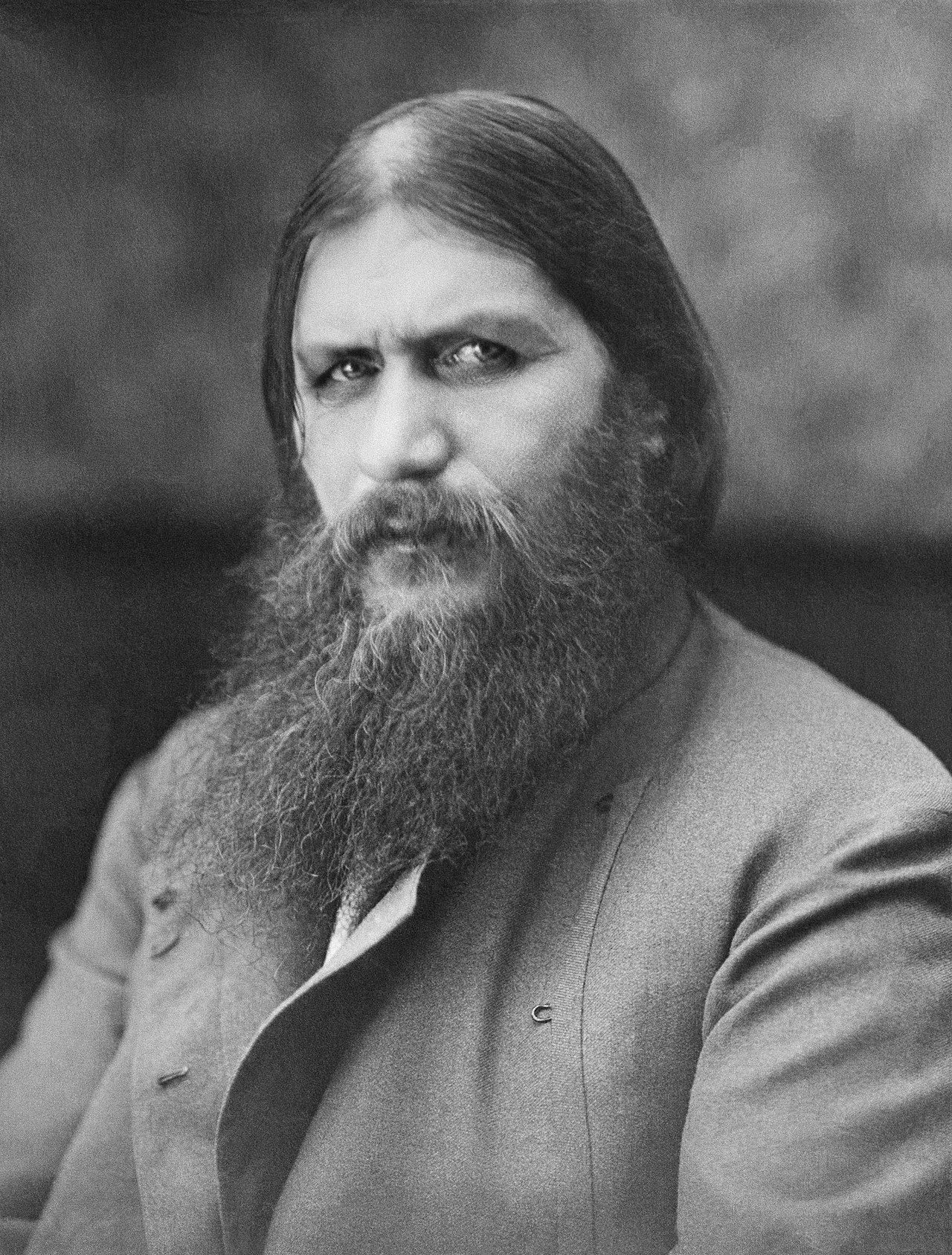


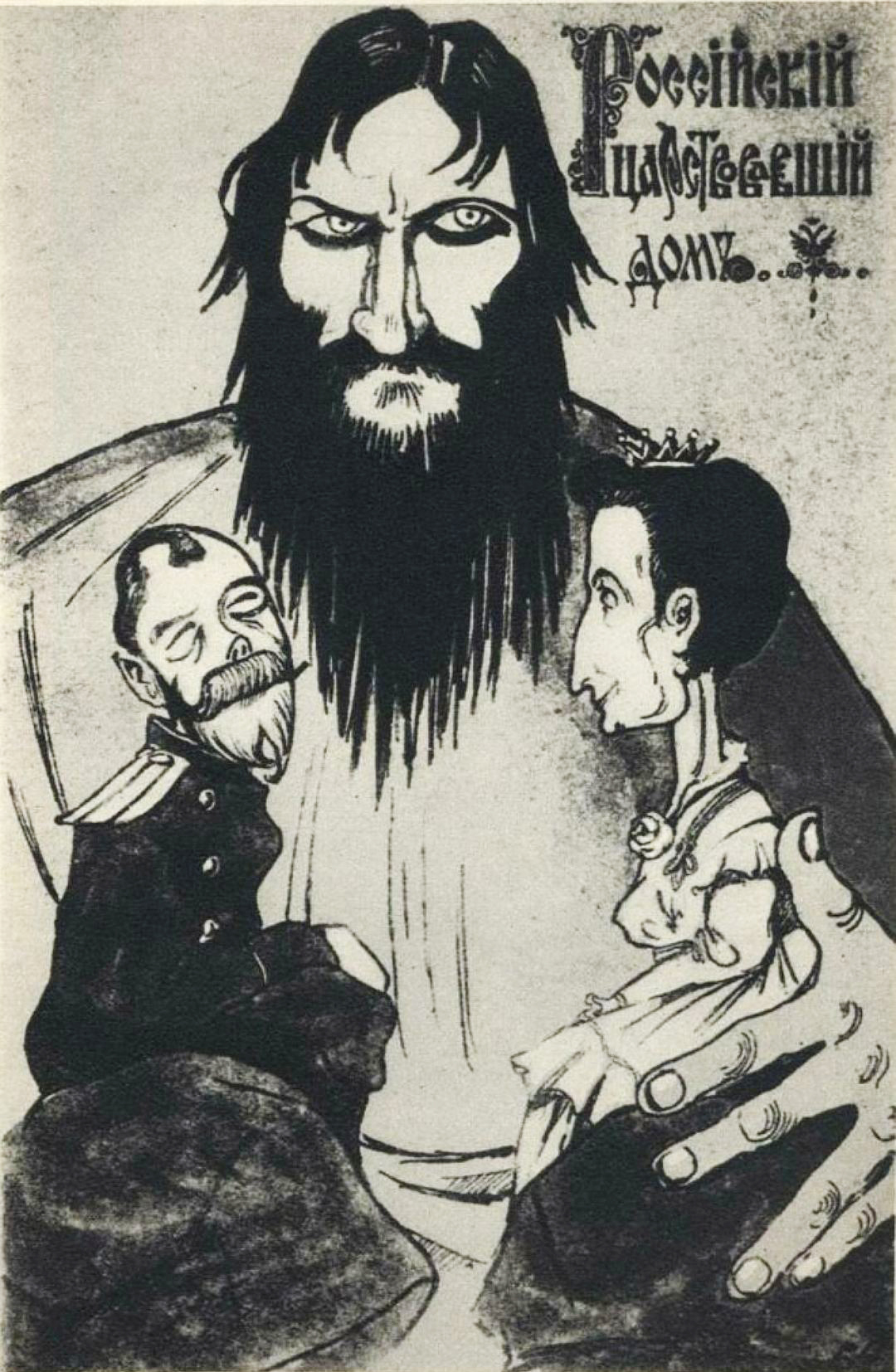
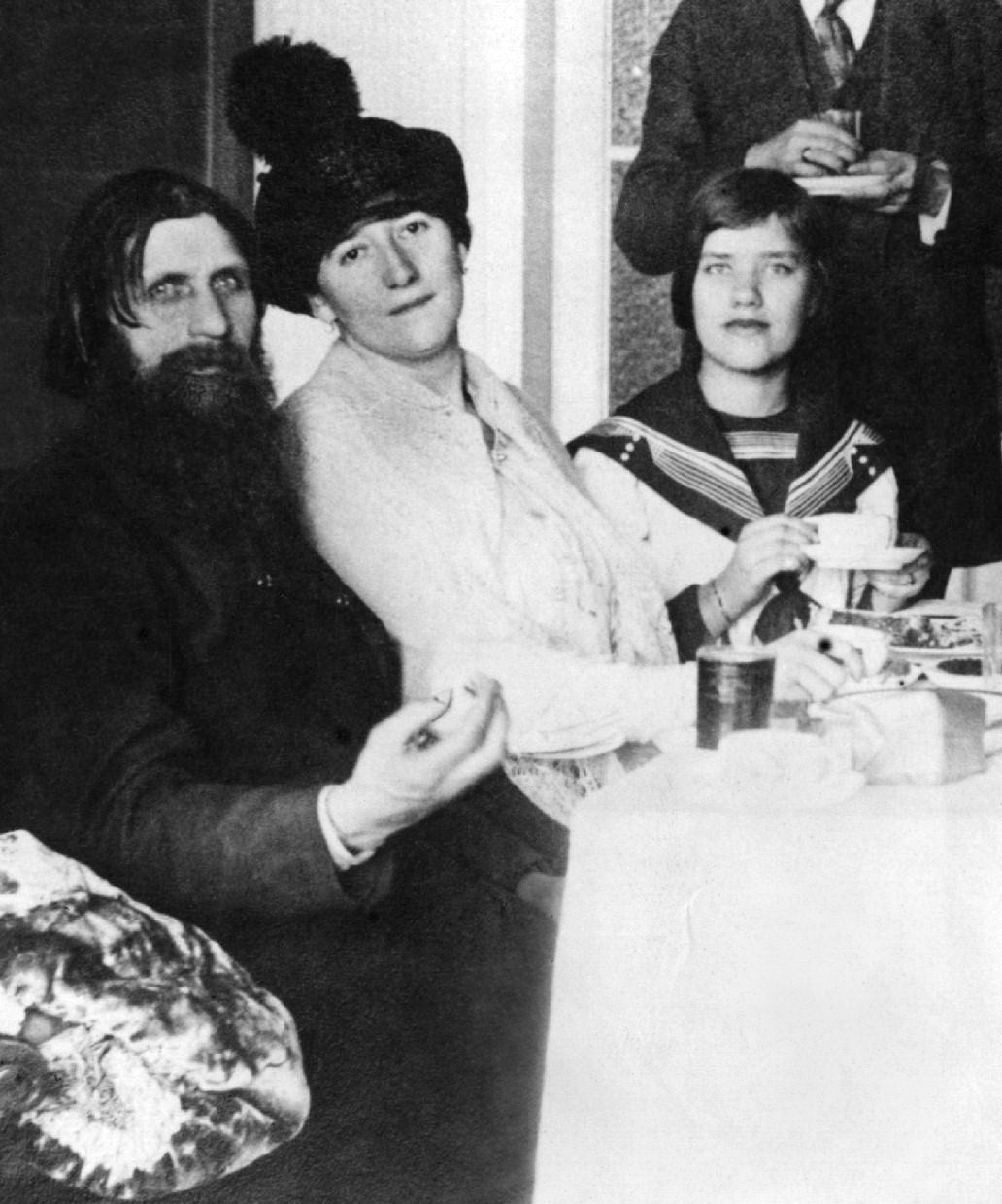

Early life and background
Rasputin was born into a peasant family in Siberia and spent his youth working on the land. In young adulthood he undertook religious pilgrimages and associated with groups of mystically inclined believers. His manner—part confessor, part storyteller—and claims of spiritual gifts won him followers among both rural populations and city-dwellers who sought healing or counsel.
Arrival in St. Petersburg and court access
He arrived in St. Petersburg in the early 20th century and gradually attracted attention from clergy, nobility and members of high society. His entry into the imperial circle came through Tsarina Alexandra, who believed that Rasputin could help alleviate the suffering of her son Alexei, who had hemophilia. Alexandra came to regard Rasputin as a spiritual guide and confidant, giving him informal access to the royal family and enabling him to exercise moral influence over some household matters.
Controversy and perceived influence
Rasputin's presence at court prompted intense controversy. Critics accused him of encouraging superstition, of licentious behaviour and of exploiting the imperial family's trust. Some contemporaries and later writers asserted that he influenced appointments and political decisions, especially during World War I when the Tsar was at the front and the Tsarina took a more active role in governance. Historians continue to debate the scale and nature of his political influence, distinguishing between documented actions and sensational claims.
Assassination and death
In late 1916 a group of nobles and politicians conspired to remove Rasputin. The conspirators included several well-known aristocrats and officers who feared his presence was damaging the monarchy. Contemporary accounts and later retellings describe poisoning, shooting and his body being recovered from a river; investigators concluded drowning was a significant factor in his death. Details of the killing and the motives of those involved have been the subject of much investigation and myth-making.
Legacy and cultural impact
Rasputin's life and violent death have inspired many biographies, novels, films and musical works. He became a potent symbol of the perceived decadence and dysfunction of the late Romanov court and a convenient focal point for criticism of the regime. Modern scholarship attempts to separate gossip and caricature from archival evidence, reassessing both his religious practices and the real limits of his power.
Notable points
- Rasputin never formally joined a monastic order; he identified as a wandering pilgrim and holy man.
- His association with the imperial family coincided with World War I and rising domestic unrest, which intensified public scrutiny.
- Contemporary press stories and later popular accounts often exaggerated elements of his life; historians rely increasingly on primary archives to reassess claims.
For further context consult biographical studies and modern historical works that distinguish documented facts from rumor. The story of Rasputin remains a complex mix of documented events and enduring legend.
Russian spelling • Old Style dates • peasant • mystical • monk • monastery • pilgrim
Questions and answers
Q: Who was Grigori Yefimovich Rasputin?
A: Grigori Yefimovich Rasputin was a Russian peasant and mystical faith healer.
Q: Where did he live?
A: He did not live in a monastery, but instead lived as a religious pilgrim.
Q: When did he arrive in St Petersburg?
A: He arrived in the capital St Petersburg in 1904.
Q: What type of relationship did he have with the Tsar and Tsarina?
A: The Tsar and Tsarina talked many times with Rasputin and asked for advice, making him their spiritual guide.
Q: How old was Rasputin when he died?
A: Rasputin died at the age of 47 on 30 December 1916 (O.S 17 December).
Q: When was Rasputin born?
A: He was born on 22 January 1869 (O.S 9 January).
Related articles
Author
AlegsaOnline.com Grigori Rasputin Leandro Alegsa
URL: https://en.alegsaonline.com/art/120081
Sources
- openlibrary.org : My mission to Russia and other diplomatic memories
- books.google.com : Out of My Past: Memoirs of Count Kokovtsov
- gallica.bnf.fr : "Comment j'ai tué Raspoutine"
- doc20vek.ru : doc20vek.ru
- alexanderpalace.org : alexanderpalace.org/russiancourt/I.html