
Ferdinand Marcos: Philippine leader, martial law, and contested legacy
Ferdinand E. Marcos (1917–1989) was President of the Philippines (1965–1986) and later Prime Minister. His rule combined infrastructure programs and authoritarian control, ending with the 1986 People Power uprising.
Ferdinand Emmanuel Edralin Marcos (1917–1989) was a Filipino lawyer and politician who served as President of the Philippines from 1965 until 1986 and as Prime Minister from 1978 to 1981. Elected in the 1960s, he remained a dominant figure in Philippine public life for more than two decades. Marcos is widely regarded as a polarizing leader: praised by some for modernization efforts and condemned by others for authoritarian practices and alleged corruption. His family later returned to politics; his son, Ferdinand "Bongbong" Marcos Jr., was elected president in 2022.
Image gallery
10 Images




Political style and major policies
Marcos combined populist rhetoric, centralized authority, and development-oriented projects. His administration promoted ambitious infrastructure works, industrial plans, and programs intended to stimulate economic growth. At the same time, Marcos relied on a strong executive branch, patronage networks, and close relationships with military and business figures.
- Infrastructure and economic initiatives: road, power and public works projects often highlighted as achievements.
- Authoritarian consolidation: expansion of executive power that limited checks from other branches of government.
- Political patronage and cronyism: critics cite favoritism and the concentration of economic benefits among allies.
- Public image and patronage: prominent public ceremonies and the influence of his wife, Imelda Marcos, on culture and institutions.
Martial law and the suppression of dissent
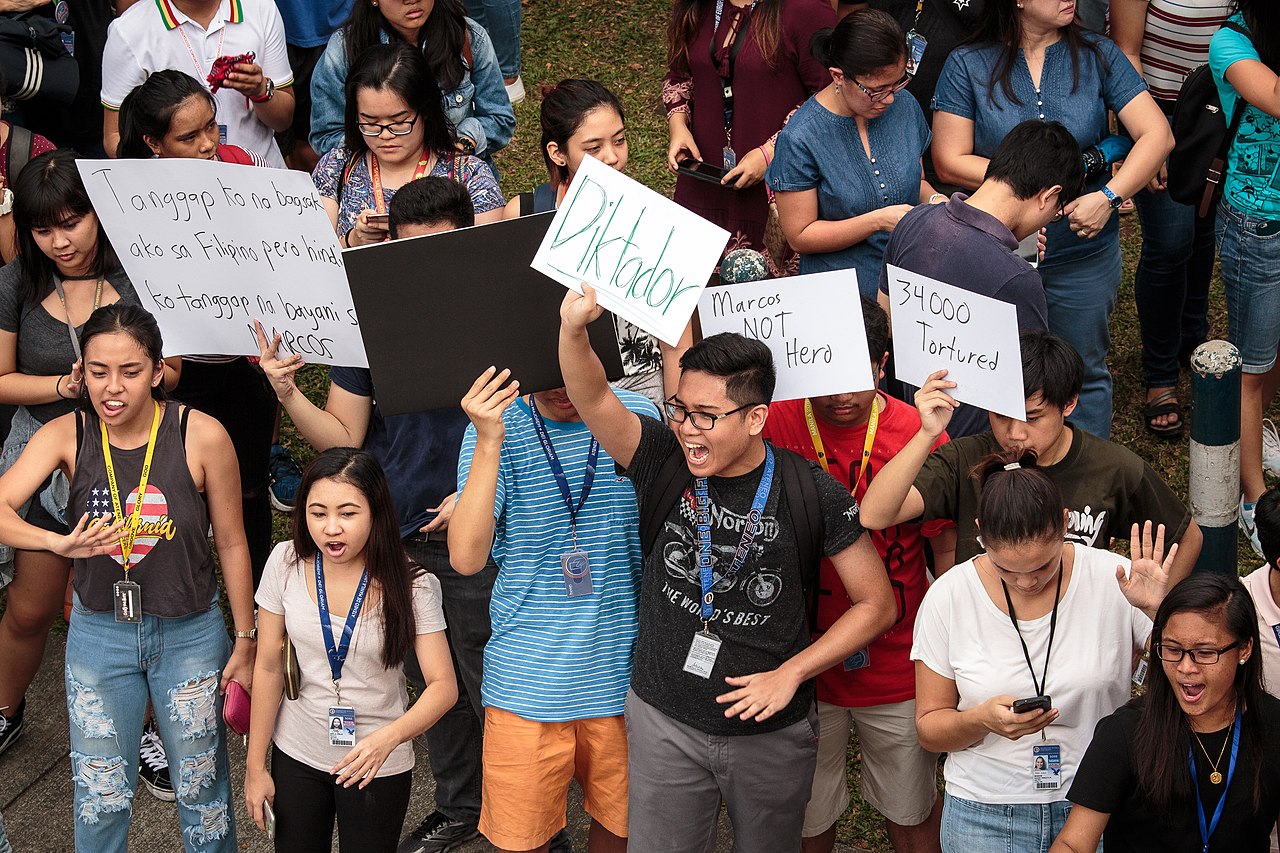
In 1972 Marcos declared martial law, citing threats of unrest and communist insurgency. Under martial law, civil liberties were curtailed, the legislature was bypassed, and press freedoms were restricted. Human rights organizations and domestic critics reported arrests of opposition figures, suppression of dissent, and cases of enforced disappearances and killings. The period profoundly altered political life in the Philippines and remains a central element of assessments of Marcos's rule.
Ouster, exile and later developments
Widespread public discontent and a disputed national election in 1986 triggered mass demonstrations known as the People Power movement, which culminated in Marcos leaving the country and going into exile in Hawaii. He died there in 1989. After his departure, Philippine institutions pursued legal claims and investigations regarding human rights abuses and the alleged accumulation of state assets by Marcos and associates. Many legal and financial cases continued for years and influenced debates about accountability and restitution.
Legacy and contested memory
Marcos's legacy remains contested. Supporters emphasize infrastructure and stability from his long tenure; opponents emphasize authoritarian rule, human rights violations, and accusations of large-scale corruption. Historical assessments vary by political perspective, generational memory, and scholarly debate. For more detailed summaries and archival materials, see additional resources.
Notable facts: Marcos was a dominant 20th-century Philippine leader whose policies and methods reshaped the country's political institutions. The consequences of his governance—both institutional and social—continue to influence Philippine politics and public discourse.
Questions and answers
Q: Who was Ferdinand Marcos?
A: Ferdinand Marcos was a Filipino politician and lawyer who served as President of the Philippines from 1965 to 1986 and Prime Minister of the Republic of the Philippines from 1978 to 1981.
Q: When was Ferdinand Marcos born?
A: Ferdinand Marcos was born on September 11, 1917.
Q: When did he become President of the Philippines?
A: Ferdinand Marcos became President of the Philippines in 1965.
Q: How long did he serve as President?
A: He served as President for 21 years until 1986.
Q: What other position did he hold during his presidency?
A: During his presidency, Ferdinand Marcos also held the position of Prime Minister from 1978 to 1981.
Q: Who is his son?
A: His son is Bongbong Marcos, who has been President of the Philippines since 2022.
Q: What is his historical legacy?
A:Ferdinand Marcos' historical legacy is polarizing both in the Philippines and around the world.
Related articles
Author
AlegsaOnline.com Ferdinand Marcos: Philippine leader, martial law, and contested legacy Leandro Alegsa
URL: https://en.alegsaonline.com/art/118904
Sources
- britannica.com : Biography of Ferdinand E. Marcos
- news.bbc.co.uk : Philippines cult idolises Marcos