
Black Beauty (novel)
An 1877 novel by Anna Sewell told from a horse's viewpoint; influential in animal-welfare thought and widely adapted across stage, film, and television.
Black Beauty is a novel written by Anna Sewell and first published in 1877. Presented as the life story of a horse named Black Beauty, the book is narrated in the first person from the animal's point of view. Though often placed in the children’s literature canon today, Sewell intended the work to appeal to adults and to persuade readers to treat horses with kindness and respect. The voice of the narrator gives an intimate view of daily life, labor, and suffering through encounters with different owners and environments.
Image gallery
3 Images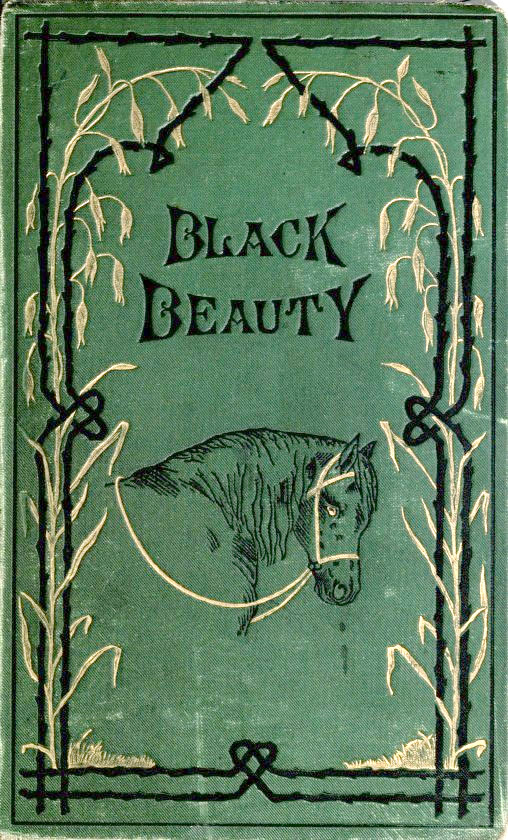


Structure and themes
The novel follows a loosely episodic structure: Black Beauty relates his experiences from early youth through maturity, recalling owners, work, friendships, illnesses, and injuries. Central themes include compassion for animals, humane handling and equipment, social responsibility, and the moral consequences of cruelty. The book criticizes common practices of the period—such as the use of the bearing rein—and presents vivid, empathetic scenes that invite readers to identify with the horse’s perspective.
Historical context and publication
Sewell composed the novel near the end of her life, drawing on contemporary knowledge of horse care and the prevalent role of horses in Victorian transport and industry. Published in 1877, it arrived at a time when urbanization and increased public concern for animal suffering were beginning to shape reform efforts. While Sewell did not claim to offer a systematic treatise, the emotional power of the narrative helped raise awareness about everyday cruelty and practical measures to improve animal welfare.
Adaptations and cultural impact
Black Beauty has been adapted many times for stage, screen, and television; these retellings range from faithful period dramas to modernized versions that place the horse in contemporary settings. The story’s influence extends beyond entertainment: historians credit the novel with contributing to changing public attitudes toward the treatment of horses and inspiring debates about humane equipment and practices. Examples of the novel’s reach include educational uses, theatrical productions, and multiple film versions that introduce new generations to Sewell’s message.
Notable facts and distinctions
- The protagonist is a horse named Black Beauty; the animal narrator technique helps readers imagine nonhuman experience.
- Although commonly read by children, the book’s appeal and arguments were aimed at a broad audience concerned with social reform.
- There are reports that the title led to misunderstandings and even localized censorship, as in accounts that mention a ban in South Africa during the Apartheid era; such claims are cited cautiously in secondary sources.
- Readers seeking more information about the author or about horses in literature can consult resources on equine care and history and biographical material on Anna Sewell.
Legacy
More than a century after its publication, Black Beauty remains notable for its emotional directness and ethical purpose. It persists in school reading lists and popular culture because it combines storytelling with a persuasive plea for compassion. For contemporary readers, it offers historical insight into Victorian life and a timeless appeal to empathy that continues to shape conversations about humane treatment of animals. Further context and research can be found through general resources on the author and on the historical conditions referenced in the narrative (South Africa, Apartheid-era accounts).
Related articles
Author
AlegsaOnline.com Black Beauty (novel) Leandro Alegsa
URL: https://en.alegsaonline.com/art/11889