
Black Lives Matter
A decentralized international activist movement opposing systemic racism and police violence affecting Black people, known for the #BlackLivesMatter slogan and large-scale protests since 2013.
Black Lives Matter (BLM) is a decentralized international activist movement that focuses on combating systemic racism, racial injustice, and violence experienced by Black people. It began as a social media hashtag and evolved into a network of organizers, campaigns, and local chapters that use protest, advocacy, and community organizing to press for change.
Image gallery
10 Images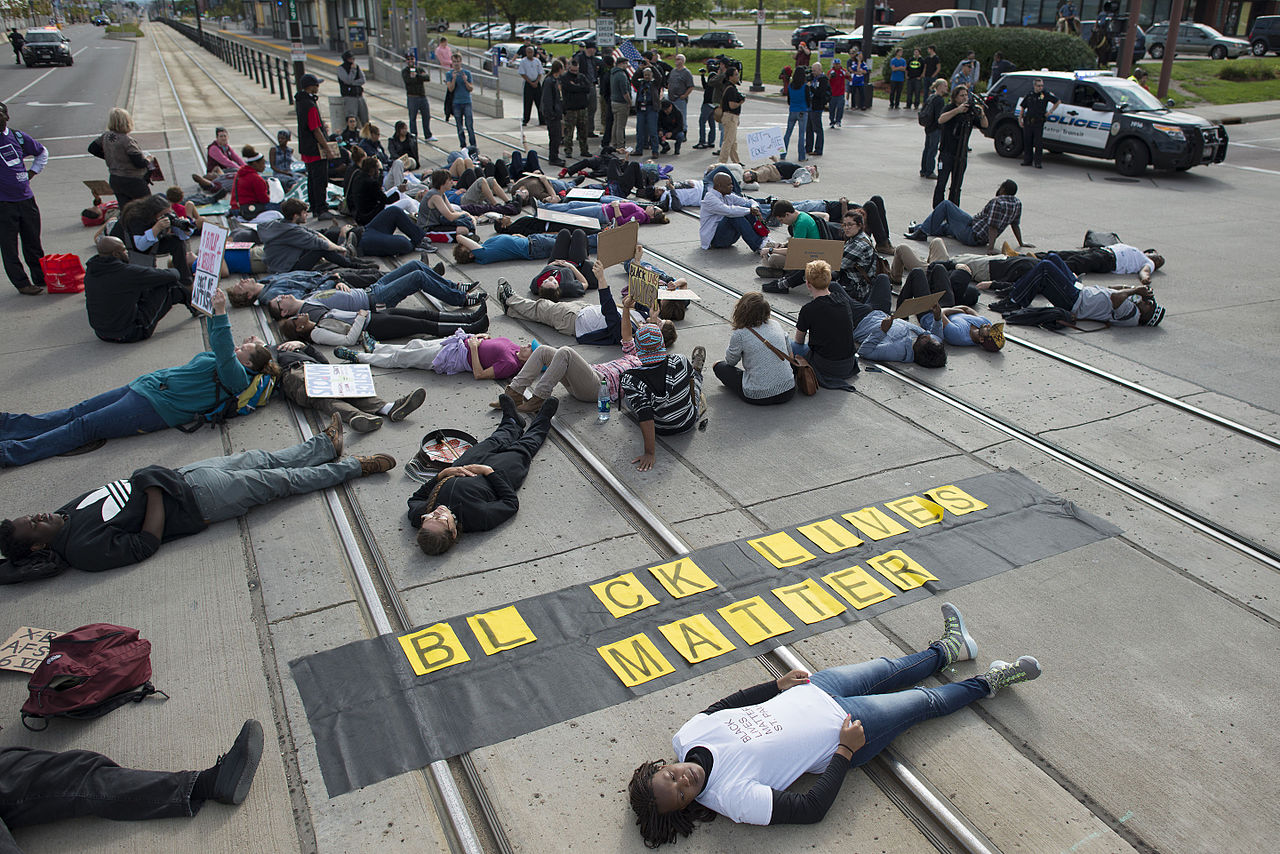


Characteristics and organization
BLM is not a single hierarchical organization; it comprises groups, chapters, and affiliated organizations with varying structures and priorities. Common features include grassroots organizing, reliance on digital platforms and the hashtag #BlackLivesMatter, and advocacy for legal, policy, and cultural reforms. Many chapters publish their own goals and guiding documents; see examples in their public principles.
History and development
The phrase "Black Lives Matter" first gained attention in 2013 after the acquittal in a high-profile shooting case and was coined by organizers who sought a sustained movement against racial violence. Founders widely associated with the movement include Alicia Garza, Patrisse Cullors, and Opal Tometi. The slogan and movement grew through protests, community events, and advocacy work, with notable surges of activity following several high-profile incidents of police killings and in 2020 when large, global demonstrations drew renewed attention.
Activities, goals, and examples
BLM participants pursue a range of activities from street demonstrations to legislative advocacy. Common goals include police accountability, criminal justice reform, investment in Black communities, and measures to reduce racial disparities in housing, employment, and health.
- Direct action: marches, rallies, and public demonstrations.
- Policy advocacy: proposing reforms to policing and criminal justice.
- Community programs: mutual aid, education, and voter outreach.
For overviews of campaigns and local initiatives, readers may consult documented timelines and resources linked by organizers at movement histories.
Debates, influence, and notable distinctions
BLM has had a substantial cultural and political impact, shaping conversations about race, policing, and public policy. The movement has inspired international activism and prompted institutional reviews of policing and equity practices. It has also been subject to debate and criticism concerning tactics, funding, and specific policy proposals; these discussions are part of broader public deliberations about reform and safety. Independent analyses, including critical perspectives and endorsements, are available through various civic and media sources covering the issues and through official statements from affiliated groups posted by organizers.
Questions and answers
Q: What is Black Lives Matter?
A: Black Lives Matter is an international activist group that originated in the African-American community.
Q: What are the goals of BLM?
A: The goals of BLM are to fight against violence and systemic racism by white police officers towards black people.
Q: Where did BLM originate from?
A: BLM originated from the African-American community.
Q: Who started Black Lives Matter?
A: It is not known who started Black Lives Matter, however it has become a global movement since its inception in 2013.
Q: How long has BLM been active for?
A: BLM has been active since 2013.
Q: What type of activism does BLM engage in?
A: BLM engages in peaceful protests and demonstrations to raise awareness about racial injustice and inequality.
Related articles
Author
AlegsaOnline.com Black Lives Matter Leandro Alegsa
URL: https://en.alegsaonline.com/art/11932
Sources
- cnn.com : "Black Lives Matter Movement"
- cbsnews.com : "Black Lives Matter Movement Changes America"