
John Logie Baird — Pioneer of Television
Scottish engineer and inventor who demonstrated early working television systems and advanced experiments in colour and electronic display during the 1920s–1940s.
John Logie Baird (1888–1946) was a Scottish engineer and inventor whose experiments in the 1920s proved the practical possibility of television. He is widely credited with the first public demonstrations of moving televised images and carried out pioneering work on colour and electronic display technologies that influenced early broadcasting development.
Image gallery
10 Images

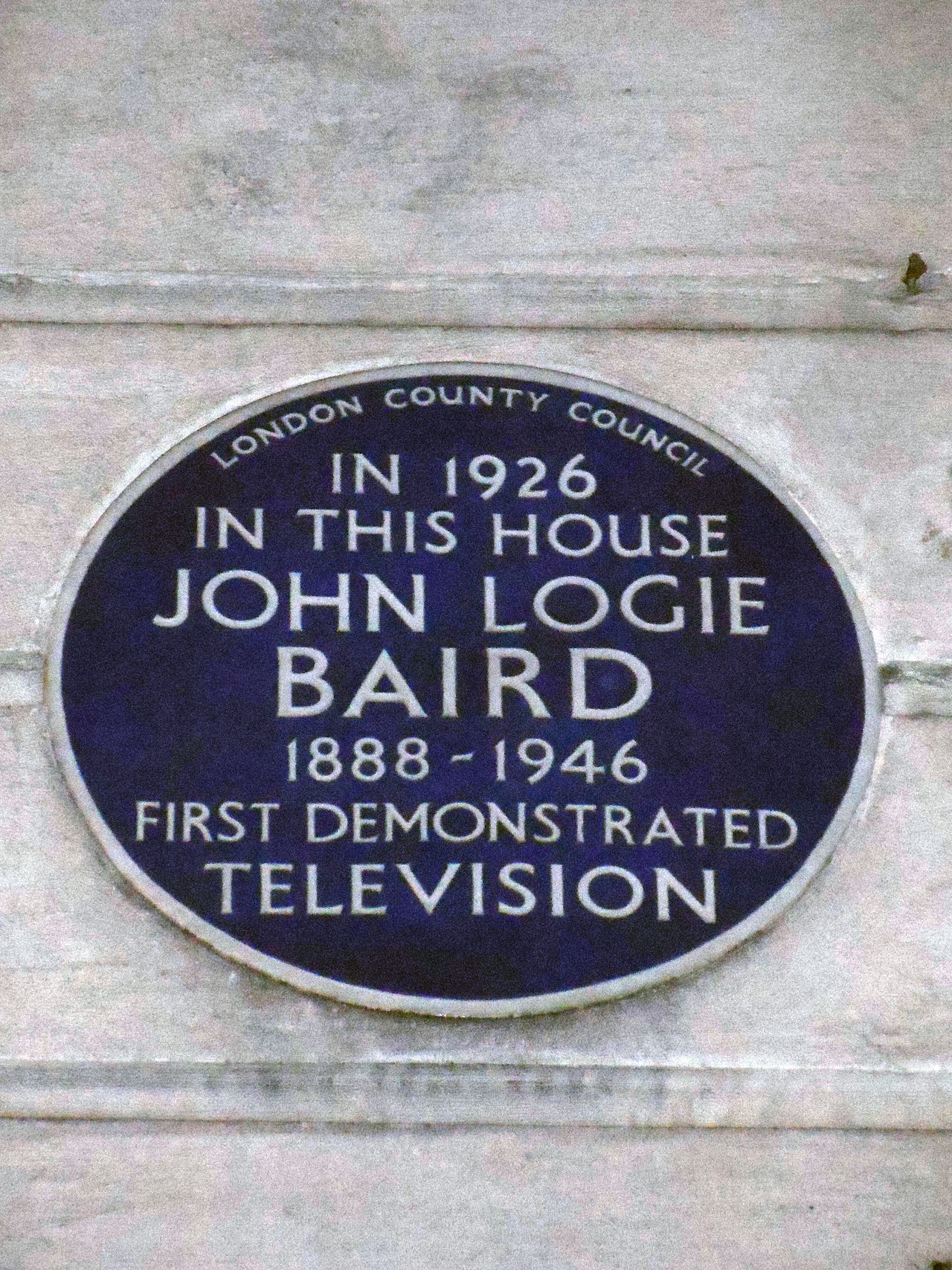


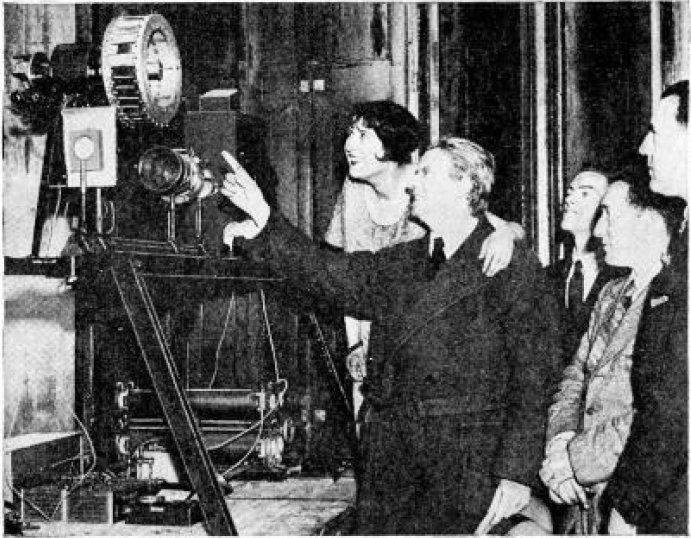


Technical approach and inventions
Baird's earliest systems were electromechanical. He used a spinning perforated disk (based on the Nipkow principle) to scan a scene line by line, photoelectric elements to convert light variations into electrical signals, and a synchronized disk with a light source to reconstruct the image at the receiver. This "televisor" showed that images could be transmitted electrically long before high-definition electronic systems existed. In subsequent years he explored intermediate-film techniques, cathode-ray devices and prototypes for colour television tubes.
Key milestones and developments
- Mid-1920s: laboratory demonstrations of moving silhouettes and human faces made the case for practical television.
- Late 1920s: public demonstrations and early experimental transmissions attracted engineers, broadcasters and the press.
- Early 1930s: Baird's technology was used in pioneering broadcasts; however, higher-resolution electronic systems eventually became the industry standard.
- Later work: investigations into all-electronic displays and colour transmission informed later developments in the field.
Although electromechanical approaches were superseded by all-electronic designs in the 1930s, Baird's achievements accelerated technical and public interest in television and provided practical demonstrations that convinced broadcasters, investors and governments of the medium's potential.
For additional reading and archival materials see biographical sources, engineering analyses at technical archives, historical overviews at broadcast histories, museum collections linked from exhibitions, and patent or contemporary reviews for further context.
Questions and answers
Q: When was John Logie Baird born?
A: John Logie Baird was born on 13 August 1888.
Q: What was John Logie Baird's profession?
A: John Logie Baird was a Scottish engineer and inventor.
Q: What did John Logie Baird invent?
A: John Logie Baird invented the world's first working television system and the world's first fully electronic colour television tube.
Q: What is John Logie Baird best known for?
A: John Logie Baird is best known for inventing the world's first working television system.
Q: When did John Logie Baird die?
A: John Logie Baird died on 14 June 1946.
Q: What country was John Logie Baird from?
A: John Logie Baird was from Scotland.
Q: What was the significance of John Logie Baird's inventions?
A: John Logie Baird's inventions revolutionized the field of communication and entertainment, paving the way for modern television technology.
Related articles
Author
AlegsaOnline.com John Logie Baird — Pioneer of Television Leandro Alegsa
URL: https://en.alegsaonline.com/art/122552
Sources
- oxforddnb.com : oxforddnb.com/view/article/30540.html
- nls.uk : ""John Logie Baird was voted the second most popular Scottish scientist""
- scotlandontv.tv : Interview with Paul Lyons