
Fábio Barreto: Brazilian filmmaker, actor, screenwriter and producer
Biography of Fábio Barreto (1957–2019), a Brazilian director and screenwriter best known for the biopic Lula, o Filho do Brasil; overview of his career, accident and legacy.
Overview
Fábio Villela Barreto Borges (June 6, 1957 – November 20, 2019) was a Brazilian filmmaker who worked as a director, actor, screenwriter and producer. He gained national recognition for directing and co-writing the 2009 feature film Lula, o Filho do Brasil, a cinematic portrayal of the early life of Luiz Inácio Lula da Silva that attracted attention because of its subject's prominence in Brazilian politics (see film).
Image gallery
1 Image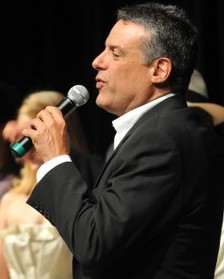
Career and notable works
Barreto's career spanned several roles in the film industry. He was known for working on narratives with social and biographical themes and for collaborating with writers and production teams to develop feature-length projects. His work bridged creative roles: directing actors, writing scripts, and handling production responsibilities. The release of Lula, o Filho do Brasil marked the high point of his public profile and became the film most closely associated with his name.
Roles and creative approach
- Director: guided cinematic interpretation and visual storytelling, shaping performances and pacing.
- Screenwriter: contributed to scripting and dramatization of real-life events.
- Actor and producer: participated in performance and the practical aspects of bringing films to completion.
Accident, medical condition and death
In 2009 Barreto was involved in a serious automobile accident in Rio de Janeiro. He subsequently slipped into a prolonged disorder of consciousness. Reports in later years described him as being in a minimally conscious state. After nearly a decade living with severe neurological impairment following the crash, Fábio Barreto died on November 20, 2019. His prolonged illness and death drew public attention and tributes within Brazil's cultural community.
Legacy and reception
Barreto is remembered primarily for bringing a major political figure's early story to the screen and for his multifaceted contributions to Brazilian cinema. His work is often discussed in the context of politically themed filmmaking in Brazil, the challenges of biographical adaptation, and the responsibilities of filmmakers portraying recent historical figures. While his later years were marked by tragedy, his films and professional roles continue to be cited in discussions of twenty‑first century Brazilian film.
For further information about his films, credits and critical reception, consult film databases and national cinema histories that document Brazilian filmmakers and their works. Additional sources include archives and retrospectives produced by cultural institutions and film festivals that have featured Brazilian cinema.
Related articles
Author
AlegsaOnline.com Fábio Barreto: Brazilian filmmaker, actor, screenwriter and producer Leandro Alegsa
URL: https://en.alegsaonline.com/art/118797
Sources
- imdb.com : Biography for Fábio Barreto
- google.com : "epa - european pressphoto agency: Cineasta Fábio Barreto continua em estado grave após nova operação"
- cinema.uol.com.br : "Em coma há 5 anos, Fábio Barreto tem reagido e está "mais vivo", diz mãe"
- cdt.ch : Morto il regista brasiliano Fabio Barreto