
Félix Houphouët-Boigny: First President of Côte d'Ivoire and Longtime Statesman
Biography of Félix Houphouët-Boigny (1905–1993), founder of modern Côte d'Ivoire, its first president (1960–1993), his political rise, policies, development program, controversies and legacy.
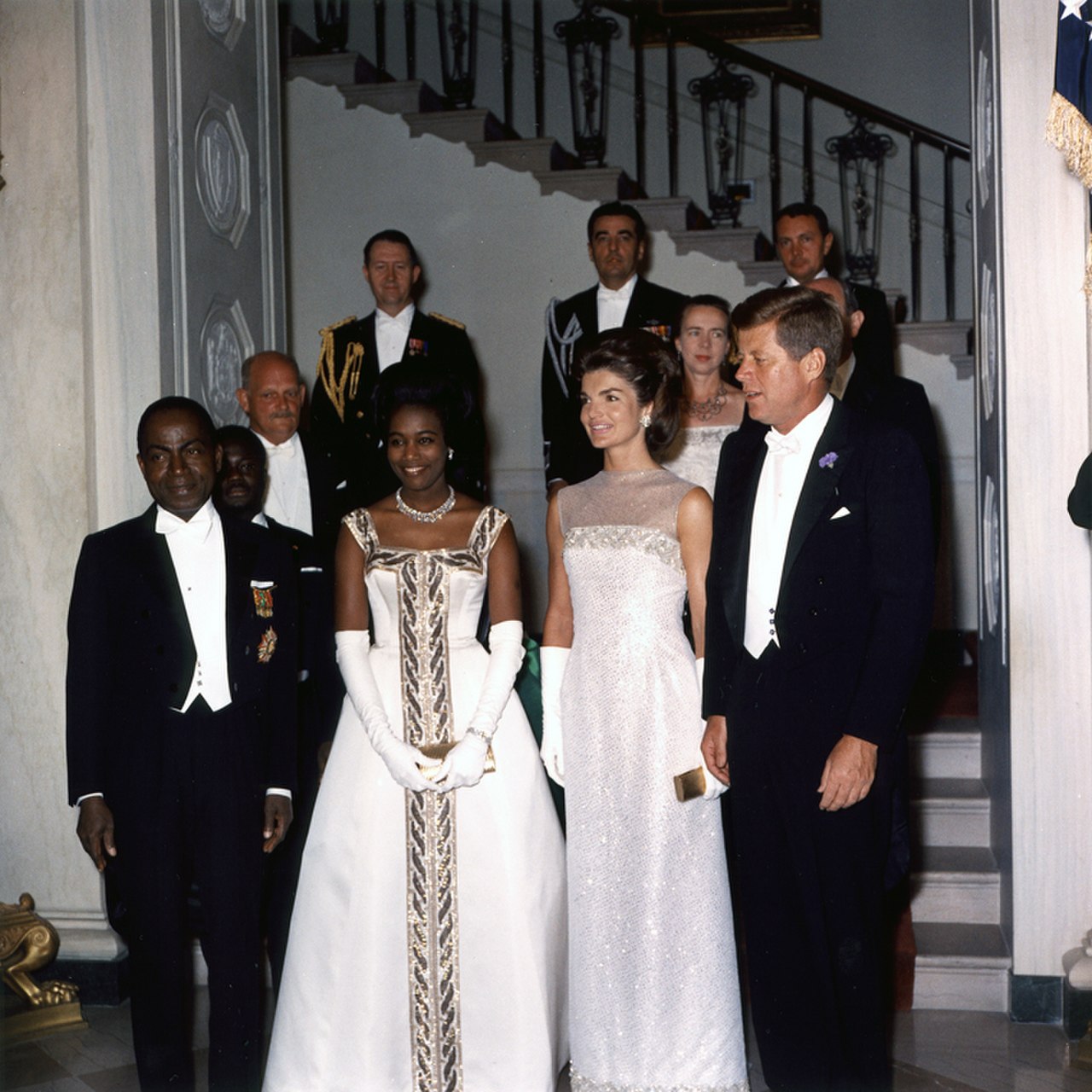
Félix Houphouët-Boigny (1905–1993) was the founding president of the Republic of Côte d'Ivoire and a dominant figure in West African politics during the mid-20th century. He led the country from independence in 1960 until his death in 1993, shaping its institutions, foreign relations and economy.
Image gallery
10 Images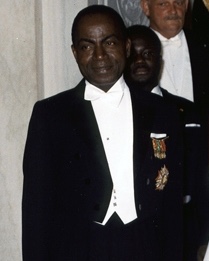




Early life and political rise
Born in the central region of what became Côte d'Ivoire, Houphouët-Boigny entered public life during the late colonial era. He served as a representative in French political institutions and used that experience to build a broad political base at home. He founded the Democratic Party of Côte d'Ivoire (PDCI), which became the principal vehicle for his leadership during and after independence.
Leadership and governance
As president he pursued close ties with France and Western partners, prioritizing stability, infrastructure and agricultural export growth. His government organized a highly centralized administration and for many years operated under a one-party or dominant-party system; political pluralism was limited until the early 1990s under domestic and international pressure.
Economy, development and projects
During the first two decades of independence the country experienced rapid growth often called the "Ivorian miracle," driven by cocoa and coffee exports and public investment in roads, ports and cities. Houphouët-Boigny also promoted development in his native region and initiated major symbolic projects, including moving the political capital to Yamoussoukro and commissioning grand buildings there.
- Founder of the PDCI and long-serving national leader
- Close postcolonial relationship with France
- Economic model based on cash-crop exports and state-led investment
- Later reforms toward multiparty politics in the 1990s
His long tenure is assessed in mixed terms: credited with national stability and early development, but criticized for authoritarian practices, clientelism and limited political freedoms. He died in office in 1993, and debates about his legacy continue to influence Ivorian politics.
For further reading and archival material see biographical resources and documents.
Related articles
Author
AlegsaOnline.com Félix Houphouët-Boigny: First President of Côte d'Ivoire and Longtime Statesman Leandro Alegsa
URL: https://en.alegsaonline.com/art/118803