
Everett Dirksen: U.S. Senator and Senate Minority Leader
Everett Dirksen (1896–1969) was a Republican lawmaker from Illinois who served in both the U.S. House and Senate and led Senate Republicans in the 1960s, noted for his oratory and role in civil rights legislation.
Overview
Everett McKinley Dirksen was an American Republican politician who represented Illinois for more than three decades. He served in the U.S. House of Representatives from 1933 to 1949 and later in the U.S. Senate from 1951 until his death in 1969. As Senate Minority Leader during much of the 1960s, Dirksen became a prominent national figure, widely known for his distinctive baritone voice and theatrical speaking style.
Image gallery
8 Images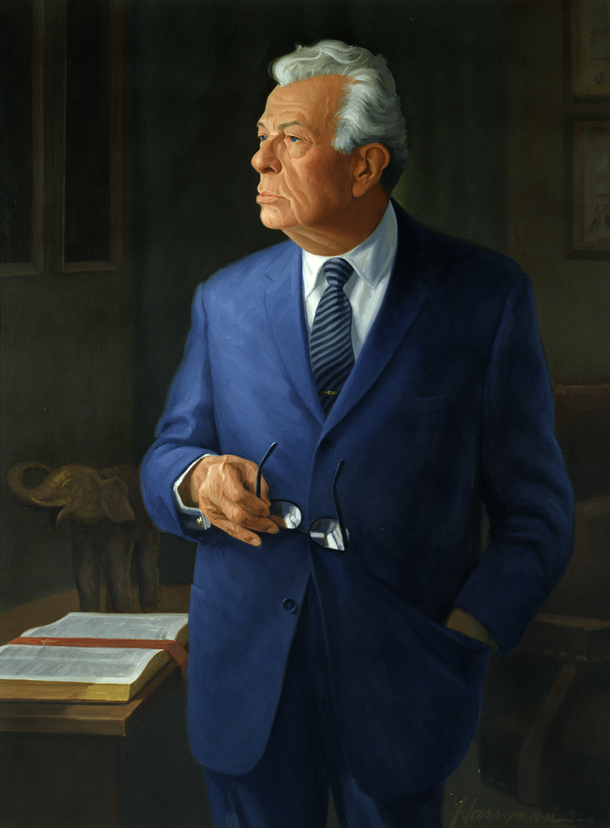



Political career and leadership
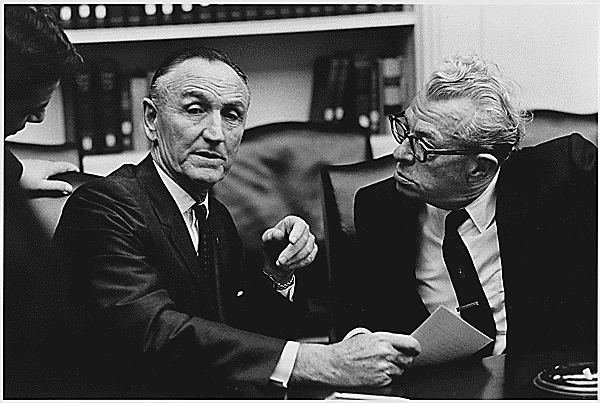
Dirksen rose from a midwestern congressional delegation to leadership among Senate Republicans. He led the caucus at a time when the Senate faced major national debates over civil rights, fiscal policy, and the United States' growing military commitments overseas. His position as Minority Leader made him a frequent negotiator with Democratic majorities and the executive branch.
Legislative role and key achievements
Although often characterized as a conservative, Dirksen played a pivotal role in securing Republican votes for landmark laws of the 1960s. He worked to build bipartisan coalitions that helped enact important measures, most notably the Civil Rights Act of 1964 and the Fair Housing legislation commonly known as the Open Housing Act of 1968. Those efforts reflected a willingness to cross typical partisan lines on major national issues.
Positions, style and controversies
Dirksen combined a conservative outlook on economics and government with strong support for an assertive foreign policy. He was a vocal backer of U.S. policy in the Vietnam War, which brought him criticism from opponents of the conflict. His oratorical gifts earned him nicknames and public attention; some praised his persuasive speeches while others derided his theatrical manner.
Notable facts and legacy
- Served over three decades in Congress, moving from the House to the Senate.
- As Minority Leader, he was a key partner in negotiations for major 1960s legislation.
- Remembered for a resonant speaking voice and skillful floor tactics.
- Also known for participation in civic groups and fraternal organizations during his career.
Death and remembrance
Dirksen died on September 7, 1969, in Washington, D.C.. His death was attributed to cardiopulmonary arrest following an illness related to lung cancer and secondary bronchopneumonia. Historians and political observers continue to assess his impact on mid-20th-century governance: he is often cited as an example of a legislative leader who combined partisan advocacy with the ability to broker compromises on transformative laws.
For further reading, sources on Dirksen’s speeches, voting record, and leadership style provide a fuller picture of his role in a turbulent era of American politics. His career remains a reference point for studies of congressional leadership, civil rights-era legislation, and the interplay between personality and power in the Senate.
Related articles
Author
AlegsaOnline.com Everett Dirksen: U.S. Senator and Senate Minority Leader Leandro Alegsa
URL: https://en.alegsaonline.com/art/118771
Sources
- nymasons.org : "Famous Masons"