
Enrico Letta: Italian politician, former prime minister and party leader
Enrico Letta (born 1966) is an Italian centre-left politician; he served as Prime Minister (2013–2014) and has been Secretary of the Democratic Party since 2021, with a period in academia between presidencies.
Overview
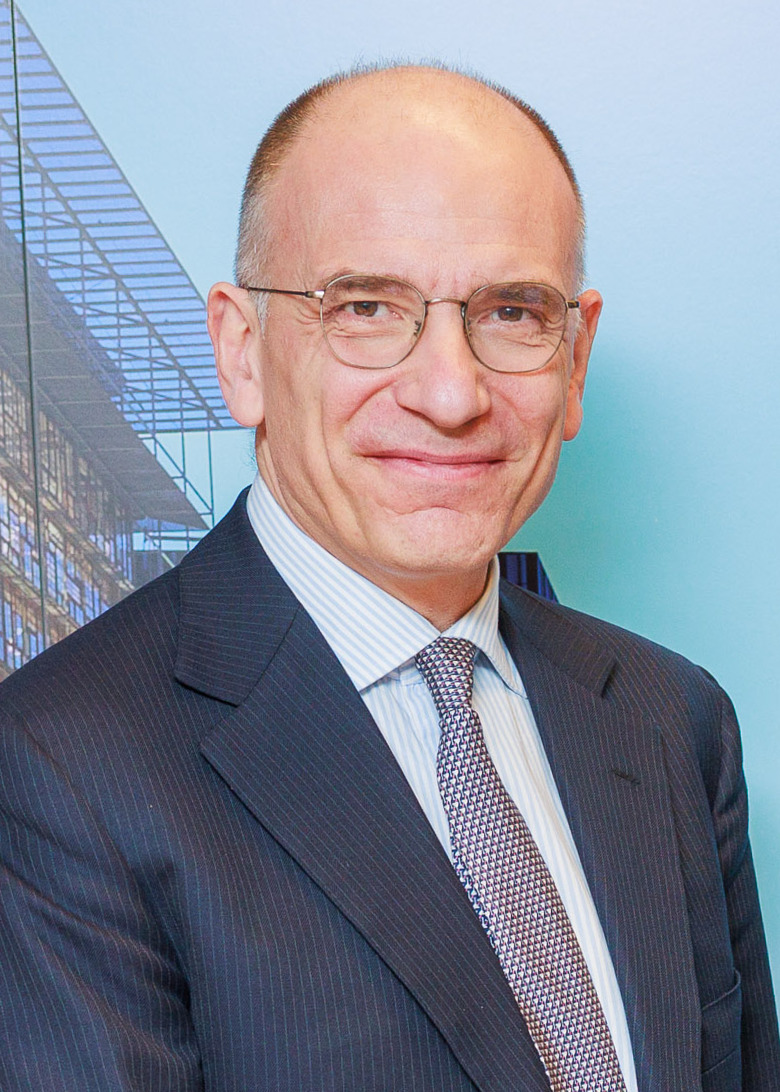
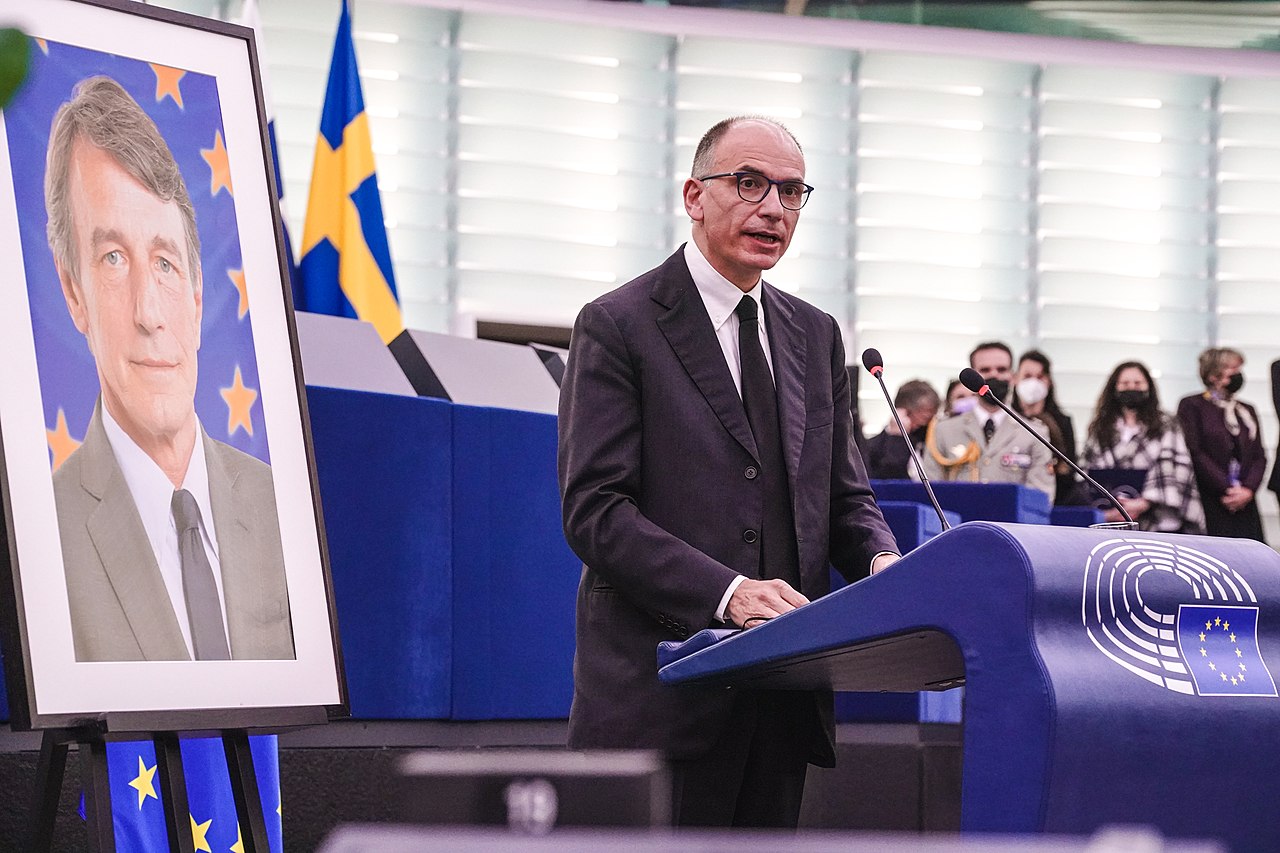
Enrico Letta (born 20 August 1966) is an Italian centre-left politician who has played a prominent role in national and European politics. He served as Prime Minister of Italy from 2013 to 2014, leading a broad coalition government, and returned to party leadership in 2021 as Secretary of the Democratic Party. Known for his pro-European stance and emphasis on institutional stability, Letta has alternated periods in public office with work in academic and policy institutions.
Image gallery
10 Images





Political career and offices
Letta entered national politics in the 1990s and became a member of several post-war cabinets and coalitions, participating in different administrations and holding ministerial and parliamentary roles. Over two decades he built a reputation as a pragmatic centrist within the Italian centre-left, often focused on economic reforms, employment policies and European integration. After the 2013 national elections he was chosen to lead a government formed by a mix of parties and independents, acting as a unifying head of government during a period of fragile parliamentary majorities.
Timeline and notable episodes
- Service in national cabinets and parliamentary bodies beginning in the late 1990s, engaging with successive Italian governments.
- Appointment as Prime Minister in 2013 and leadership of a coalition focused on economic measures and European cooperation.
- After stepping down from the premiership in 2014 he took a step back from frontline politics and in 2015 announced a shift away from being a professional politician to concentrate on teaching and policy work in academia.
- Return to electoral politics in 2021 by winning a by-election in Siena and subsequently becoming Secretary of his party.
Policy profile and public image
Letta is widely regarded as pro-European and reform-oriented. Throughout his career he emphasized the need to balance fiscal responsibility with measures to support jobs, especially for young people, and to strengthen Italy’s role in European institutions. His time as prime minister was marked by attempts to stabilize the political landscape and to advance legislation on economic and social issues amid complex coalition dynamics. Colleagues and commentators often describe him as conciliatory and technocratic, favoring negotiation and incremental change.
Personal background and later activity
Born in Pisa in the region of Tuscany, Letta comes from a family engaged in public life. He is married and has three children. After leaving the premiership he spent several years in academic and policy roles outside Italy while remaining active in public debates on Europe and governance. His return to elective politics in 2021 demonstrated his continued influence within Italy’s centre-left and his interest in rebuilding his party’s national standing.
Legacy and distinctions
Letta’s tenure is often remembered for its efforts to maintain political stability during a turbulent period and for prioritizing Italy’s European commitments. He is considered among the generation of post-Cold War Italian leaders who combine political experience with engagement in international and academic institutions. Observers note his ability to navigate coalition politics and his later pivot to teaching and policy work as elements that shaped a career spanning both governance and intellectual contributions.
Democratic Party | Prime Minister | Head of government | Italian governments | Professional politician | Academia | Pisa | Tuscany
Related articles
Author
AlegsaOnline.com Enrico Letta: Italian politician, former prime minister and party leader Leandro Alegsa
URL: https://en.alegsaonline.com/art/118558
Sources
- enewsreference.com : "eNews Reference – Referencing News Everywhere"
- lefigaro.fr : "Letta démissionne du parlement italien pour enseigner à Sciences Po Paris"
- bbc.com : "Profile: Enrico Letta"