
Enrique Granados — Spanish composer and pianist
Enrique Granados (1867–1916) was a Catalan-born composer and virtuoso pianist best known for the piano cycle Goyescas and for shaping a lyrical Spanish piano tradition within the late-Romantic era.
Overview
Enrique Granados was born in Lérida (Lleida) on 27 July 1867. He became one of Spain's most celebrated composers and a distinguished concert pianist, spending much of his adult life in Barcelona. Combining a Romantic sensibility with Spanish melodic and rhythmic idioms, Granados produced piano music that is intimate, richly colored and rooted in national character.
Image gallery
2 Images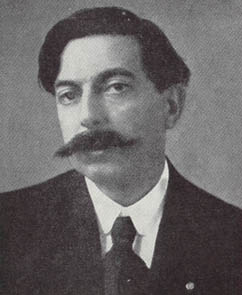

Life and career
Trained initially in Spain, Granados developed a reputation as both a performer and teacher. He maintained an active teaching studio in Barcelona and gave recitals that helped introduce his works to Spanish audiences. Although he worked mainly in Catalonia and Madrid, he travelled and accepted engagements abroad during his career, increasing his international profile.
Works and musical style
Granados wrote predominantly for the piano, producing cycles of short character pieces, dances and lyrical miniatures that exploit the instrument's expressive range. His best-known piano cycle, Goyescas, draws inspiration from the paintings and atmosphere of Francisco Goya and evokes scenes, characters and moods associated with Spanish life. The cycle demonstrates Granados's gift for songlike melody, refined harmonic color and evocative rhythmic gestures. He also composed songs, vocal pieces and stage works, and his output is valued for its idiomatic writing for the keyboard and its poetic national voice.
Death
Granados died in the English Channel on 24 March 1916 while returning from a concert visit. Contemporary accounts note that his death at sea ended the life of a composer who had been gaining wider recognition outside Spain.
Influences and relationships
Granados cited the painter Goya as a formative artistic reference and modeled some musical scenes on the painter's imagery. His harmonic language and pianistic style show affinities with late-Romantic currents in Europe while remaining distinctly Spanish; he is often mentioned alongside contemporaries such as Isaac Albéniz and Manuel de Falla in discussions of Spanish musical nationalism. As both a composer and a pianist, he influenced pupils and performers who carried forward a native piano tradition.
Legacy
Granados's music, especially the pieces grouped under the Goyescas title and his various Spanish dances and character pieces, remains in the standard repertoire for pianists aiming to convey Spanish lyricism and color. Recordings, concert programs and educational materials continue to introduce new generations to his work. Further information and biographical entries can be consulted via general reference and music resources for researchers and music lovers interested in early 20th‑century Spanish culture and piano literature: birthplace and biographical entries, chronologies, accounts of his death at sea, date references, compositional summaries, pianistic discussions, and Barcelona musical life.
Questions and answers
Q: Who was Enrique Granados?
A: Enrique Granados was a Spanish composer and pianist.
Q: When was Enrique Granados born and when did he pass away?
A: Enrique Granados was born on July 27, 1867, and he passed away on March 24, 1916.
Q: Where did Enrique Granados live most of his life?
A: Enrique Granados lived most of his life in Barcelona.
Q: What was Enrique Granados' favourite painter?
A: Enrique Granados' favourite painter was Goya.
Q: What is the title of Enrique Granados' best work?
A: The title of Enrique Granados' best work is Goyescas.
Q: What inspired Enrique Granados to create the piano pieces Goyescas?
A: The piano pieces called Goyescas by Enrique Granados were inspired by Goya's paintings.
Q: What is the connection between Enrique Granados and Goya?
A: Enrique Granados was a fan of the painter Goya, and he drew inspiration for his best work, the piano pieces called Goyescas, from Goya's paintings.
Related articles
Author
AlegsaOnline.com Enrique Granados — Spanish composer and pianist Leandro Alegsa
URL: https://en.alegsaonline.com/art/118562
Sources
- macmcclure.com : "Composers: Enrique Granados"
- laphil.com : "Enrique Granados"