
Engelbert Humperdinck (composer): life, music, and legacy
German late-Romantic composer Engelbert Humperdinck (1854–1921) is best known for the opera Hänsel und Gretel and for blending folk elements with rich orchestral writing.
Overview
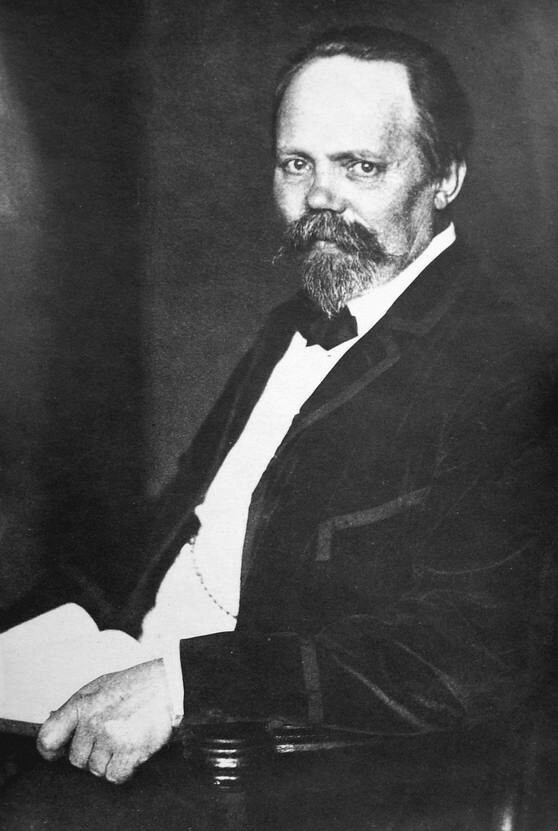
Engelbert Humperdinck (1 September 1854 – 27 September 1921) was a prominent German composer of the late Romantic era. He composed for the theatre and concert hall, and his music is remembered for its lyrical melodies, colorful orchestration, and incorporation of folk material. His reputation rests chiefly on the stage work Hänsel und Gretel, an opera that brought him lasting popular recognition after its debut in 1893.
Image gallery
3 Images

Life and career
Humperdinck trained as a musician in 19th-century Germany and developed a career that combined composition with practical work for the theatre. Over time he produced operas, incidental music for plays, choral works, songs and piano pieces. While biographical accounts record his activity in several German musical centers, his output is most notable for works intended for performance by both professional ensembles and amateur or family groups.
Musical style and influences
Working within the broad umbrella of Romanticism, Humperdinck drew on folk-song models and on the harmonic and orchestral techniques popularized by his contemporaries. Critics and historians frequently note Wagnerian influences in his approach to orchestral color and dramatic scoring, alongside a more straightforward gift for melody and effective stagecraft. These qualities give his best-known works an approachable yet richly textured sound world.
Hänsel und Gretel and other works
Hänsel und Gretel, based on the Brothers Grimm fairy tale, remains his signature piece. Its combination of lullaby-like tunes, evocative orchestration and clear dramatic pacing helped it enter both opera-house repertory and popular consciousness. Beyond that opera, Humperdinck wrote incidental music for plays, church music, choral pieces and short instrumental works. Many of these pieces were designed for domestic music-making as well as public performance.
Selected works
- Hänsel und Gretel (opera, 1893)
- Incidental music for drama and children’s theatre
- Choral and vocal collections, songs and piano pieces
Legacy and notable facts
Humperdinck’s music has continued to be performed, especially his opera, which is often staged around the holiday season in many countries. His combination of folk-derived melody with rich orchestration helped bridge more populist musical material and serious Romantic technique. A later and unrelated popular culture twist is that the British singer Arnold George Dorsey adopted the name Arnold George Dorsey—better known by his stage persona—as an artistic pseudonym. The singer chose the moniker as a stage name intending to project a more cultured and refined image, while the composer’s identity remains distinct and central to late-Romantic German music history. For general background on composers and the period see entries linked under composer and the Romantic movement.
Related articles
Author
AlegsaOnline.com Engelbert Humperdinck (composer): life, music, and legacy Leandro Alegsa
URL: https://en.alegsaonline.com/art/118548
Sources
- bach-cantatas.com : "Engelbert Humperdinck (Composer, Arranger) - Short Biography"
- musicianguide.com : "Engelbert Humperdinck Biography"