
Emperor Keitai — early Japanese sovereign of debated historicity
Emperor Keitai is listed as the 26th sovereign in Japan's traditional order. Details of his life and reign are uncertain; he may have been a regional ruler from Koshi later incorporated into the Yamato lineage.
Overview
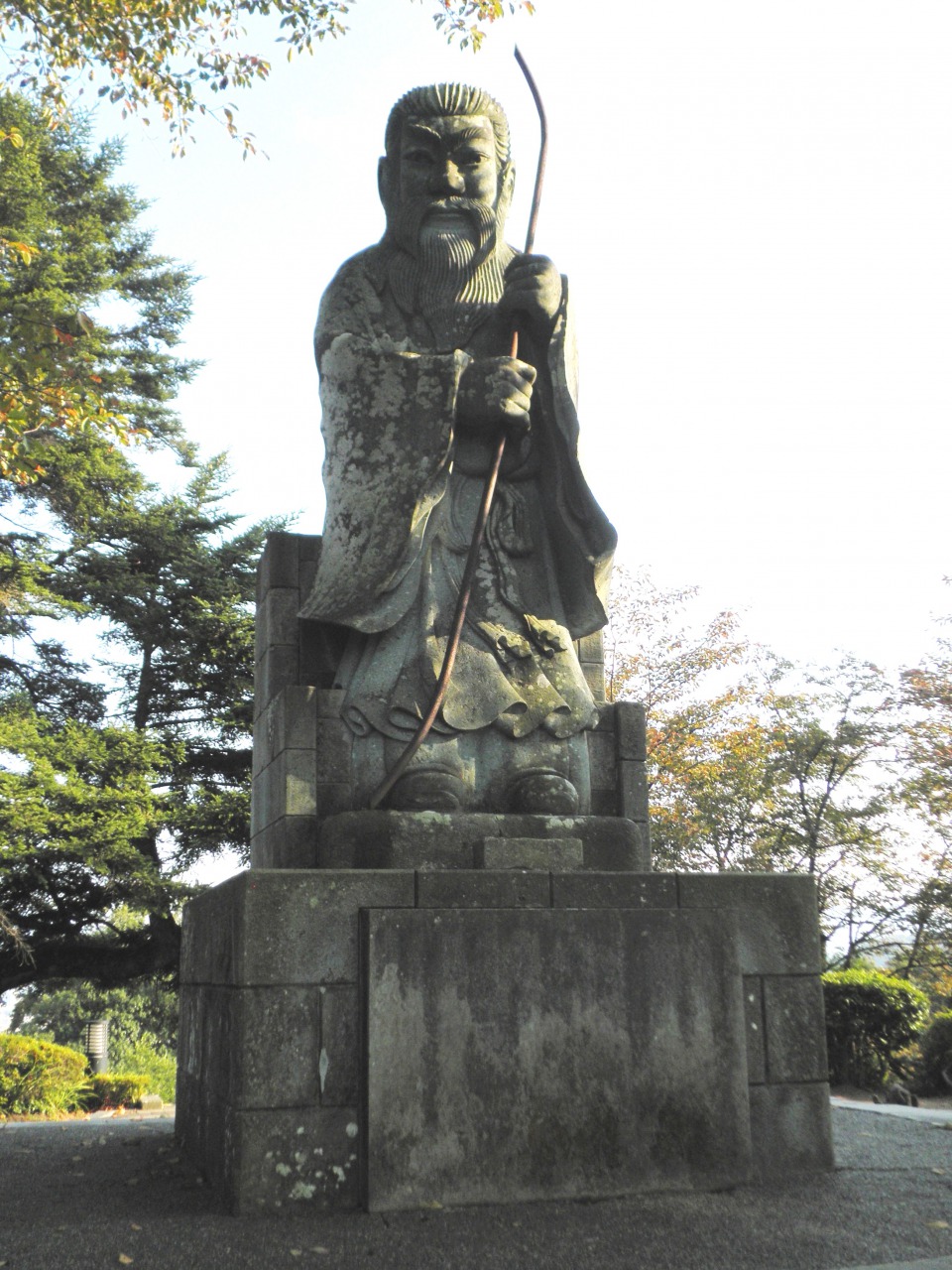
Emperor Keitai is traditionally counted as the 26th emperor in the classical succession of Japanese rulers. He appears in early chronicles as a ruler who succeeded the previous Yamato line at a time when historical records are sparse. Modern scholars treat many elements of his biography as uncertain or partly legendary, though they consider his existence and role probable within the broad sweep of early Japanese state formation.
Image gallery
2 Images
Sources and historical certainty
The main narratives about Keitai come from the ancient Japanese chronicles compiled centuries after the events they describe. These works form the backbone of what is known about early emperors, but their accounts mix tradition, genealogy and political narrative. Because of the gap in contemporary documentation, no precise, universally accepted dates can be assigned to Keitai's life or reign. Historians therefore describe details of his career as plausible reconstructions rather than firmly attested facts.
Lineage and regional background
Some modern studies identify Keitai with a regional chieftain sometimes called King Ohoto of Koshi, a polity in the northern part of the Japanese archipelago. This identification suggests that Keitai may have come to the center of Yamato power from outside its immediate heartland, reflecting a period when leadership could be consolidated by linking different regional elites. The posthumous name by which he is generally known was assigned by later compilers rather than used contemporaneously.
Role and significance
Keitai's importance in tradition lies less in securely documented policies or battles and more in his placement within the line of succession: his accession represents continuity of rulership as conceived by later generations. While the exact mechanisms of his rise are debated, his figure is often cited in discussions of how the early Yamato polity incorporated distant elites and stabilized dynastic succession.
Debates and notable facts
- Keitai's historicity: regarded as probable but not provable in detail; descriptions are often qualified as "possibly legendary" in scholarly literature (see note).
- Posthumous naming: like many early rulers, his formal imperial name was bestowed by later chroniclers (posthumous name), not necessarily reflecting contemporary usage.
- Connection to Koshi: some sources equate him with a regional king from Koshi Province, which points to regional dynamics in state formation (Koshi).
Context and lasting legacy
The consolidated list of early emperors, including Keitai, was not fixed into the familiar traditional sequence until rulers several centuries later. For example, the arrangement and acceptance of the early succession were solidified during the reign of Emperor Kammu, the 50th monarch in the classical account. Keitai's story therefore sits at the intersection of local power struggles, genealogical claims, and the retrospective construction of imperial continuity. Readers seeking primary texts or modern discussions can consult the principal chronicles and scholarly treatments for further context (Japan studies and sources provide broader background).
Though details remain contested, Keitai continues to be a focal figure in examinations of how early Japanese rulership evolved from a patchwork of regional authorities into a dynastic monarchy acknowledged by later generations. For introductions and compiled entries, see reference material assembled by later historians and traditional compilers (later generations) or specialist discussions of early rulers (succession lists). For more on historiographical assessment, consult modern syntheses and critical studies (posthumous naming and questions of legend).
Questions and answers
Q: Who was Keitai?
A: Keitai (継体天皇, Keitai-tennō) was the 26th emperor of Japan, according to the traditional order of succession.
Q: What is known about Emperor Keitai's life?
A: Historians consider details about the life of Emperor Keitai to be possibly legendary, but probable.
Q: When did the conventionally accepted names and sequence of early emperors become "traditional"?
A: The conventionally accepted names and sequence of the early emperors were not to be confirmed as "traditional" until the reign of Emperor Kammu, who was the 50th monarch of the Yamato dynasty.
Q: What is King Ohoto of Koshi believed to be?
A: Some modern reference works of history call Keitai King Ohoto of Koshi.
Q: Where was Koshi located?
A: Koshi was a small regional entity in what would become Koshi Province in northern Japan.
Q: When can dates be assigned to this emperor's life or reign?
A: No certain dates can be assigned to this emperor's life or reign.
Q: What name was created for him posthumously by later generations?
A: The name Keitai-tennō was created for him posthumously by later generations.
Related articles
Author
AlegsaOnline.com Emperor Keitai — early Japanese sovereign of debated historicity Leandro Alegsa
URL: https://en.alegsaonline.com/art/118510
Sources
- kunaicho.go.jp : 継体天皇 (26)
- t-net.ne.jp : "Kofun Culture,"
- t-net.ne.jp : Japanese Archaeology.
- books.google.com : The Cambridge history of Japan: Ancient Japan, Vol. I., p. 154.