
Ellison Onizuka: American astronaut, engineer, and Challenger crew member
Ellison Onizuka (1946–1986) was an American astronaut and U.S. Air Force officer who became the first Asian American and first person of Japanese ancestry to travel to space; he died aboard Challenger in 1986.
Ellison Shoji Onizuka was an American engineer and United States Air Force officer who became a NASA astronaut. Born in Hawaii, he flew into orbit in 1985 on the Space Shuttle Discovery as a mission specialist on STS-51-C, and later served on the ill-fated Space Shuttle Challenger mission STS-51-L. He is widely recognized as the first Asian American and the first person of Japanese ancestry to reach space, and his career is remembered for both its achievements and the national tragedy that ended it.
Image gallery
10 Images



Early life and education
Onizuka was born in Kealakekua, on the island of Hawaii. Raised in a rural Hawaiian community, he showed an early interest in science and aviation. He attended the University of Colorado at Boulder, where he completed both a bachelor of science and a master of science degree in engineering-related fields in 1969. His academic background and technical skills later supported his career as an Air Force flight test engineer and as a member of the NASA astronaut corps.
Military service and selection by NASA
After university, Onizuka served in the U.S. Air Force, where he advanced to the rank of lieutenant colonel while working as a flight test engineer and pilot. His professional record and flight experience led to his selection by NASA as an astronaut candidate. During his time with the space agency he performed technical duties in addition to flight training and contributed to mission planning and crew support activities.
Spaceflights and NASA career
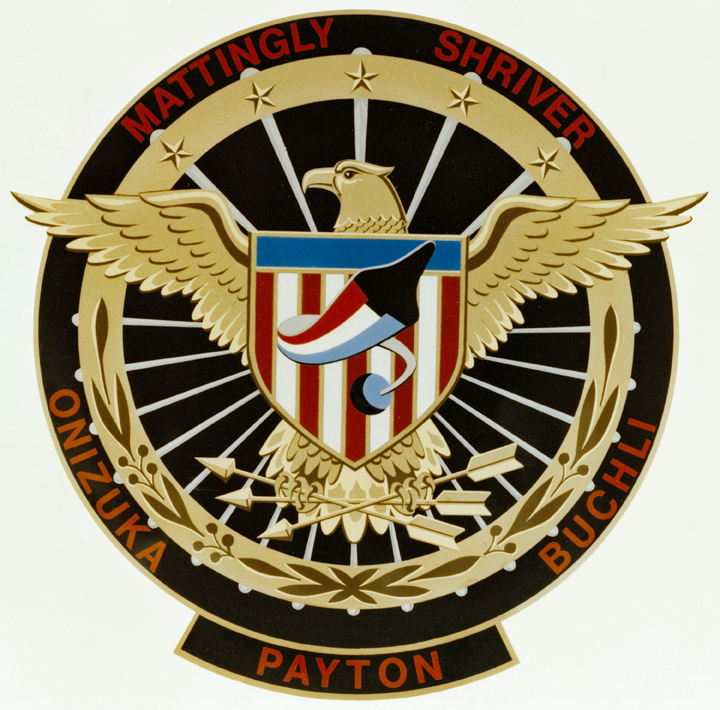
Onizuka flew his first space mission aboard STS-51-C in 1985, a Department of Defense mission announced publicly with limited details. That flight marked his entry into space and strengthened his profile within the astronaut corps. He was later assigned as a mission specialist on STS-51-L, the Challenger flight launched on January 28, 1986. The vehicle broke apart shortly after liftoff, killing all seven crew members. The accident prompted a long investigation, a pause in shuttle flights, and many changes to shuttle program safety and management.
Personal life and honors
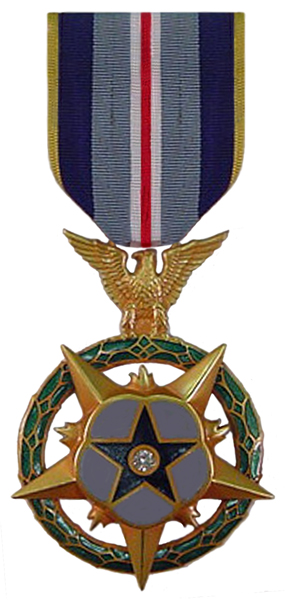
Onizuka married Lorna Leiko Yoshida in 1969 and the couple had two daughters. After his death, he was posthumously promoted to colonel in recognition of his service. He has been honored in many ways across the United States and in his home state of Hawaii: schools, parks, scholarships, and memorials bear his name and tell the story of his life, career, and the broader human cost of the Challenger disaster.
Legacy and notable facts
Onizuka's legacy includes his status as a pioneering Asian-American figure in U.S. human spaceflight and as a role model for students interested in science, engineering, and aviation. The Challenger accident remains a pivotal event in spaceflight history; investigations and reforms that followed reshaped NASA's approach to risk, engineering communication, and program oversight.
- Firsts: recognized as the first Asian American and first person of Japanese ancestry to travel into space (astronaut milestone).
- Education and career: University of Colorado degrees and a career in the U.S. Air Force and NASA (academic record, engineering work).
- Flights: STS-51-C aboard Discovery and STS-51-L aboard Challenger (Challenger disaster).
- Commemoration: posthumous promotion and multiple memorials in Hawaii and across the U.S. (military recognition, posthumous honors).
For readers seeking additional biographical or mission details, official and archival resources maintained by government and educational institutions provide comprehensive timelines, mission summaries, and tributes to the crew. See sources for technical mission descriptions and for the formal findings of the accident investigations (Hawaii roots, degree details, academic records).
Onizuka's life and career are studied both for the human story they tell about aspiration and service, and for the lessons they contributed to the practice of safe, sustainable human spaceflight. His memory endures in classrooms, public memorials, and the continuing efforts to inspire broad participation in science and engineering fields.
Related articles
Author
AlegsaOnline.com Ellison Onizuka: American astronaut, engineer, and Challenger crew member Leandro Alegsa
URL: https://en.alegsaonline.com/art/118372
Sources
- nasa.gov : "Biographical Data"