
Master of Science (MSc): Overview, Structure, History, and Uses
The Master of Science (MSc) is a postgraduate degree awarded by universities for advanced study in sciences, engineering, and related disciplines. This article explains structure, entry, variations, and common career paths.
Overview
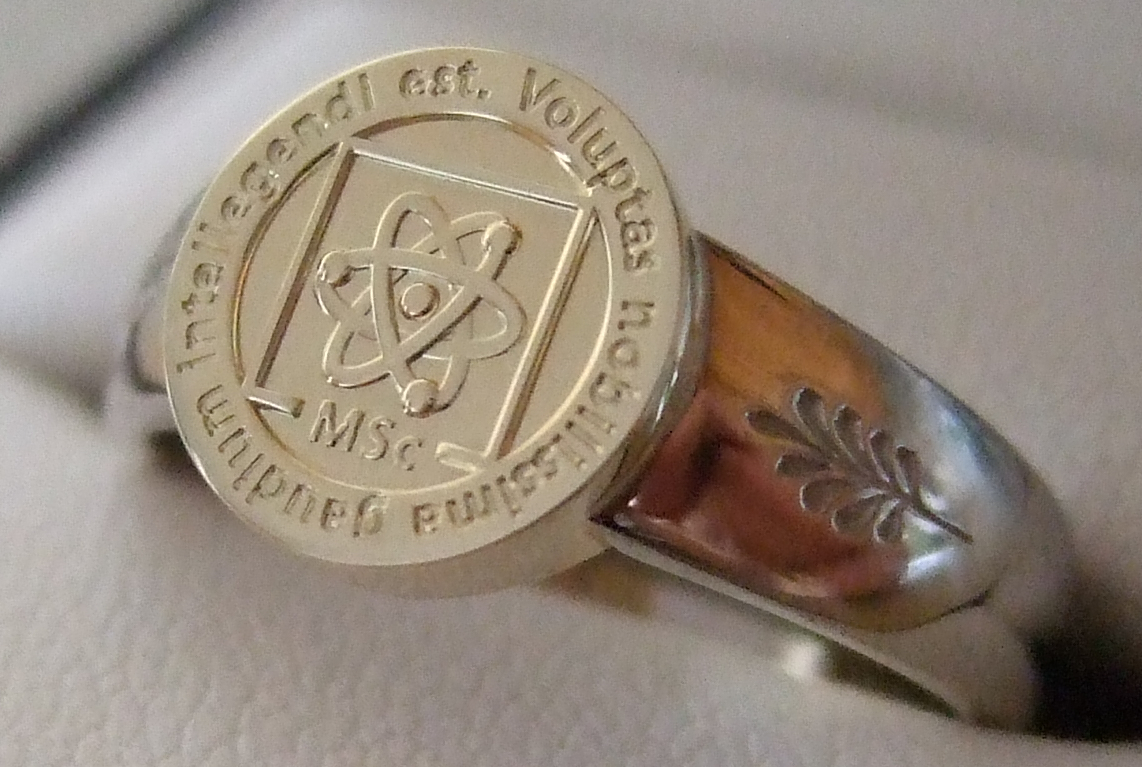
A Master of Science (commonly abbreviated MSc or MS) is a postgraduate academic degree conferred by universities. It recognizes advanced study and training in fields that emphasize quantitative, experimental or technical approaches. Typical subjects include mathematics, physics, chemistry, biology, computer science and many branches of engineering; these are often grouped as natural sciences or applied sciences such as engineering.
Image gallery
2 Images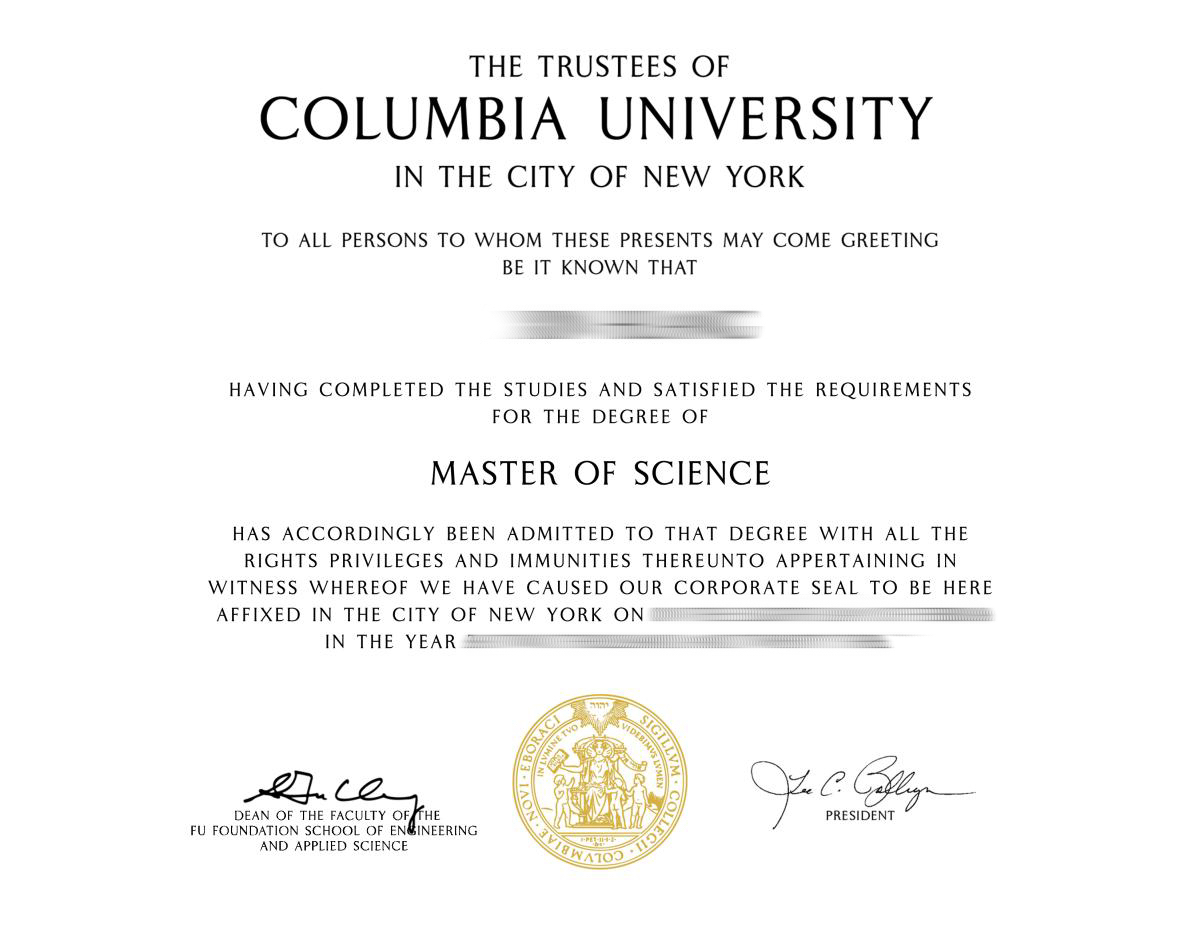
Structure and requirements
Programs vary by country and institution but commonly involve a mix of coursework, examinations and a research component. Many MSc degrees require students to hold a relevant undergraduate qualification — frequently a Bachelor of Science — or equivalent prior study. A substantial portion of taught MSc programs is devoted to advanced classes, while research-oriented tracks center on an independent project and a written report or thesis.
- Duration: most programs run for one to two years of full-time study.
- Assessment: may include exams, coursework, laboratory work and a final dissertation or thesis.
- Progression: an MSc is commonly the next step before doctoral study.
History and global variations
The MSc evolved alongside the modern research university as institutions formalized postgraduate training. Its name and exact structure differ across regions: some countries prefer the abbreviation MS, others MSc; some place more emphasis on coursework, others on original research. Admission criteria, credit systems and the balance between taught and research elements reflect national educational traditions.
Uses, career paths and importance
An MSc prepares graduates for technical or research careers in industry, government and academia. It is often expected for roles that require specialized analytical skills or advanced technical knowledge and is a common stepping stone into doctoral programs such as the doctorate. Employers value MSc holders for their ability to design experiments, analyze data and manage complex projects.
Distinctions and notable facts
Important distinctions include the difference between an MSc and a Master of Arts (MA): the former generally emphasizes scientific and technical subjects while the latter centers on humanities and social sciences. Other variations exist such as professional master’s degrees that focus on applied skills rather than research. When choosing a program applicants should assess accreditation, faculty research, available supervision for projects, and potential funding or scholarships.
For prospective students, typical steps include reviewing program syllabi, confirming entry requirements, and considering whether a taught or research pathway better matches career goals. The MSc remains one of the most widely recognized postgraduate qualifications for scientific and technical advancement.
Related articles
Author
AlegsaOnline.com Master of Science (MSc): Overview, Structure, History, and Uses Leandro Alegsa
URL: https://en.alegsaonline.com/art/62734