
Academic degree: purpose, types, and international practices
A concise overview of academic degrees: what they signify, common types (associate, bachelor, master, doctorate), how they are awarded, professional distinctions, and international variations.
An academic degree is a formal credential granted by a college, university, or other authorized institution to individuals who have met specified requirements in a program of study. Degrees certify completion of coursework, examinations, research, or practicum components and serve as a widely recognized indicator of education and training in a subject area. Institutions follow established rules for admission, curriculum, assessment and graduation; the appearance and naming of degrees vary by country and by educational tradition.
Image gallery
4 Images

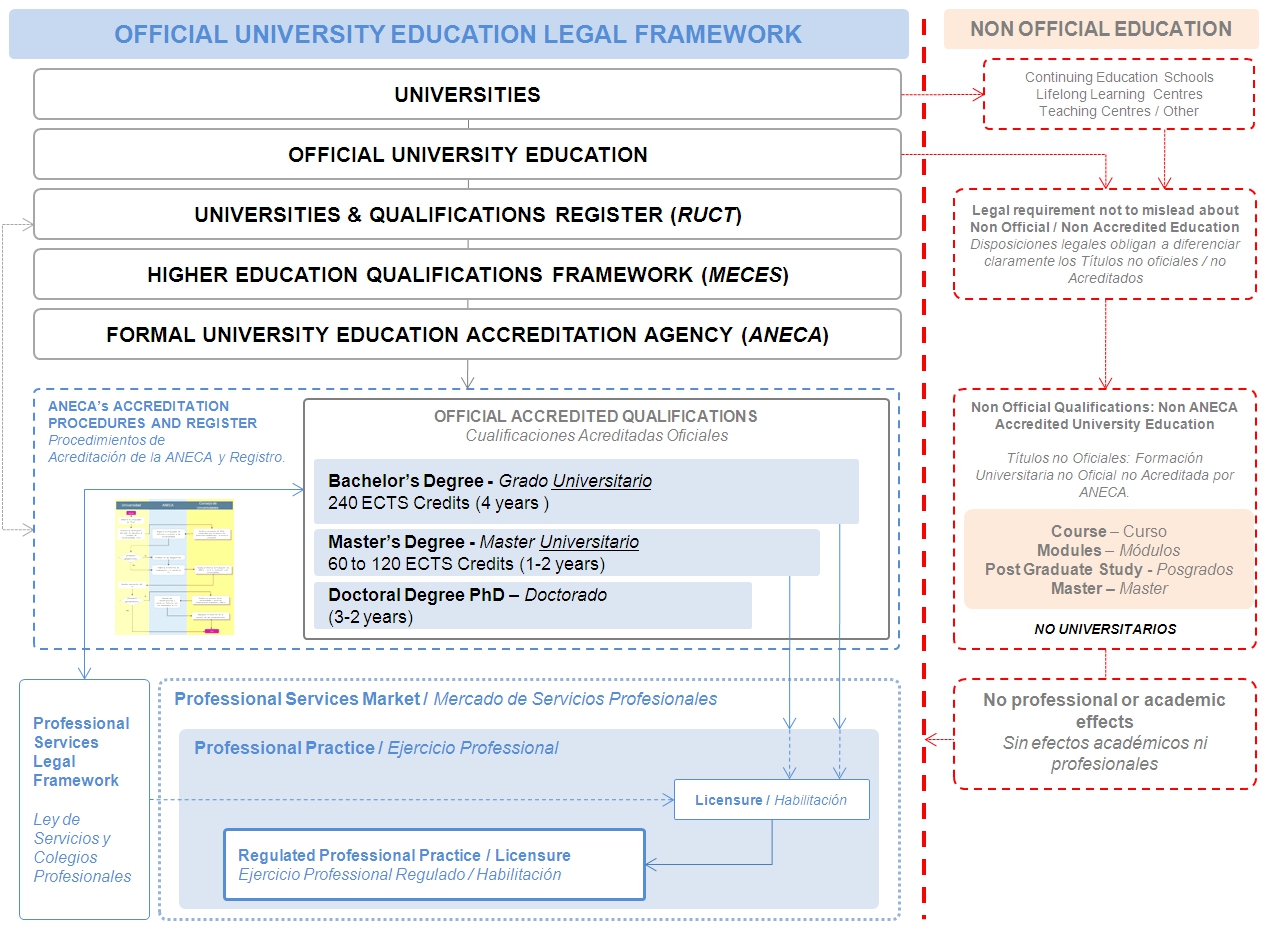

Common categories and typical durations
Degrees are usually grouped into progressive levels that reflect depth of study and expectations for independent learning or research. Typical categories include:
- Associate degrees — often two years of post-secondary study at community, technical, or junior colleges; these provide vocational preparation or general education for transfer to higher programs.
- Bachelor's degrees — usually three to four years of full‑time study (some systems specify longer or shorter durations). Bachelor's programs combine general foundation courses with disciplinary specialization.
- Master's degrees — postgraduate qualifications commonly lasting one to two years, involving advanced coursework, projects, or a supervised thesis.
- Doctoral degrees — research‑oriented qualifications (often called PhD, DPhil, or equivalent) awarded after original scholarly work, typically taking several years beyond the master's level.
Structure, naming, and professional qualifications
Degree titles follow local traditions (for example, Bachelor of Arts, Master of Science, Doctor of Philosophy) and are often abbreviated for use after a name. In many fields, professional practice requires specific degrees, accreditation, or additional licensure; medicine, law, engineering and teacher education frequently combine academic degrees with regulated certification. Some countries also use intermediate or special-purpose awards such as licentiate qualifications or postgraduate diplomas to signify professional readiness or partial completion of advanced study.
How degrees are earned and certified
Programs define learning outcomes, credit requirements and assessment methods. Assessment may include examinations, coursework, laboratory work, supervised clinical practice, and for advanced degrees a thesis or dissertation reporting original research. Degrees are conferred by the governing body of the institution once requirements are satisfied; the award is recorded on a diploma or academic transcript. Many systems also recognise honorary degrees, which are symbolic and do not reflect course completion.
Historical development and international variation
The modern degree system has roots in medieval European universities but has evolved differently across regions. National education frameworks, accreditation agencies and qualification frameworks aim to make level descriptors and comparability clearer, though naming conventions and program length still differ internationally. Globalization, student mobility and international quality assurance have increased attention to equivalence, credit transfer and recognition of prior learning.
Uses, value and notable distinctions
Academic degrees serve multiple purposes: they signal subject competence to employers and professional bodies, provide a basis for further study, and structure academic careers. Higher degrees (master's and doctorates) typically prepare holders for research, specialized professions, or academic roles. Distinctions such as honors classifications, professional fellowships, or membership of learned societies may accompany or supplement degree credentials in particular disciplines.
Further reading and official resources
For institutional rules, credential verification, or country-specific information consult the issuing institution or relevant regulatory body. Examples of reference and institutional pages include: degree overview, student guidance, graduation requirements, university policies, assessment standards, credential verification, secondary school diplomas, diploma distinctions, community and technical colleges, bachelor's programs, master's study, doctoral research, thesis guidance, professional medical qualifications, specialist membership examples, technical vocabulary, anatomical examples.
Understanding the variety of academic degrees helps students, employers and policymakers navigate expectations about skills, qualifications and career paths. When comparing degrees across borders, check official credit and qualification frameworks and, where necessary, seek formal recognition or credential evaluation to ensure appropriate equivalence.
Questions and answers
Q: What is an academic degree?
A: An academic degree is a certification that students receive when they graduate from a university. It shows that they have successfully completed their classes and passed a final examination, and it is an official credential.
Q: How long are courses for different degrees?
A: The length of courses, and the number of courses vary depending on which college is attended. Associate's degrees typically take two years to complete, while bachelor's degrees usually take three or four years. Master's degrees can take one or two years, and doctoral degrees typically require four to six years of study.
Q: What are some examples of higher degrees?
A: Higher degrees include master's and doctoral degrees as well as licentiate degrees in some countries. In medicine, membership of specialist societies are also considered higher-level qualifications, as well as fellowships which require postgraduate training and practical experience.
Q: What do high schools give out to graduating students?
A: High schools in the United States give out diplomas to graduating students rather than academic degrees; these diplomas are not considered official credentials like academic degrees are.
Q: Are upper-level courses difficult because they assume knowledge from earlier college courses?
A: Yes, upper-level courses such as those needed for a master's or doctorate degree often assume knowledge from earlier college courses; this includes having to know technical terms such as Latin names for bones in the human body which would be extremely difficult to understand without prior knowledge from undergraduate studies.
Q: Is there any way for people with a degree to show it after their name?
A: Yes, many countries allow people with certain types of academic degree (such as bachelor's) to put letters after their name indicating what type of degree they have earned; for example John Smith BA indicates that John has earned a bachelor's degree.
Related articles
Author
AlegsaOnline.com Academic degree: purpose, types, and international practices Leandro Alegsa
URL: https://en.alegsaonline.com/art/570