
Aerostatics: Principles, History, and Practical Uses
Aerostatics examines gases at rest, their pressure and buoyancy effects, and how these principles enable balloons and airships and support meteorology, tethered platforms, and lighter‑than‑air craft.
Overview
Aerostatics is the branch of fluid statics that deals with gases in equilibrium within a gravitational field. It treats atmospheric pressure, density variations, and buoyant forces when the fluid (air or another gas) is essentially motionless. By contrast, the behavior of flowing gases is studied in aerodynamics and more generally in the dynamics of fluids.
Image gallery
1 Image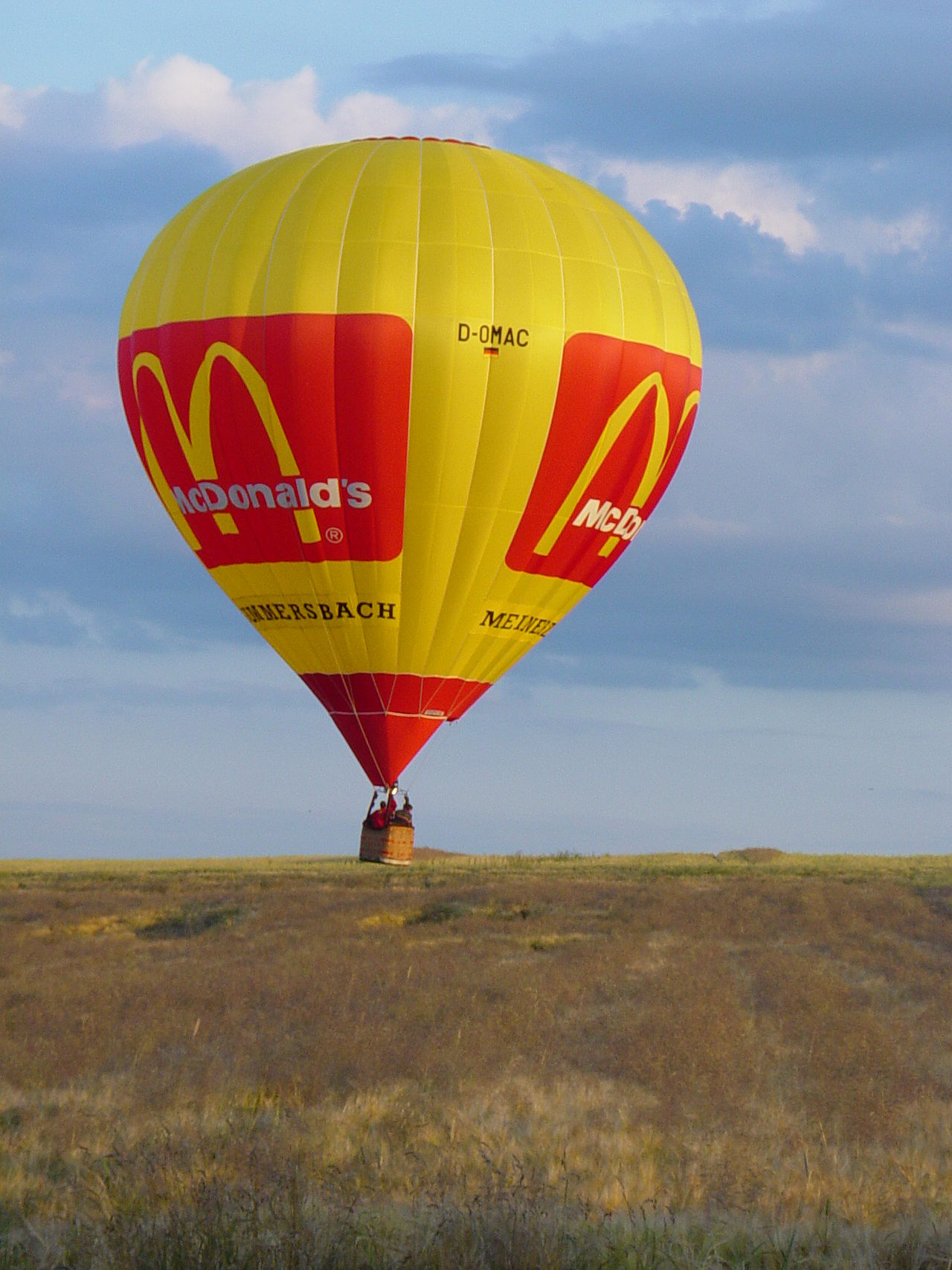
Core principles
Several fundamental ideas form the basis of aerostatics:
- Hydrostatic equilibrium: pressure in a static gas increases with depth under gravity, producing vertical pressure gradients.
- Buoyancy (Archimedes' principle): an object immersed in a gas experiences an upward force equal to the weight of displaced gas, allowing lighter‑than‑air craft to float.
- Equation of state: relationships such as the ideal gas law link pressure, temperature, and density, governing how gases respond to heating, cooling, or compression.
Components and manifestations
Aerostatic phenomena appear in many contexts. Natural examples include atmospheric stratification and inversion layers that influence weather and pollutant dispersion. Engineered examples include lighter‑than‑air vehicles such as the traditional airship and various types of balloon. The general term aerostat describes craft that maintain altitude by static buoyancy rather than aerodynamic lift.
History and development
The conceptual roots trace back to Archimedes' principle for fluids; its application to gases became practical with the development of hot‑air and gas balloons in the 18th century, exemplified by early public flights. Over time, materials, lift gases (such as helium or hydrogen), and structural techniques improved, expanding both civilian and scientific uses.
Uses and importance
Aerostatic systems serve scientific, commercial, and military roles: meteorological sounding balloons ascend into the upper atmosphere to profile temperature and pressure; tethered aerostats provide persistent observation or communications platforms; advertising balloons and tourism rely on predictable buoyant lift. Their relatively low fuel consumption and ability to loiter make them valuable where endurance is more important than speed.
Distinctions, safety and notable facts
Key distinctions are between aerostatics (static gases) and aerodynamics (moving gases), and between gases and liquids within the broader study of fluid statics. Safety considerations often center on the choice of lifting gas—helium is inert, hydrogen is highly buoyant but flammable—and on structural integrity to control lift and venting. Simple actions such as heating air inside an envelope or displacing ambient air with a lighter gas change buoyancy according to well‑understood aerostatic laws, enabling predictable control of altitude and float.
For further introductory material and technical references, readers can consult basic texts on fluid statics and aeronautical engineering or visit general resources on lighter‑than‑air craft and atmospheric physics.
Related articles
Author
AlegsaOnline.com Aerostatics: Principles, History, and Practical Uses Leandro Alegsa
URL: https://en.alegsaonline.com/art/1182