
Edward of Westminster, Prince of Wales (1453–1471)
Edward of Westminster, only legitimate son of Henry VI and Margaret of Anjou, was the Lancastrian heir who died at the Battle of Tewkesbury, ending the direct Lancastrian line.
Overview
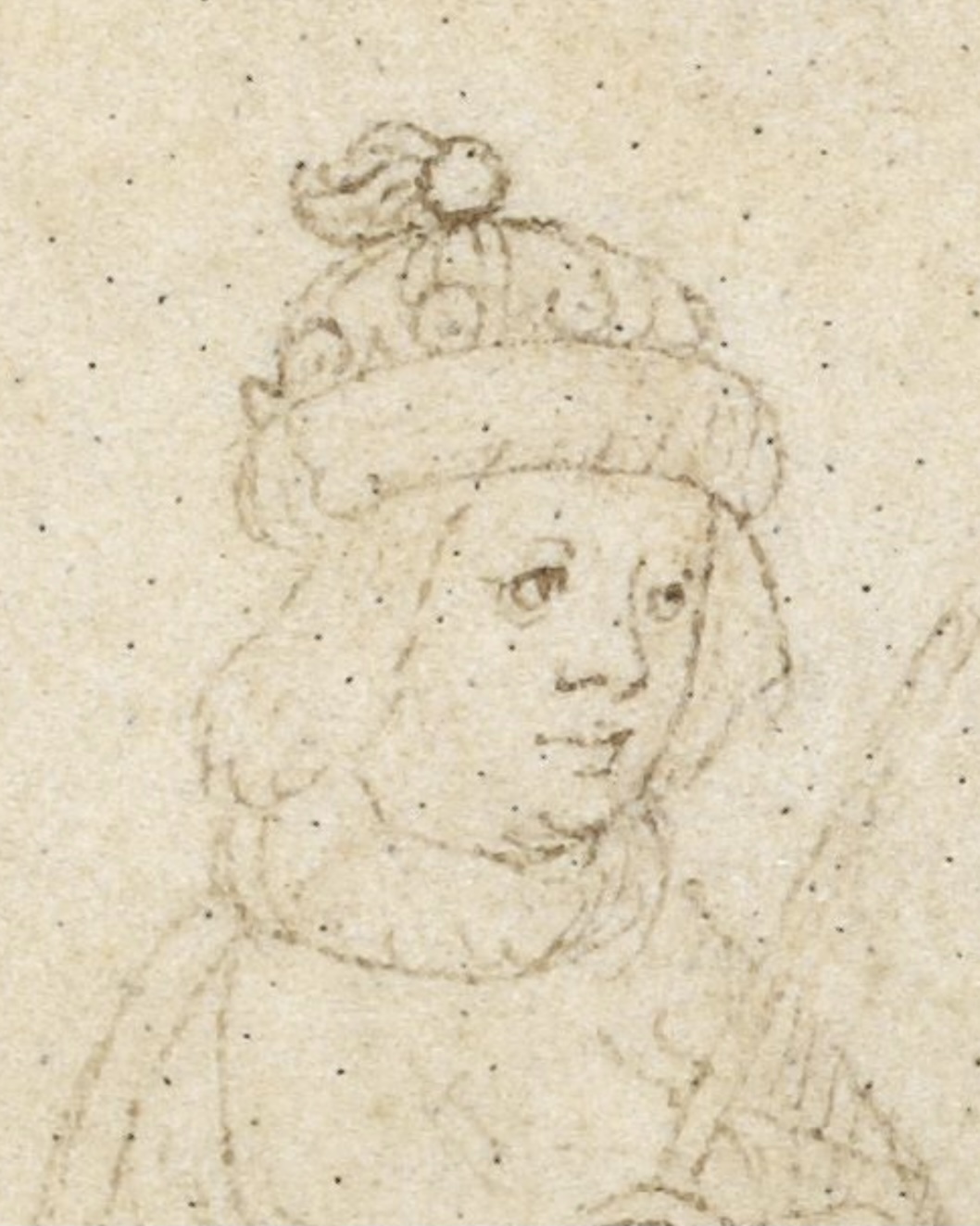
Edward of Westminster (13 October 1453 – 4 May 1471), sometimes called Edward of Lancaster, was the only son of Henry VI and Margaret of Anjou. Born into the dynastic struggle known as the Wars of the Roses, he became the Lancastrian Prince of Wales as heir apparent to his father. His death at the Battle of Tewkesbury in 1471 is commonly cited as the only instance of an English heir apparent being killed in battle.
Image gallery
4 Images


Early life and status
Edward was born at Westminster during a turbulent period in English politics. His birth gave the Lancastrian faction a clear line of succession when it was most needed: the king had suffered a period of incapacity and rival Houses were vying for control. As the king's son he bore the customary princely titles and was the focal point of Lancastrian hopes, raised largely under the care and influence of his mother, Margaret, who acted as commander of his political fortunes.
Context and role
Though young, Edward's existence shaped factional calculations. His claim meant that dynastic settlement required either protection of his rights or removal of the Lancastrian line. During the shifting fortunes of 1450s–1470s he was a symbol more than a battlefield commander: his value lay in legitimacy, rallies, and the possibility of future rule. In 1470–71, when his mother returned to active resistance against Yorkist rule, Edward accompanied her in the campaign that culminated at Tewkesbury.
Tewkesbury and death
The encounter on 4 May 1471 ended the Lancastrian field army. Contemporary and later accounts agree that Edward was killed during or immediately after the fighting, at about seventeen years of age. The precise circumstances—whether in the heat of battle, struck down in flight, or executed after capture—remain debated among chroniclers and historians. Reports also differ on his burial; many accounts place his body at Tewkesbury Abbey, though some details are uncertain.
Legacy and historical significance
Edward's death had immediate constitutional consequences: it extinguished the direct male line of Henry VI and left the Lancastrian cause without its principal dynastic claimant. The Yorkist king Edward IV consolidated his position thereafter. Over time Edward of Westminster acquired a literary and dramatic presence, appearing in chronicles and in the plays of Henry VI, where he is portrayed as a tragic youth swept up in forces beyond his control.
Notable facts
- Only son of the Lancastrian royal couple and principal Lancastrian heir during the civil conflict.
- Often identified as the only English heir apparent to die in battle; this distinction is widely cited in histories.
- The exact circumstances of his death and subsequent burial are subjects of historical debate and differing primary reports.
- His life and demise are recurrent themes in later historical narrative and drama.
For further reading on the period and principal figures, see entries on the king, his queen and the concept of heirship: Henry VI, Margaret of Anjou, and discussions of the heir apparent in the English monarchy heir apparent.
Questions and answers
Q: Who was Edward of Westminster?
A: Edward of Westminster was the only son of King Henry VI of England and Margaret of Anjou.
Q: When was Edward of Westminster born?
A: Edward of Westminster was born on 13 October 1453.
Q: What was Edward of Westminster's other name?
A: Edward of Westminster was also known as Edward of Lancaster.
Q: How did Edward of Westminster die?
A: Edward of Westminster was killed in battle at the age of seventeen at the Battle of Tewkesbury.
Q: Was Edward of Westminster the only heir apparent to the English throne?
A: Yes, Edward of Westminster was the only heir apparent to the English throne.
Q: Who was Edward of Westminster's mother?
A: Edward of Westminster's mother was Margaret of Anjou.
Q: When did Edward of Westminster die?
A: Edward of Westminster died on 4 May 1471.
Related articles
Author
AlegsaOnline.com Edward of Westminster, Prince of Wales (1453–1471) Leandro Alegsa
URL: https://en.alegsaonline.com/art/118159