
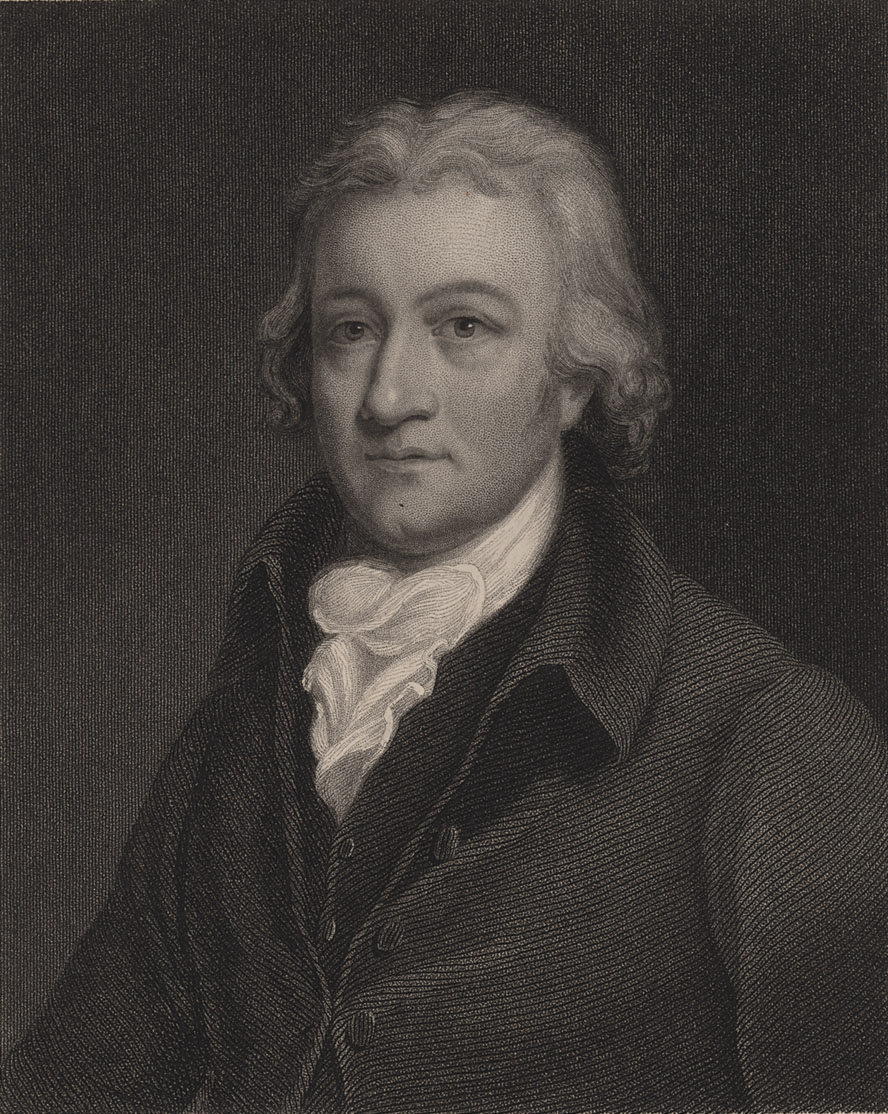
Edmund Cartwright (1743–1823) — inventor of the power loom
English clergyman and inventor best known for patenting the power loom (1785), a key invention in mechanizing textile weaving during the Industrial Revolution.
Overview
Edmund Cartwright (24 April 1743 – 30 October 1823) was an English clergyman and inventor whose work helped mechanize textile production. Trained at Oxford and ordained in the Church of England, he is most often remembered for patenting the power loom in 1785. His life bridged the worlds of ministry and mechanical invention, and his designs became part of the broader technological changes of the Industrial Revolution. Inventor and reformer in the textile trades, Cartwright combined ideas from existing handlooms with steam and water power.
Image gallery
4 Images


Early life and education
Cartwright studied at Oxford University, where he received a classical education and later entered the Anglican ministry. As a parish clergyman he continued to pursue mechanical interests, treating invention as a practical response to economic and social needs of his time. His clerical role did not prevent him from engaging with industrialists, investors, and craftsmen as he sought to refine machines for textile manufacture. See also historical accounts of his career as a Anglican practitioner and a clergyman.
The power loom (1785)
In 1785 Cartwright took out a patent for what became known as the power loom. The machine automated the basic motions of a handloom by using external power to carry out shedding, picking, and beating up. Early designs were large and required further refinement before becoming widely adopted, but the basic principle—substituting mechanised motion for manual labour—remained central.
- Main components: frame, warp beams, heddles, shuttle mechanism, and reed.
- Operation: coordinated movement to form cloth from warp and weft threads.
Cartwright's loom was one of several parallel innovations; its successful industrial spread depended on improvements in power sources, materials, and factory organization. For background on patenting and early models consult sources on his original 1785 specification: power loom patent.
Impact, development, and later life
The power loom contributed to a rapid increase in woven cloth output and reshaped the textile workforce, accelerating factory production and urban employment. Initial commercial adoption was slow because early models were inefficient and costly; inventors and manufacturers continued to refine the mechanism over subsequent decades. Cartwright later worked on additional textile devices and submitted further patents for machinery related to combing and spinning. His inventions are often discussed in histories of industrial technology and labour. For further reading and archival references see historical summaries and curated collections of industrial history (clergy records). Cartwright died in 1823, leaving a mixed legacy of technical ingenuity and the social consequences of mechanization.
Notable facts
- Cartwright combined a clerical career with practical engineering work, a not uncommon pattern among educated men of his era.
- While his loom was not immediately dominant, it established an approach that later inventors improved and industrialized.
- His story illustrates how patenting, mechanical design, and factory organization interacted during the Industrial Revolution.
Related articles
Author
AlegsaOnline.com Edmund Cartwright (1743–1823) — inventor of the power loom Leandro Alegsa
URL: https://en.alegsaonline.com/art/118099