
Edmund Hillary: New Zealand mountaineer, explorer and humanitarian
Overview of Sir Edmund Hillary, the New Zealand climber who with Tenzing Norgay made the first confirmed ascent of Mount Everest in 1953, his expeditions, service, philanthropic work in Nepal and legacy.
Overview
Sir Edmund Percival Hillary was a New Zealand climber and explorer whose name became internationally known after the first confirmed ascent of Mount Everest. Born in 1919 and passing in 2008, Hillary combined mountaineering, exploration and public service. He partnered with the Nepalese Sherpa mountaineering community and with climber Tenzing Norgay on the 1953 Everest expedition that reached the summit on 29 May 1953. That achievement brought him global recognition and the beginning of a long public life devoted to further journeys and aid work.
Image gallery
10 Images
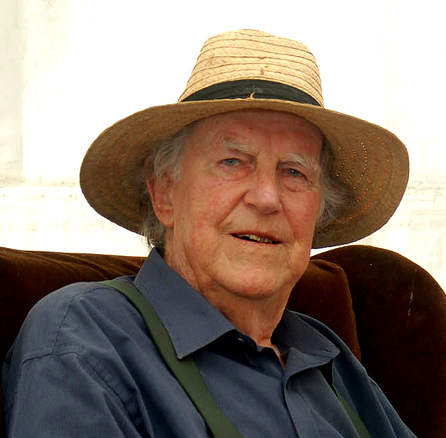


Early life and development
Hillary grew up in New Zealand and attended Auckland Grammar School as a youth. He developed an interest in climbing during his teens and early adult years, combining this with wartime service in the Royal New Zealand Air Force where he trained as a navigator. After the war he took part in organized expeditions to remote mountain regions, refining the technical skills and leadership experience that would later be crucial on high-altitude ascents.
The 1953 Everest expedition
Hillary and Tenzing were members of a British-led team that approached Everest from the south in Nepal. On 29 May 1953 they became the first members of that expedition to reach the summit, a milestone in the history of mountaineering and polar exploration. The ascent was made possible by years of logistical planning, route work and collaboration with local Sherpa climbers and support teams. Their partnership symbolized cooperation across cultures and the shared difficulty of high-altitude mountaineering.
Later expeditions, exploration and service
Following Everest, Hillary continued to travel and lead expeditions across the Himalayas and to polar regions. He participated in Antarctic exploration and led climbing parties on other challenging peaks. Beyond climbing, he became known for his practical humanitarian efforts in Nepal, helping to establish schools, medical facilities and local infrastructure through organizations he supported or founded. His work aimed to improve living conditions for mountain communities and to strengthen ties between New Zealand and Nepal.
Honors, public life and legacy
Hillary received many national and international honors for his achievements and public service, including a knighthood. He remained a prominent public figure in New Zealand for decades: he appeared on the nation’s currency and served as a symbol of exploration and civic duty. His legacy endures in mountaineering history, in the institutions and projects he helped establish in the Himalayas, and in the example he set of combining adventurous spirit with long-term humanitarian commitment.
- Major achievement: First confirmed summit of Mount Everest (29 May 1953) with Tenzing Norgay.
- Background: New Zealand upbringing and schooling at Auckland Grammar School.
- Exploration: Expeditions in the Himalayas and polar regions; involvement with Sherpa communities (Sherpa links).
- Humanitarian work: Long-term development projects in Nepal to support education and health.
For more detailed accounts of Hillary's climbs, public service and writings, consult specialist biographies and archival collections that document his expeditions and the institutions he helped create.
Questions and answers
Q: Who was Edmund Hillary?
A: Edmund Hillary was a mountaineer and explorer from New Zealand.
Q: What is Edmund Hillary famous for?
A: Edmund Hillary is famous for being one of the first people, along with Sherpa guide Tenzing Norgay, to climb Mount Everest.
Q: When did Edmund Hillary climb Mount Everest?
A: Edmund Hillary climbed Mount Everest on 29 May 1953.
Q: What is Mount Everest?
A: Mount Everest is the tallest mountain on Earth.
Q: Where did Edmund Hillary attend school?
A: Edmund Hillary attended Auckland Grammar School during his teenage years.
Q: How many other mountains did Edmund Hillary climb after Mount Everest?
A: Edmund Hillary climbed ten other mountains after Mount Everest, all of which are also in the Himalayas.
Q: Is Edmund Hillary still alive?
A: No, Edmund Hillary passed away on 11 January 2008.
Related articles
Author
AlegsaOnline.com Edmund Hillary: New Zealand mountaineer, explorer and humanitarian Leandro Alegsa
URL: https://en.alegsaonline.com/art/118100
Sources
- library.christchurch.org.nz : Famous New Zealanders
- nzhistory.net.nz : The early years - Ed Hillary
- nzhistory.net.nz : New Zealand History online - Nga korero aipurangi o Aotearoa
- nzherald.co.nz : Authorised Hillary biography reveals private touches
- time.com : Sir Edmund Hillary: Top of the World
- timesonline.co.uk : Timesonline.co.uk dated January 11, 2008, retrieved January 12, 2008
- time.com : Sir Edmund Hillary—A visit with the world's greatest living adventurer
- magma.nationalgeographic.com : Everest: 50 Years and Counting