
Bismuth(III) oxide (Bi2O3)
An overview of bismuth(III) oxide (Bi2O3): composition, crystal forms, properties, preparation, common uses and safety considerations for this important bismuth compound.
Overview
Bismuth(III) oxide, also called bismite or bismuth trioxide, is an inorganic compound with the formula Bi2O3. It is the primary stable oxide of bismuth in the +3 oxidation state and appears as a solid with colors ranging from yellow to brown depending on form and purity. For basic identification and classification see reference.
Image gallery
4 Images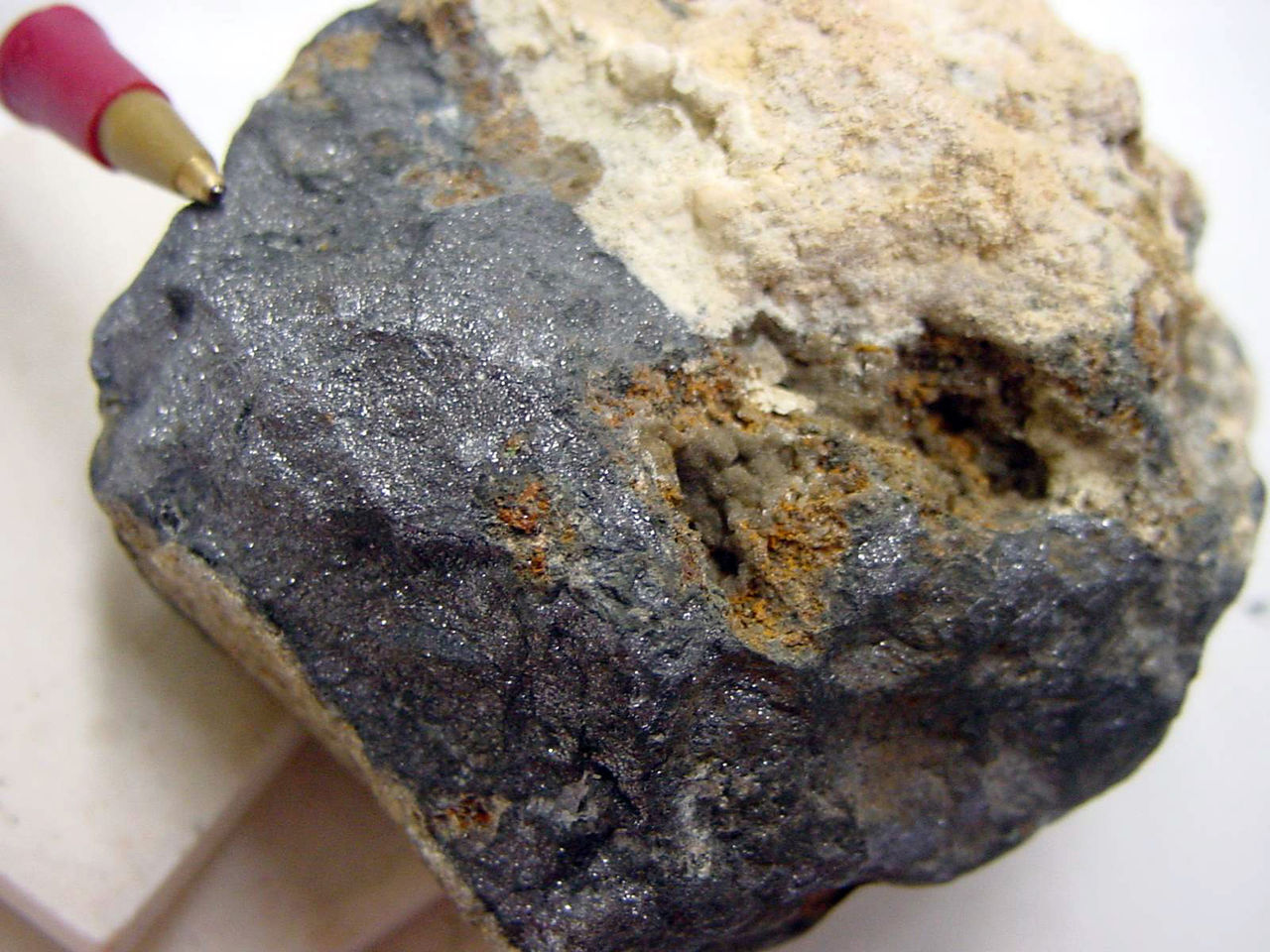
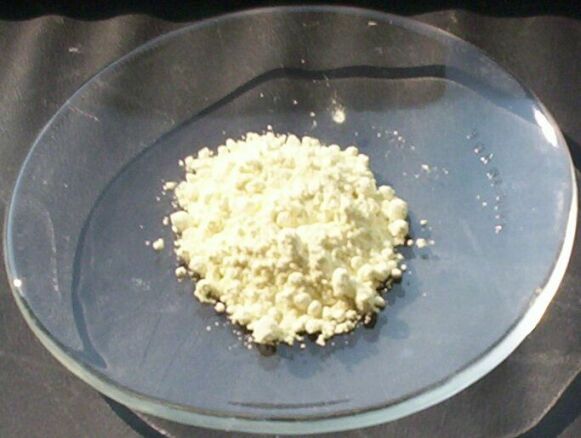


Structure and properties
Bi2O3 exists in several polymorphs: a low-temperature monoclinic form and one or more higher-temperature forms, including a fluorite-related δ-phase that shows high oxide-ion mobility. These structural variations influence optical color, density and electrical behavior. The material is largely insoluble in water, reacts with acids to give bismuth salts, and is chemically distinct because the bismuth is in the +3 oxidation state (oxidation state details).
Preparation and reactions
Commercial Bi2O3 is prepared by controlled oxidation of metallic bismuth or by thermal decomposition of bismuth salts such as nitrates or hydroxides. It reacts with acids to form soluble bismuth(III) salts and can be reduced back to the metal by strong reducing agents. Basic material and ionic constituents are discussed in technical summaries (composition, oxide chemistry).
Applications
- Ceramics and glass: used as a component to modify refractive index and melting behavior.
- Electroceramics: δ-Bi2O3 and related stabilized phases are of interest for their oxide-ion conductivity in sensors and fuel-cell research.
- Chemical precursors: a starting material for bismuth-based catalysts, pigments and pharmaceuticals research.
Safety and notable facts
Bismuth oxides are generally considered less toxic than many heavy-metal oxides, but they should be handled with standard laboratory precautions to avoid dust inhalation and skin contact. For material safety and handling guidance consult technical datasheets and regulatory sources (safety information).
For further reading and detailed data, follow curated resources: general overview, composition notes, oxide behavior, safety, electronic structure.
Questions and answers
Q: What is Bismuth(III) oxide?
A: Bismuth(III) oxide, also known as bismite and bismuth trioxide, is a chemical compound with the chemical formula Bi2O3.
Q: What are the ions present in Bismuth(III) oxide?
A: Bismuth(III) oxide contains bismuth and oxide ions in it.
Q: What is the oxidation state of bismuth in Bismuth(III) oxide?
A: In Bismuth(III) oxide, the oxidation state of bismuth is +3.
Q: What is the formula for Bismuth(III) oxide?
A: The chemical formula for Bismuth(III) oxide is Bi2O3.
Q: What is the chemical name for Bismuth(III) oxide?
A: The chemical name for Bismuth(III) oxide is bismite.
Q: What is the abbreviation for Bismuth(III) oxide?
A: There is no commonly used abbreviation for Bismuth(III) oxide.
Q: What is the nature of the compound molecule of Bismuth(III) oxide?
A: The compound molecule of Bismuth(III) oxide is composed of two bismuth atoms and three oxygen atoms.
Related articles
Author
AlegsaOnline.com Bismuth(III) oxide (Bi2O3) Leandro Alegsa
URL: https://en.alegsaonline.com/art/11809