
Bisphenol A (BPA): chemistry, uses, health concerns and regulation
Summary of bisphenol A (BPA): its chemistry and industrial uses, exposure routes, health and environmental concerns, regulatory actions and practical measures to reduce contact.
Overview
Bisphenol A, commonly abbreviated as BPA, is an industrial organic molecule built from two phenolic rings connected by a bridging group. As an organic compound it contains two phenol functional sites that participate in condensation reactions; for a basic chemical framing see functional group. Its structure makes it a useful monomer for producing a range of durable polymers and coatings.
Image gallery
6 Images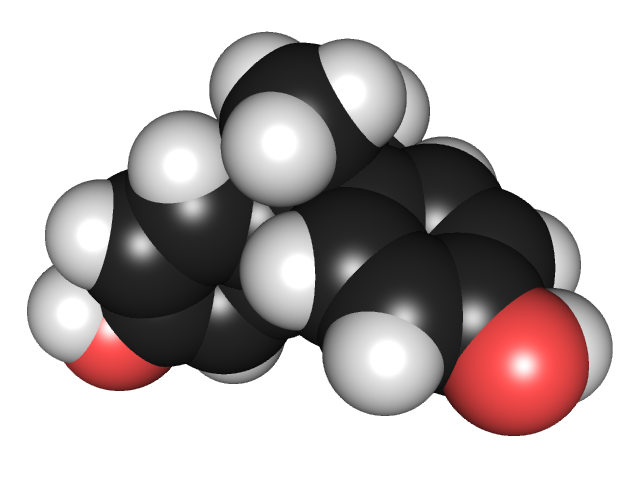


Chemistry and production
BPA is produced by the condensation of phenol with acetone under acid catalysis and then used as a building block in polymer chemistry. The reactivity of its two phenolic sites enables formation of long-chain and cross-linked materials. Production is undertaken on an industrial scale in multiple countries to meet demand for polycarbonate and epoxy precursors; manufacturing and process control influence material purity and downstream uses.
Physical properties and uses
BPA-derived polymers have valued properties: polycarbonate plastics provide transparency and impact resistance, while epoxy resins form protective and adhesive coatings. Common applications include reusable water bottles, optical media, some medical and laboratory equipment, and internal linings of metal cans. Consumer and regulatory discussions often link BPA with polycarbonate plastic and epoxy resins, which are the principal commercial uses.
Routes of exposure and vulnerable populations
Humans are mainly exposed to BPA through dietary intake when small amounts migrate from food-contact materials or can linings into food and beverages. Other routes include thermal paper receipts, household dust, and occupational settings. Infants and young children are often considered more vulnerable because of higher intake relative to body weight and developmental sensitivity; exposure during prenatal and early postnatal windows is a focus of research.
Biological activity and health concerns
Laboratory studies have shown that BPA can interact with hormonal signaling pathways and can elicit weak hormone-like activity, including effects similar to oestrogen. This endocrine activity has motivated toxicological and epidemiological studies examining reproductive, developmental and metabolic outcomes. Results vary by study design, dose, timing of exposure and species, and interpretation of low‑dose effects remains an active scientific discussion.
Regulatory responses and guidance
Regulatory agencies have reviewed BPA evidence and taken differing actions. For example, the United States Food and Drug Administration issued reviews and statements about potential risks to fetuses, infants and young children (FDA). Canada declared BPA a toxic substance in 2010 and implemented restrictions in some products. The European Union and other jurisdictions have restricted BPA in items intended for infants, such as baby bottles, and continue to reassess tolerable exposure levels as new data emerge.
Alternatives and mitigation
Industry and consumers have adopted measures to reduce potential exposure. Practical steps include using glass or stainless steel for food and drinks, choosing products labeled "BPA-free", avoiding heating food in certain plastic containers, and minimizing handling of thermal receipts. Manufacturers may replace BPA with related monomers in some applications, but substitutes require independent safety evaluation because analogues can have different biological properties.
Environmental fate and monitoring
BPA is released to the environment from manufacturing, product use and disposal. It can be found in wastewater, surface waters and sediments; environmental concentrations and persistence depend on local release patterns and treatment. Monitoring programs and analytical methods can measure BPA in environmental and biological samples to support exposure assessment and regulatory decisions.
Scientific debate and outlook
Research continues into low-dose effects, developmental windows of susceptibility, and the comparative safety of alternatives. While many agencies consider typical adult dietary exposures to be low relative to established reference values, precautionary measures for infants and pregnant people have been widely adopted in several regions. Ongoing studies and pooled reviews aim to clarify dose–response relationships and inform future regulatory action.
Practical advice
- Prefer glass or stainless steel containers for hot liquids and infant feeding.
- Avoid microwaving food in unclear plastic containers and discard heavily scratched plastics.
- Limit handling of thermal paper receipts and wash hands before eating if contact occurs.
- Rinse canned foods before heating to reduce surface residues where practical.
This summary synthesizes widely reported aspects of BPA: its chemistry, principal applications, routes of exposure, regulatory milestones and steps consumers can take to reduce contact. For detailed regulatory texts and primary scientific literature consult relevant agency reviews linked in the text.
Questions and answers
Q: What is Bisphenol A (BPA)?
A: Bisphenol A (BPA) is an organic compound with two phenol functional groups.
Q: What are the uses of BPA?
A: BPA is used to make polycarbonate plastic, epoxy resins, and other things.
Q: How do people and animals react to BPA?
A: People and animals react to BPA in the same way that they react to hormone, resulting in oestrogen-like effects.
Q: Why did some stores stop selling products made with BPA?
A: Some stores stopped selling products made with BPA in 2008 because government reports indicated that BPA was not safe for humans.
Q: What did a 2010 report from the United States Food and Drug Administration (FDA) say about contact with BPA?
A: The report stated that contact with BPA could hurt fetuses (unborn children), infants, and young children.
Q: What did Canada declare about BPA in September 2010?
A: Canada became the first country to declare that BPA was a toxic substance.
Q: Where can BPA not be used in baby bottles?
A: In the European Union and Canada, BPA cannot be used to make baby bottles.
Related articles
Author
AlegsaOnline.com Bisphenol A (BPA): chemistry, uses, health concerns and regulation Leandro Alegsa
URL: https://en.alegsaonline.com/art/11819
Sources
- fda.gov : "Update on Bisphenol A for Use in Food Contact Applications: January 2010"
- gazette.gc.ca : gazette.gc.ca/rp-pr/p2/2010/2010-10-13/pdf/g2-14421.pdf
- theglobeandmail.com : "Canada first to declare bisphenol A toxic"
- reuters.com : EU to ban Bisphenol A in baby bottles in 2011
- iupac.org : "Critical evaluation of observed adverse effects of endocrine active substances on reproduction and development, the immune system, and the nervous system"
- doi.org : 10.1351/pac200375112099
- ncbi.nlm.nih.gov : "Direct evidence revealing structural elements essential for the high binding ability of bisphenol A to human estrogen-related receptor-gamma"
- doi.org : 10.1289/ehp.10587
- pubmed.ncbi.nlm.nih.gov : 18197296
- jama.ama-assn.org : "Bisphenol A and Risk of Metabolic Disorders"
- doi.org : 10.1001/jama.300.11.1353
- pubmed.ncbi.nlm.nih.gov : 18799451
- ec.gc.ca : Draft Screening Assessment for The Challenge Phenol, 4,4' -(1-methylethylidene)bis- (Bisphenol A)Chemical Abstracts Service Registry Number 80-05-7.
- ehponline.org : "Does Rapid Metabolism Ensure Negligible Risk from Bisphenol A?"