
Eadweard Muybridge: Pioneer of Motion Photography and Early Cinematic Projection
English photographer Eadweard Muybridge (1830–1904) advanced high-speed sequential photography and the zoopraxiscope, documenting human and animal locomotion and shaping early film, biomechanics, and visual studies.
Eadweard Muybridge (9 April 1830 – 8 May 1904) was an English-born photographer best known for breaking motion into a sequence of still images and for devising early projection devices. He is widely regarded as a key figure in the transition from single photographic images to recorded sequences that suggest continuous movement. Many sources note he adopted the distinctive spelling "Eadweard Muybridge" later in life.
Image gallery
10 Images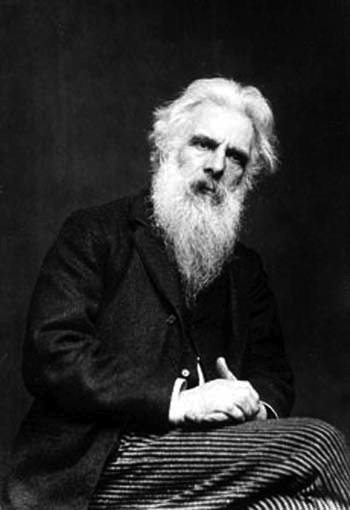


Techniques and experiments
Muybridge developed practical methods to capture rapid motion: arrays of timed shutters, multiple cameras triggered in sequence, and fast exposures on glass plates. These methods allowed him to resolve events too quick for the eye to follow. He also invented the zoopraxiscope, an optical device that projected images in rapid succession to recreate motion on a screen and anticipate later film projection systems. His experiments are often cited as foundational to chronophotography and early cinema.
Major projects and subjects
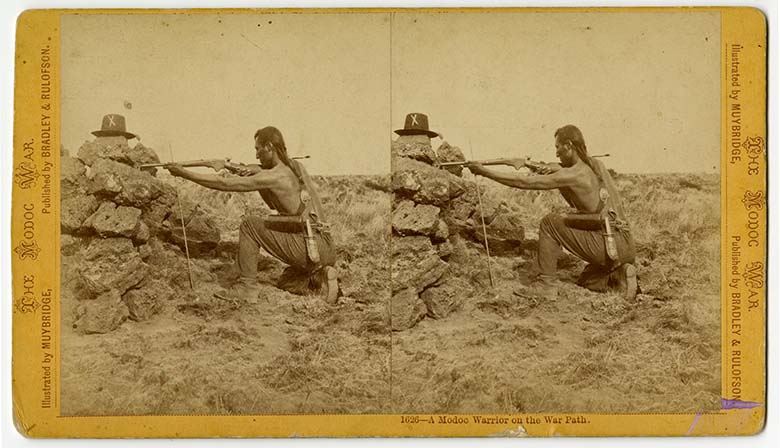
During his career he produced a variety of work, from landscapes to ethnographic portraits and scientific studies. In California he built a reputation for dramatic vistas while living in San Francisco, notably many views of the Yosemite Valley. He also made photographic studies of the Tlingit people in Alaska and was later appointed to document military operations such as the Modoc War. His most famous commission, carried out for Leland Stanford, produced sequential images of a galloping horse that settled a debated question about whether all four hooves leave the ground during a run — a result widely publicized as "The Horse in Motion." He is described in many accounts as a photographic pioneer in the field of motion study.
Controversy and personal life
Muybridge's personal life included a dramatic legal episode: in 1874 he shot and killed Major Harry Larkyns, whom he believed to have been his wife's lover. He stood trial and was acquitted; the jury accepted a defense that is often recorded as justifiable homicide. His background included family origins of partial Dutch descent and a change of his birth name in adulthood, details that appear in many biographical summaries.
Legacy and influence
Working at the intersection of art and science, Muybridge influenced photographers, filmmakers, animators, and researchers in human and animal biomechanics. His sequential plates, public lectures, and projected demonstrations helped popularize the study of motion and anticipated technical and aesthetic developments in motion pictures. Collections of his images continue to be studied for their visual clarity and scientific value.
- Notable projects: Yosemite landscapes, Modoc War documentation, Tlingit portraits, the horse locomotion studies.
- Innovations: multi-camera sequencing, timed shutters, the zoopraxiscope.
- Impact: early cinema technology, visual science, animation and biomechanics.
Muybridge's work remains a frequent reference point when discussing the origins of cinematography and the use of photography as a tool for scientific observation and public demonstration.
Related articles
Author
AlegsaOnline.com Eadweard Muybridge: Pioneer of Motion Photography and Early Cinematic Projection Leandro Alegsa
URL: https://en.alegsaonline.com/art/117997
Sources
- csmonitor.com : "Did Eadweard J. Muybridge get away with murder?"