
Earl Blumenauer — U.S. Representative and Advocate for Sustainable Cities
Earl Blumenauer (born 1948) is a Democratic U.S. Representative for Oregon's 3rd district since 1996, known for advocacy of cycling, sustainable transportation, urban planning, and drug policy reform.
Overview
Earl Blumenauer (born August 16, 1948) is an American politician who has represented Oregon's 3rd congressional district in the U.S. House since 1996. He is a member of the Democratic Party and represents a district that contains much of Portland. His long tenure in Congress has been defined by an emphasis on urban policy, transportation alternatives and sustainability.
Image gallery
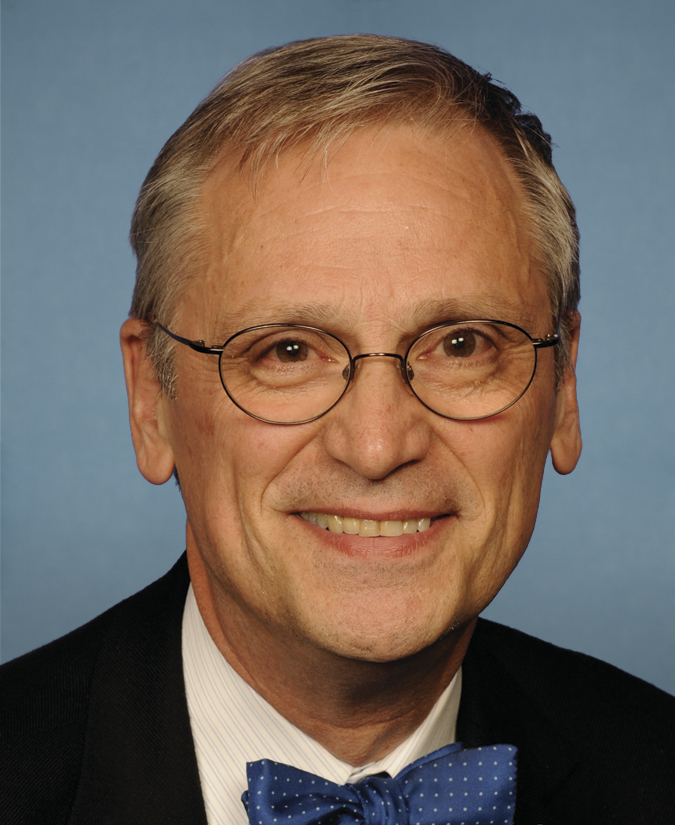
4 Images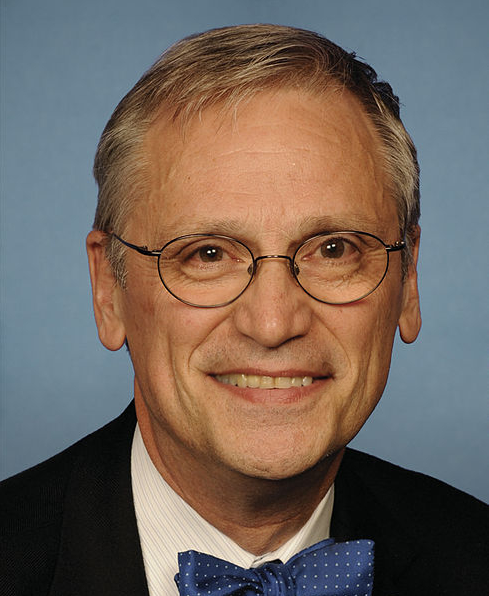


Early career and local service
Before entering Congress, Blumenauer was active in state and local government, where he developed an interest in land use planning and transit-oriented development. His background in municipal issues shaped a pragmatic approach to federal policy, emphasizing how national decisions affect cities and neighborhoods.
Congressional work and roles
As the U.S. Representative for Oregon's 3rd district (Representative for Oregon's 3rd), Blumenauer has worked on legislation related to transportation funding, urban infrastructure and public health. He has participated in congressional groups focused on sustainable mobility and has sponsored or supported bills that promote safer streets, expand transit options and encourage alternatives to single-occupancy driving.
Policy focus and caucuses
- Transportation and bicycling: an outspoken advocate for bicycle-friendly cities and active transportation.
- Urban planning: interest in land use, affordable housing and walkable neighborhoods.
- Drug policy reform: long-term supporter of changes to marijuana policy and criminal-justice reform.
- Environmental sustainability: supports measures to reduce emissions and increase public transit.
Significance and notable facts
Blumenauer is widely recognized for bringing attention to how transportation and land-use choices affect urban quality of life. He has helped build bipartisan interest in cycling and transit issues at the federal level, and his work connects local planning priorities to national funding and regulatory tools. While best known for his focus on sustainable cities, he also engages on broader fiscal and health matters that affect his constituents.
For more detail on current initiatives and committee assignments, consult official congressional resources or his public statements.
Related articles
Author
AlegsaOnline.com Earl Blumenauer — U.S. Representative and Advocate for Sustainable Cities Leandro Alegsa
URL: https://en.alegsaonline.com/art/118002
Sources
- bioguide.congress.gov : "Earl Blumenauer"