
Yosemite Valley: Glacial Core of Yosemite National Park
Yosemite Valley is a glacially carved valley in California's Sierra Nevada, famed for granite cliffs, waterfalls such as Yosemite Falls, rich ecology, Native American history, and world-class climbing and tourism.
Overview
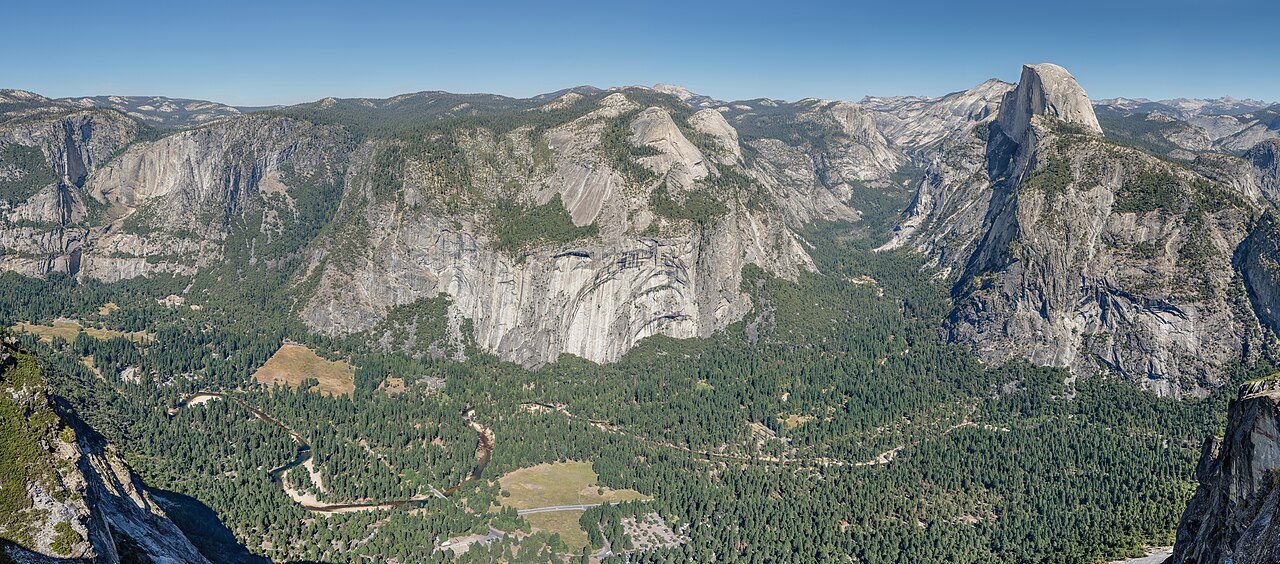
Yosemite Valley is a U-shaped glacial valley located within Yosemite National Park on the western slope of California's Sierra Nevada. Roughly 7.5 miles long and plunging some 3,000–3,500 feet below the surrounding rim, the valley concentrates many of the park's most renowned sights and draws the majority of its visitors. It lies roughly 150 miles east of San Francisco, accessible by paved roads and several trailheads into higher country.
Image gallery
10 Images




Geology and landscape
The valley was sculpted by repeated glaciation during the Ice Ages. Massive glaciers deepened and widened an existing river canyon, exposing extensive granite bedrock and producing the sheer cliffs that define the valley's profile. Iconic granite features such as El Capitan and Half Dome are the product of uplift, jointing, and erosion that left large, vertical monoliths. The Merced River runs along the valley floor, feeding meadows, wetlands and a sequence of waterfalls.
Notable features
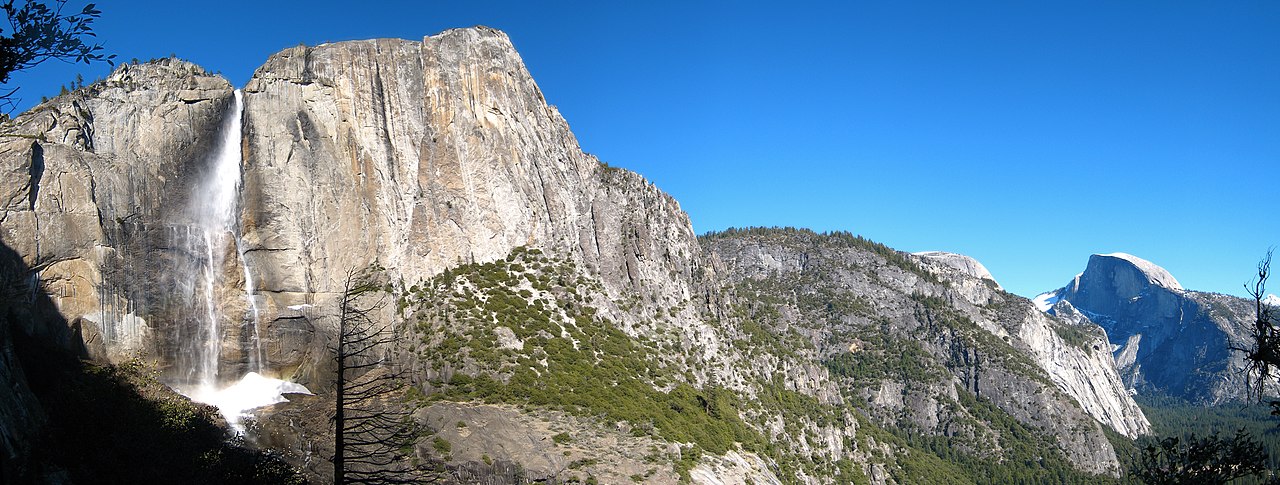
- Yosemite Falls — often cited as the tallest waterfall in North America, most spectacular in spring runoff.
- El Capitan — a massive vertical granite face famous among rock climbers.
- Half Dome — a distinctive dome-shaped granite formation visible from many valley viewpoints.
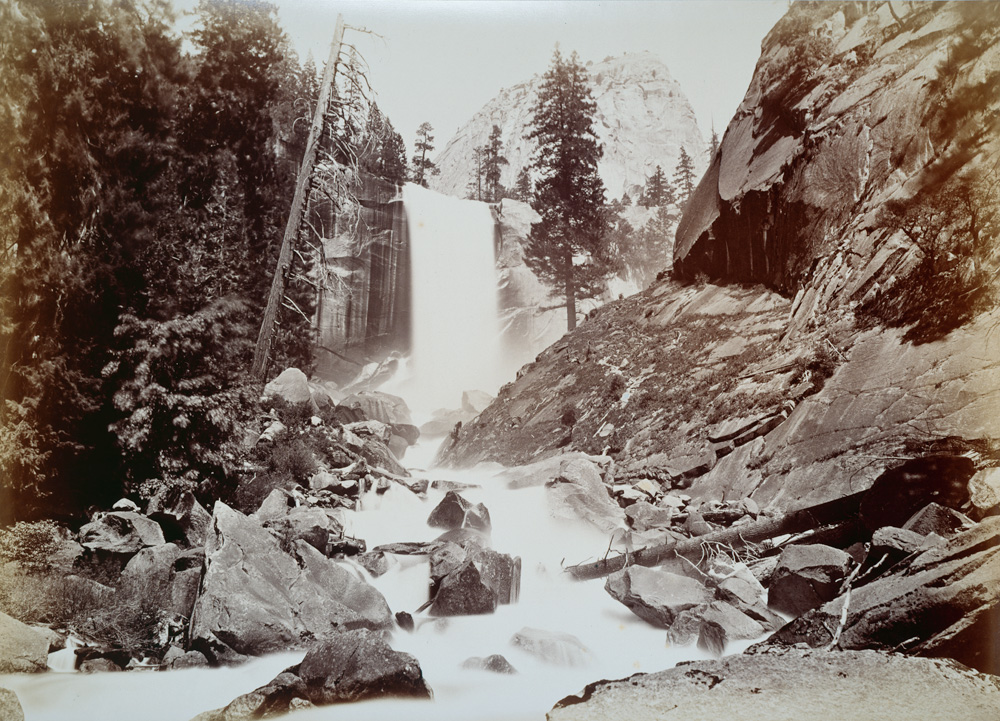
- Bridalveil Fall and Valley meadows — other prominent scenic elements along the valley floor.
History and cultural significance
Long before Euro-American visitors, Indigenous peoples—often identified in historical sources as Miwok and Paiute groups, including the Ahwahnechee—lived in and managed the valley landscape. In the 19th century the area attracted artists, photographers and naturalists; conservation advocates such as John Muir helped persuade legislators and the public to protect the region. Yosemite's central valley has played a pivotal role in the development of the U.S. national park idea and was part of the territory set aside for public protection as Yosemite became a national park in the late 19th century.
Ecology, recreation and management
The valley supports mixed conifer forests, riparian habitats and seasonal meadows that host a range of wildlife and plant communities. It is a magnet for hikers, climbers, photographers and educational groups. Popular activities include day hikes, river strolls, multi-day backpacking into the high country, and technical big-wall climbing. Park managers balance heavy visitation with conservation goals through zoning, seasonal closures, shuttle services and trail maintenance to protect sensitive areas and cultural resources.
Why Yosemite Valley matters
Yosemite Valley is both a geological classroom and a cultural symbol: its dramatic cliffs and waterfalls have inspired scientific study, artistic depiction and outdoor recreation for well over a century. As the focal point of a national park, the valley continues to shape ideas about wilderness, stewardship and outdoor public access while remaining an internationally recognized natural landmark.
Related articles
Author
AlegsaOnline.com Yosemite Valley: Glacial Core of Yosemite National Park Leandro Alegsa
URL: https://en.alegsaonline.com/art/109979