
Denis Diderot: French Enlightenment Philosopher and Encyclopedist
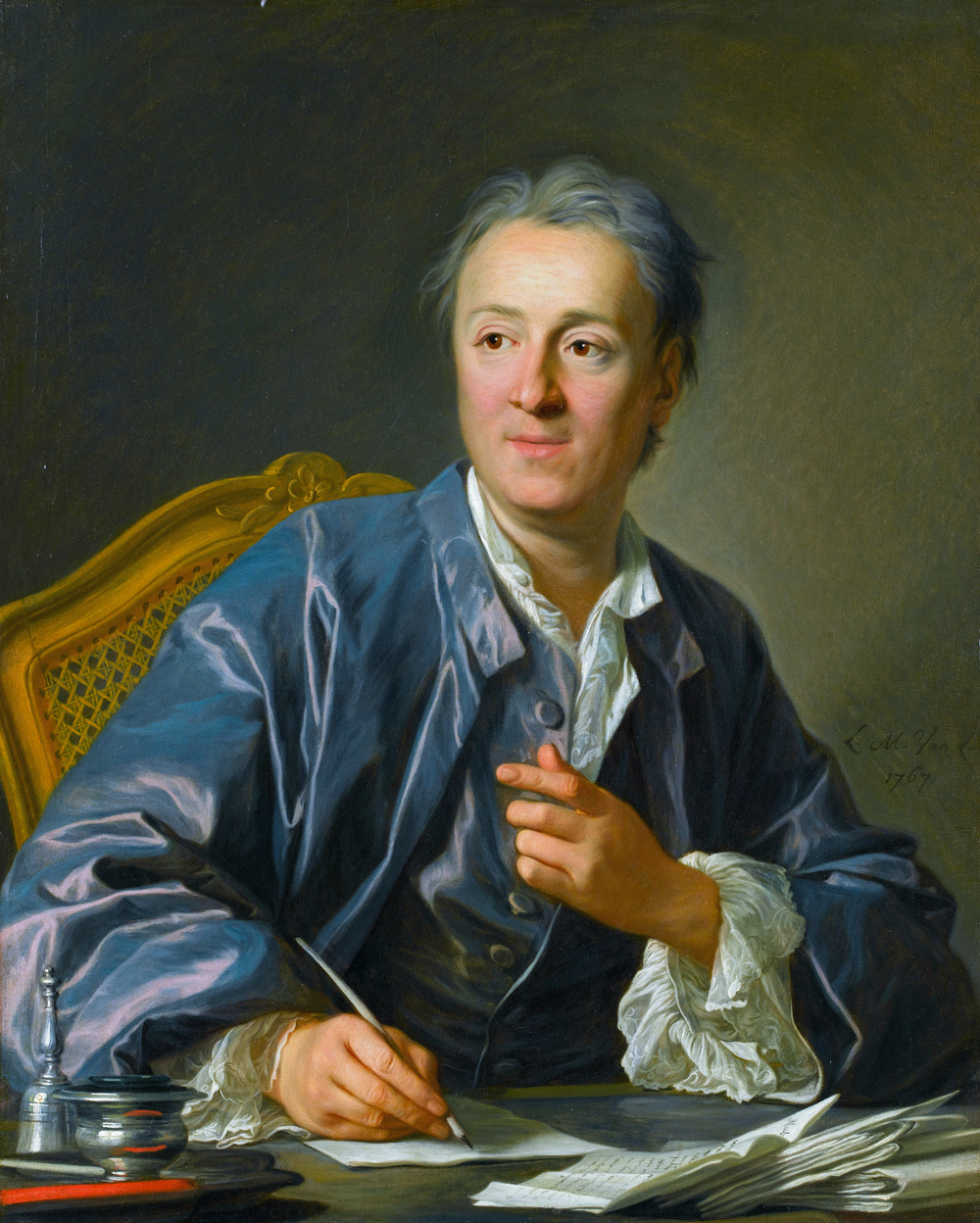
Denis Diderot (1713–1784) was a French philosopher, writer and art critic who co‑founded and edited the Encyclopédie. He influenced Enlightenment thought, literature and criticism through essays, fiction and editorial work.
Denis Diderot (1713–1784) was a central figure of the European Enlightenment: a philosopher, critic and man of letters whose intellectual activity spanned philosophy, literary experiment and art criticism. He is best known for his leadership of the Encyclopédie project, which sought to gather and systematize human knowledge and to challenge established authority through accessible articles and commentary. His work combined skeptical inquiry, materialist tendencies and a taste for lively, dialogued prose.
Diderot served as co‑founder and chief editor of the Encyclopédie, working with collaborators to commission, organize and sometimes write articles that addressed science, crafts, arts, politics and religion. The project aimed at making technical and philosophical knowledge available beyond elite circles and became a focal point of debate about censorship, innovation and the public use of reason. His role as an editor demanded negotiation with authors, printers and authorities while shaping the tone and orientation of the volumes.
Beyond editorial work, Diderot wrote fiction, plays and philosophical essays that blurred genres. His novels and dialogues often stage arguments about freedom, determinism and moral experience, while his art criticism—published as reviews of official exhibitions—helped develop modern standards for judging visual art. He approached criticism with attention to feeling and technique, arguing that art bears social as well as aesthetic significance. For his views and some controversial publications he encountered legal pressure and temporary suppression.
Image gallery
10 Images




Major themes and contributions
- Encyclopedic method: systematizing specialized knowledge and promoting critical, secular approaches to learning.
- Philosophical outlook: emphasis on empirical observation, materialist explanations and moral inquiry presented in conversational formats.
- Literary innovation: experiments in narrative voice and mixed genres that influenced later novelists and essayists.
- Art criticism: practical and theoretical commentary that helped professionalize public evaluation of the visual arts.
Selected works include philosophical dialogues and novels along with thousands of encyclopedia entries. His better known writings are represented by pieces that combine travel, moral reflection and social criticism. Diderot also corresponded with other leading intellectuals and with patrons abroad; notable exchanges and arrangements with a Russian sovereign resulted in support for some of his later work.
Legacy: Diderot's insistence on the circulation of ideas, his editorial craftsmanship, and his capacity to merge philosophical argument with literary form made him a lasting influence on modern secular thought, literary realism and the institutions of criticism. He died in Paris in 1784 from a pulmonary condition, leaving a corpus that shaped debates on knowledge, art and liberty in the decades that followed.
For more on his editorial role and articles, see the Encyclopédie project and writings on art criticism: Encyclopédie, art criticism. For broader context of his intellectual era consult materials on the Enlightenment.
Related articles
Author
AlegsaOnline.com Denis Diderot: French Enlightenment Philosopher and Encyclopedist Leandro Alegsa
URL: https://en.alegsaonline.com/art/117507