
Deanna Durbin — Canadian-born actress and singer
Deanna Durbin (1921–2013) was a Canadian soprano and film star of 1930s–40s Hollywood musicals, known for her operatic-trained voice, box-office appeal, early partnership with Judy Garland, and long private retirement in France.
Overview
Deanna Durbin (born Edna Mae Durbin, December 4, 1921) was a Canadian-born singer and actress who rose to prominence in Hollywood musical films of the late 1930s and 1940s. Trained in classical and popular styles, she became notable for a clear, youthful soprano and screen persona that combined charm with vocal craftsmanship. For context and further biographical detail see biographical sources.
Image gallery
3 Images

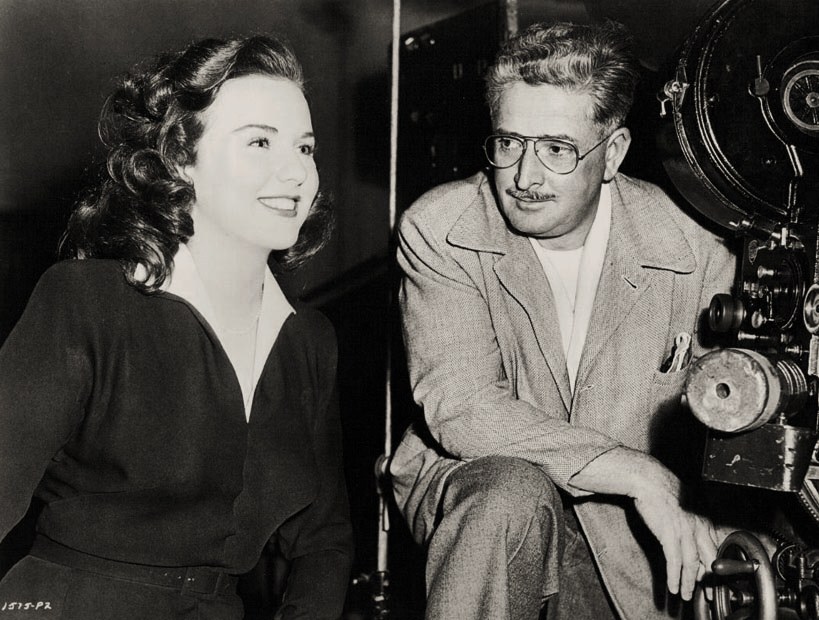
Career and style
Durbin began performing as a child and attracted studio attention with a 1936 short that paired her with a young Judy Garland, titled Every Sunday. She quickly moved to feature films and became a leading box-office draw in light operetta-style pictures and musical comedies. Critics and audiences praised her for bringing trained vocal technique to popular cinema, often singing classical arias alongside contemporary standards.
Her repertoire and on-screen persona helped studios market wholesome family entertainment during the depression and wartime years. Producers frequently built films around her singing, making her one of the era’s most reliable attractions and leading to wider recognition for the musical-comedy form.
Selected films
- Three Smart Girls (late 1930s) — an early breakthrough that showcased her appeal
- One Hundred Men and a Girl — a high-profile musical project featuring orchestral collaboration
- It Started with Eve and other romantic musical comedies of the early 1940s
Personal life and retirement
Born in Manitoba, Manitoba, Canada, Durbin later left Hollywood at the height of her popularity. She married director-producer Charles David in 1950 and settled in Europe, living many years near Paris. She largely avoided the public eye for decades, preferring a private life and declining most interviews.
Death and legacy
Public announcements in 2013 reported that Durbin had died in April of that year while living in or near France. Official records indicate an April 17 date of death, with the news made public later in the month. The cause of death was not widely disclosed. Historians and fans remember her for a distinctive crossover of classical training and popular entertainment and for shaping the sound of studio-era musical films.
Notable facts
Durbin’s career is often cited as influential in demonstrating how a vocalist with classical technique could achieve mainstream cinematic popularity. Her early success helped studios recover financially during difficult years, and her recordings and films remain points of reference for students of vocal performance and early Hollywood musicals.
Related articles
Author
AlegsaOnline.com Deanna Durbin — Canadian-born actress and singer Leandro Alegsa
URL: https://en.alegsaonline.com/art/117421