
Dean Acheson: U.S. Secretary of State and Architect of Early Cold War Policy
Dean Acheson, U.S. Secretary of State (1949–53), architect of early Cold War strategy—shaped NATO and Marshall Plan-era policies, led containment of Soviet influence, and helped define postwar American diplomacy.
Dean Gooderham Acheson (April 11, 1893 – October 12, 1971) was an American lawyer and statesman, associated with the Democratic Party. He is best known for serving as United States Secretary of State in President Harry S. Truman’s administration and for helping to shape U.S. foreign policy in the early Cold War.
Image gallery
8 Images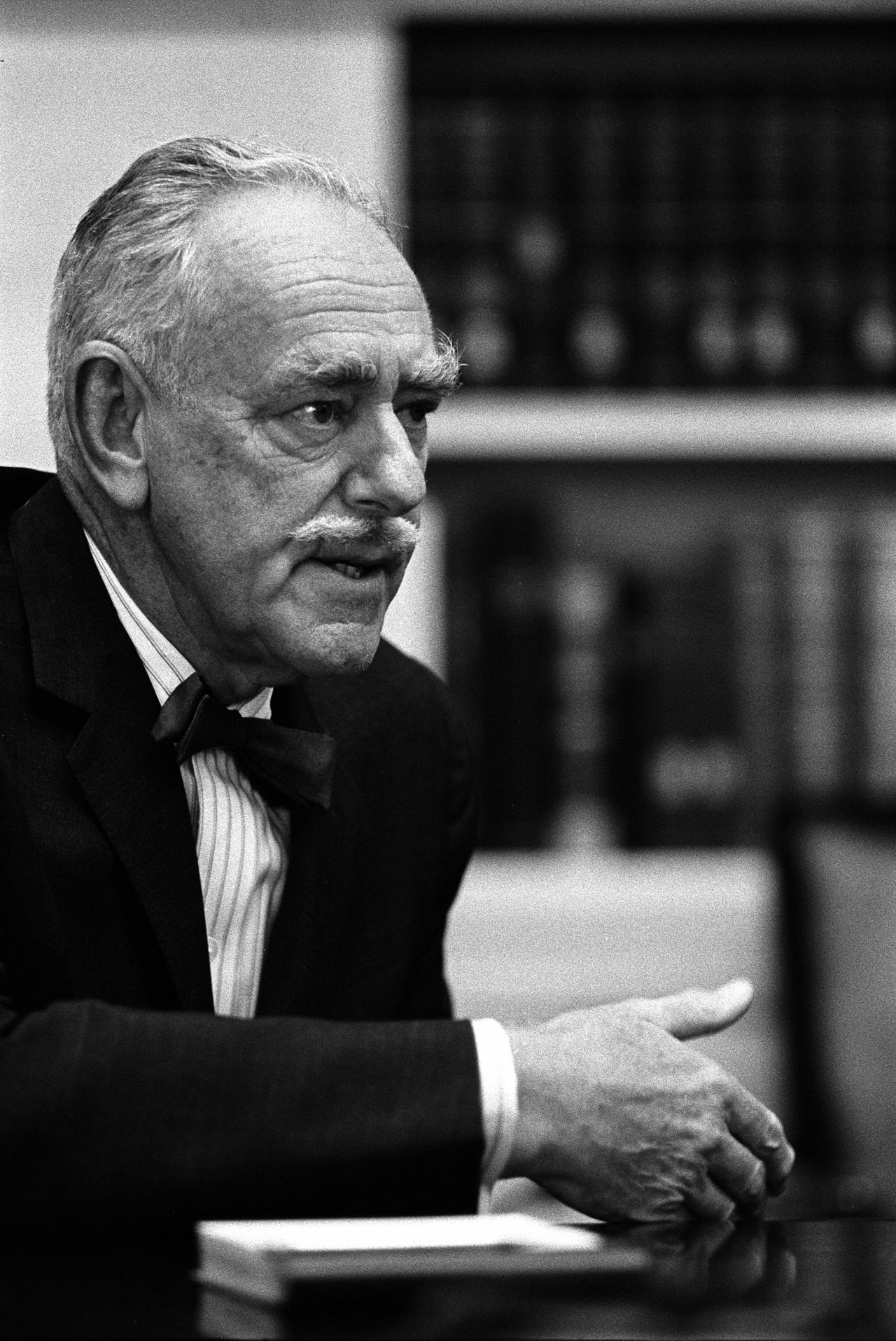


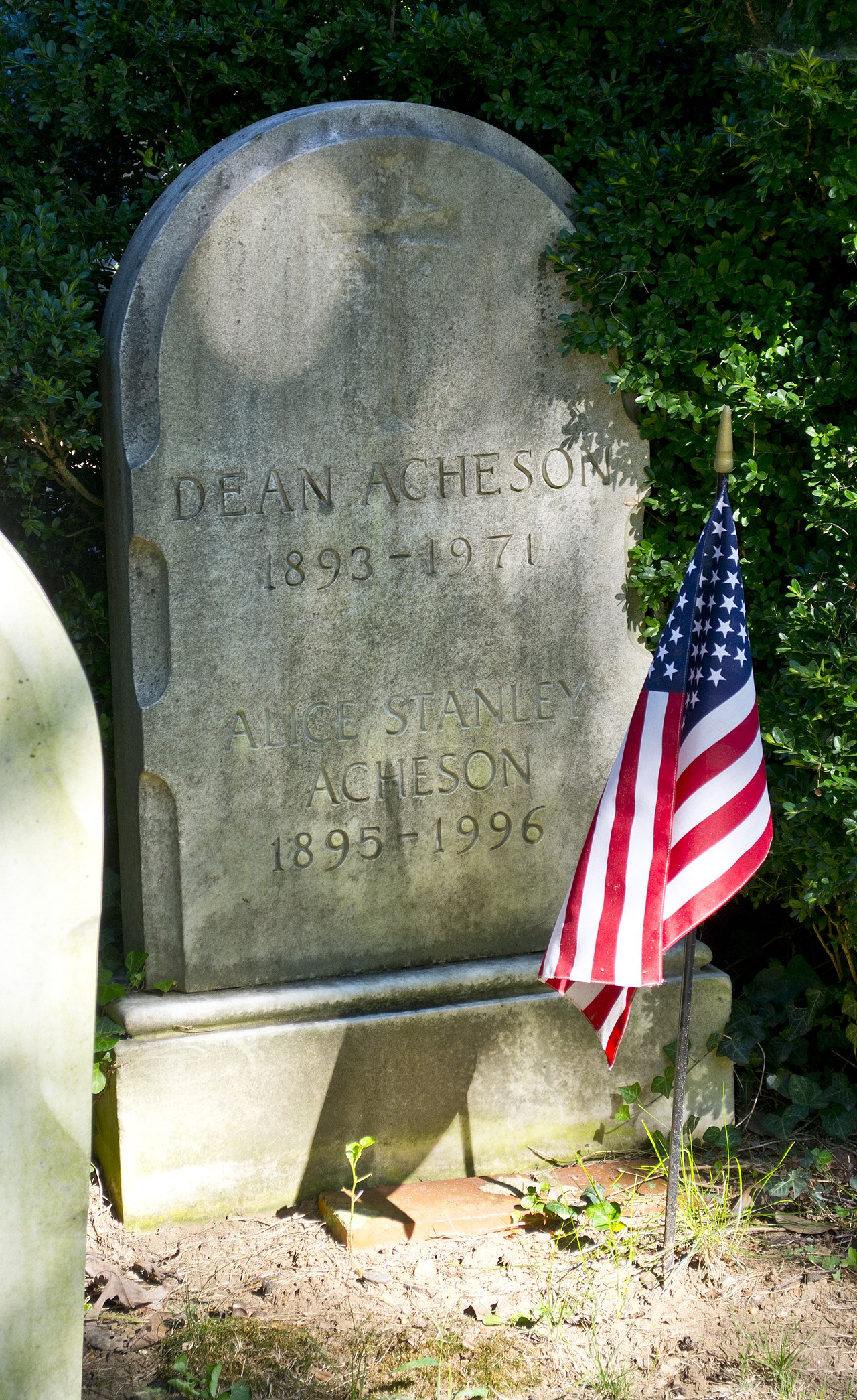


Early life and education
Acheson was born in 1893 and prepared for a career in law and public service through advanced schooling and legal training. He completed undergraduate and law studies before entering private practice and later government service. His legal background provided the foundation for work that combined diplomacy, administration, and public affairs.
Government career
After working as an attorney, Acheson moved into public service and held a series of senior posts in the State Department. In 1949 he became Secretary of State and remained in that post until 1953. During his tenure he played a central role in developing U.S. responses to the political and security challenges that emerged after World War II.
- He supported economic and political programs to help rebuild Western Europe and to integrate allied economies and defenses.
- He helped advance cooperative security arrangements among Western nations and was closely involved in the early years of NATO.
- Acheson was a prominent advocate of policies that aimed to limit Soviet influence and to sustain Western alliances, a posture often described as part of the broader strategy of containment.
- He guided the State Department through crises of the era, including events connected to the outbreak of the Korean War.
Later life and writings
After leaving public office, Acheson returned to private life and to legal and financial work while remaining an active commentator on foreign affairs. He published memoirs and reflections on his years in government; among his better-known books is a detailed memoir about the formation of postwar American policy-making. He continued to influence foreign policy debates until his death in 1971.
Reputation and legacy
Acheson is remembered as one of the leading American foreign-policy officials of the mid-20th century. Historians and analysts point to his role in shaping institutions and policies that defined the transatlantic relationship and the U.S. approach to the Cold War. His career is often cited in studies of diplomacy, alliance-building, and the use of economic assistance as an instrument of foreign policy.
Questions and answers
Q: Who is Dean Gooderham Acheson?
A: Dean Gooderham Acheson was an American statesman and lawyer.
Q: What was Dean Acheson's political affiliation?
A: Dean Acheson was a member of the Democratic Party.
Q: When was Dean Acheson born?
A: Dean Acheson was born on April 11, 1893.
Q: When did Dean Acheson die?
A: Dean Acheson passed away on October 12, 1971.
Q: What was Dean Acheson's profession?
A: Dean Acheson was both a statesman and a lawyer.
Q: How do you pronounce Dean Acheson's last name?
A: You pronounce Dean Acheson's last name as /ˈætʃɪsən/.
Q: Was Dean Acheson involved in any other fields besides politics and law?
A: The text does not mention whether Dean Acheson was involved in any additional fields besides politics and law.
Related articles
Author
AlegsaOnline.com Dean Acheson: U.S. Secretary of State and Architect of Early Cold War Policy Leandro Alegsa
URL: https://en.alegsaonline.com/art/117422
Sources
- oald8.oxfordlearnersdictionaries.com : oald8.oxfordlearnersdictionaries.com/dictionary/dean-acheson.html