
David Fincher: Filmmaker, Visual Stylist, and Director
Comprehensive profile of American director David Fincher, summarizing his life, cinematic style, major films and TV work, music videos, collaborators, and awards.
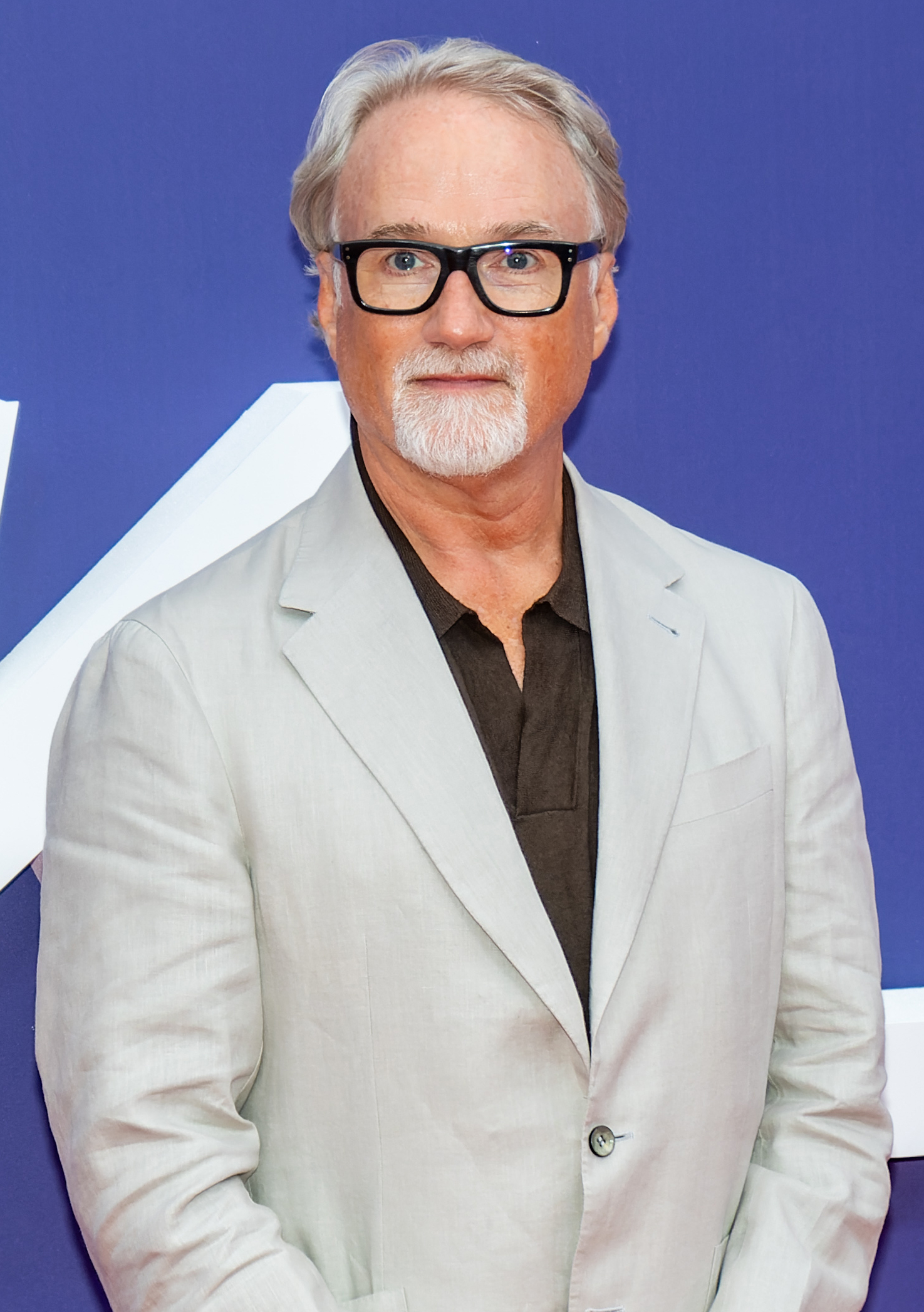
David Fincher is an American film director known for tightly controlled visual design, dark thematic material, and meticulous production methods. Born in Denver, Colorado, in 1962, he spent parts of his childhood in Denver and later moved with his family to San Anselmo and then to Ashland, Oregon. Over several decades he has worked across feature films, television and music video production, establishing a reputation for precision and technological fluency in storytelling. Many summaries describe him simply as a movie director, but his career spans more than directing credit lines; it also includes shaping sound, editing rhythm and photographic choices.
Fincher's cinematic style emphasizes dense atmosphere, cool color palettes, and a preference for digital cinematography and layered postproduction. He often explores themes of identity, obsession and social alienation, and has shown a preference for psychologically fraught protagonists. He collaborates repeatedly with a core creative team — including cinematographers, editors and composers — and has brought an exacting, studio-level approach to films that range from studio thrillers to literary adaptations. In addition to features, he has directed many commercial and music videos, building early technical expertise in short-form visual storytelling.
Image gallery
6 Images



Selected films and television
- Alien 3 (early feature work that raised Fincher into studio filmmaking)
- Seven (a defining, grim crime thriller)
- Fight Club (a cult-defining adaptation exploring masculinity and consumerism)
- The Curious Case of Benjamin Button (an ambitious, effects-driven period fable)
- The Social Network (a terse dramatization of social media origins)
- Gone Girl and The Girl with the Dragon Tattoo (literary adaptations with psychological focus)
- Television: directed the first episodes of the series House of Cards, helping set its tone and visual vocabulary
Fincher's work has attracted critical recognition and awards attention. For example, his direction of The Social Network earned him major directing prizes including a Golden Globe and a BAFTA. His films have also been nominated for multiple Academy Awards in categories ranging from technical craft to acting and screenplay; collectively, they have been important in conversations about contemporary American cinema in the 1990s and 2000s.
Outside features, Fincher directed music videos for well-known acts; one famous example is the Rolling Stones' video for "Love Is Strong," which received industry awards and helped raise his profile in the 1990s. That video and others illustrate his early mastery of mood and pacing in short form: the video for the Rolling Stones is often cited when discussing his transition from music videos to features (Love Is Strong, which later won recognition such as a Grammy Award).
Influence and legacy: Fincher is regarded as a director who brought precise visual craft and a modern, edited sensibility to mainstream storytelling. He has repeatedly embraced digital tools and postproduction techniques to achieve tightly controlled images and effects. Critics and scholars note his consistent focus on characters driven by compulsion or alienation, and his films are frequently discussed in studies of contemporary thriller and noir-influenced cinema. His collaborators — from editors to composers — have become notable creative partners in shaping his output.
Further resources
- Biography and career overview
- Television work and influence
- Early life in Denver
- Background on Colorado
- San Anselmo and upbringing
- Oregon years and education
- Alien 3 production notes
- Seven: themes and impact
- Fight Club analysis
- Benjamin Button technical aspects
- The Social Network — awards and reception
- Adaptations: Girl with the Dragon Tattoo & Gone Girl
- Music video directing credits
- Rolling Stones: Love Is Strong
- Awards connected to music videos
Related articles
Author
AlegsaOnline.com David Fincher: Filmmaker, Visual Stylist, and Director Leandro Alegsa
URL: https://en.alegsaonline.com/art/117266