
David Duvall Orr
American Democratic politician from Chicago; briefly served as acting mayor in 1987 after Harold Washington's death and is known as a longtime reform-minded city official.
Overview
David Duvall Orr (born October 4, 1944) is an American public official and member of the Democratic tradition who has spent most of his life in Chicago. Recognized as a reform-minded local leader, Orr gained wider attention in late 1987 when, by virtue of his position in the city council, he became acting mayor following the sudden death of Harold Washington. He is broadly described as a civic-minded politician with a long record of municipal service and civic advocacy.
Image gallery
2 Images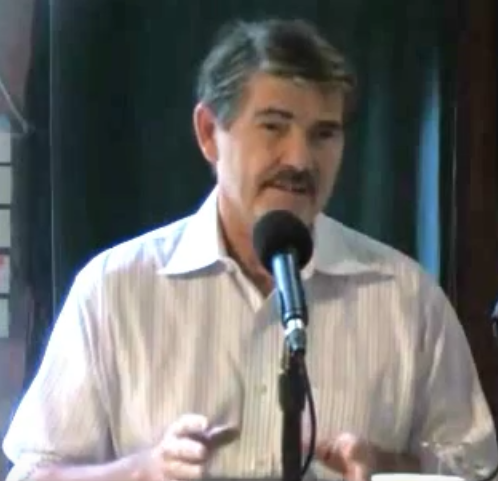
Mayoral succession and brief tenure
When Mayor Washington died in office, provisions of the city charter placed Orr in the position of interim mayor. His period as acting mayor was short-lived; the City Council soon chose another alderman to complete the term, at which point Orr returned to his council responsibilities. That episode remains a notable moment in Chicago political history because it highlighted succession rules, council politics, and debates about representation and governance during a sudden transition.
Career, priorities and activities
Orr spent decades involved in municipal government and community affairs. He was associated with efforts to increase transparency, strengthen ethics rules, and promote neighborhood-level planning. His interests have included open government, environmental stewardship, and fiscal responsibility for municipal services. Throughout his career he combined legislative work with public outreach, often emphasizing constituent services and civic participation.
Notable facts and legacy
- Orr's brief period as acting mayor followed an unexpected and historically significant vacancy in the city's highest office.
- He is remembered by many observers as part of Chicago's reform movement, advocating accountability and citizen engagement.
- The succession episode of 1987 illustrated the interplay between charter rules and political alliances in the City Council.
Personal life
Born and raised in Illinois, Orr has been based in Chicago for most of his life. He was married to Loretta Lim and the couple had four children. He has continued to live in the city and to participate in civic life, speaking and volunteering on causes aligned with good government and neighborhood interests. For further reading on his public service and the 1987 transition, see links to contemporary accounts and biographies available online, including a concise biography and local history resources.
Related articles
Author
AlegsaOnline.com David Duvall Orr Leandro Alegsa
URL: https://en.alegsaonline.com/art/117262