
David Denby: American Film Critic and Cultural Commentator
Profile of David Denby, an American film critic and writer known for his long association with The New Yorker, his critical style, education, influences, and contributions to cultural journalism.
Overview
David Denby (born 1943) is an American journalist and film critic who has written extensively on cinema and cultural life. Best known for his longtime association with The New Yorker, he belongs to a generation of critics who shaped late 20th-century film discourse. His reviews and essays combine close reading of films with attention to social and historical context.
Image gallery
2 Images
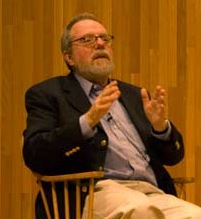
Early life and education
Denby was born in New York City in 1943. He pursued higher education at both Columbia University and Stanford University, where he studied subjects that informed his later work as a writer and critic. Those academic experiences contributed to his interest in literature, film history, and cultural criticism.
Career and critical approach
Beginning his professional work in the 1970s, Denby emerged as a prominent voice in film criticism. Over decades of reviewing and writing, he developed a reputation for clear prose, an emphasis on narrative and character, and an effort to situate films within broader artistic and social conversations. He is often discussed alongside contemporaries such as Anthony Lane, with whom he has shared editorial space.
Themes and influences
Denby has acknowledged the influence of earlier critics on his thinking, notably the outspoken reviewer Pauline Kael. His criticism frequently balances appreciation for storytelling with questions about style, technique, and cultural significance. Typical features of his writing include:
- Attention to narrative structure and acting choices
- Contextualization of films within historical and social frames
- A readable, essayistic style aimed at a general audience
Contributions and reputation
Across reviews, essays, and longer pieces, Denby has contributed to public understanding of film as an art form and as a cultural practice. His steady presence in mainstream cultural journalism helped maintain film criticism as a public conversation during periods of rapid change in the industry and media landscape.
Personal life and later work
Denby lives in Manhattan. His career reflects the intersection of literary training and journalistic practice, and his work remains a reference point for readers and writers interested in film criticism, cultural history, and the role of criticism in public life.
For further reading on contemporary film criticism and profiles of prominent critics, see general resources and archives at major publications and libraries. Additional context is available through periodical collections and institutional repositories that preserve cultural journalism from the late 20th century onward. New York City resources and university archives linked to Columbia University and Stanford University often contain relevant materials and interviews.
Readers seeking criticism in the spirit of Denby’s work may also explore pieces by peers and successors across contemporary magazines and journals, including the pages of The New Yorker and other cultural outlets. Interviews and conversations featuring Denby or about his approach can appear in archives associated with film festivals and academic programs focused on cinema studies.
Related articles
Author
AlegsaOnline.com David Denby: American Film Critic and Cultural Commentator Leandro Alegsa
URL: https://en.alegsaonline.com/art/117252
Sources
- worldleaders.columbia.edu : "Biography: David Denby"
- newyorker.com : "Contributors: David Denby"