
Pauline Kael: Influential American Film Critic
Overview of Pauline Kael (1919–2001), her career as a film critic for The New Yorker, distinctive style, influence on American film culture, and legacy.
Pauline Kael (June 19, 1919 – September 3, 2001) was a prominent American film critic whose writing shaped public debate about movies for several decades. Best known for her long tenure at The New Yorker, where she wrote from 1968 to 1991, Kael combined lively prose, strong personal feeling, and blunt judgments. Earlier in her career her reviews and essays appeared in publications such as City Lights, McCall's and The New Republic.
Image gallery
2 Images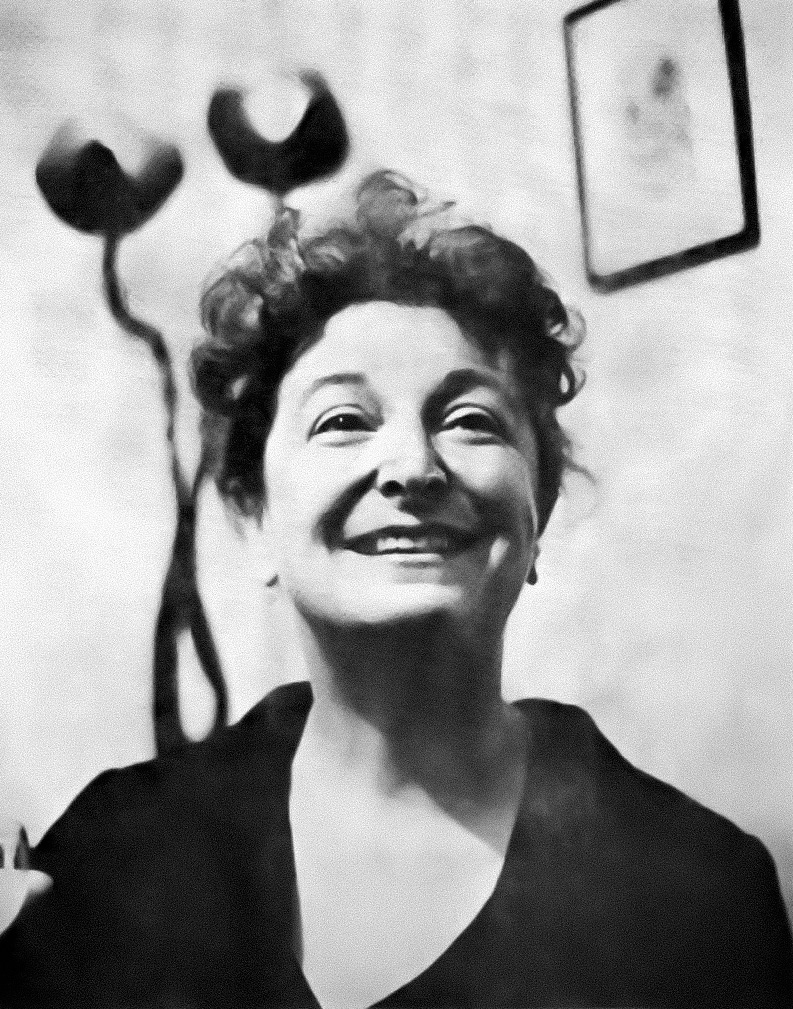

Style and approach
Kael's criticism stood out for its conversational voice, emotional immediacy, and insistence on the viewer's experience. Rather than relying on academic theory or a detached formal analysis, she wrote as a passionate moviegoer, often praising films for their energy and inventiveness and attacking those she found dull or pretentious. Her columns were known for being witty, combative, and highly opinionated, qualities that made her reviews readable to a broad audience and sometimes controversial among filmmakers and fellow critics.
Career and influence
After building a reputation in smaller outlets, Kael's arrival at The New Yorker gave her a national platform. She used that platform to champion certain directors and movements, to defend risky or unpopular films, and to critique cinematic trends she considered harmful. Her influence extended beyond readers: other critics, filmmakers, and editors acknowledged that her essays helped change the conversation around American cinema. As noted by fellow critic Roger Ebert, Kael played a major role in shaping the environment for film in America during the latter half of the twentieth century.
Characteristics and notable traits
- Vivid, direct prose that favored anecdote and impression over technical jargon.
- A willingness to be contrarian — she could praise overlooked films and savagely criticize celebrated ones.
- Frequent readers’ engagement: her columns provoked debate, letters, and spirited responses.
- A tendency to read films in moral and emotional terms, focusing on how a movie feels as much as what it means.
Legacy, controversies, and later life
Kael's career produced not only admiration but also controversy. Her forthright opinions sparked disagreements with peers and filmmakers, and some accused her of personal bias or inconsistent standards. Despite that, her collections of reviews and essays were widely read, reprinted, and used as touchstones for later generations of critics. Born in Petaluma, California, she studied at the University of California, Berkeley, and continued to be a central figure in cultural conversations about film long after leaving regular magazine work. Kael spent her final years in Great Barrington, Massachusetts; she died there in 2001 from complications of Parkinson's disease, a loss noted by colleagues and readers alike. Her life began in Petaluma and is often recounted in discussions of twentieth-century film criticism.
Why she matters
Pauline Kael remains a reference point for anyone studying the role of criticism in popular culture. She demonstrated that a critic could be both literary and accessible, influential and personal. Her work raised questions about the critic’s responsibilities to the art, the audience, and the industry, and it continues to be studied for its rhetorical force, social impact, and the passionate responses it elicited. For further reading on her essays, influence, and published collections, see contemporary retrospectives and archives listing her career milestones.
Related articles
Author
AlegsaOnline.com Pauline Kael: Influential American Film Critic Leandro Alegsa
URL: https://en.alegsaonline.com/art/75218
Sources
- concise.britannica.com : "Pauline Kael"
- boston.com : "Viewing the parcels of Pauline"
- query.nytimes.com : "Pauline Kael, Provocative and Widely Imitated New Yorker Film Critic, Dies at 82"