
David Dinkins: First African American Mayor of New York City
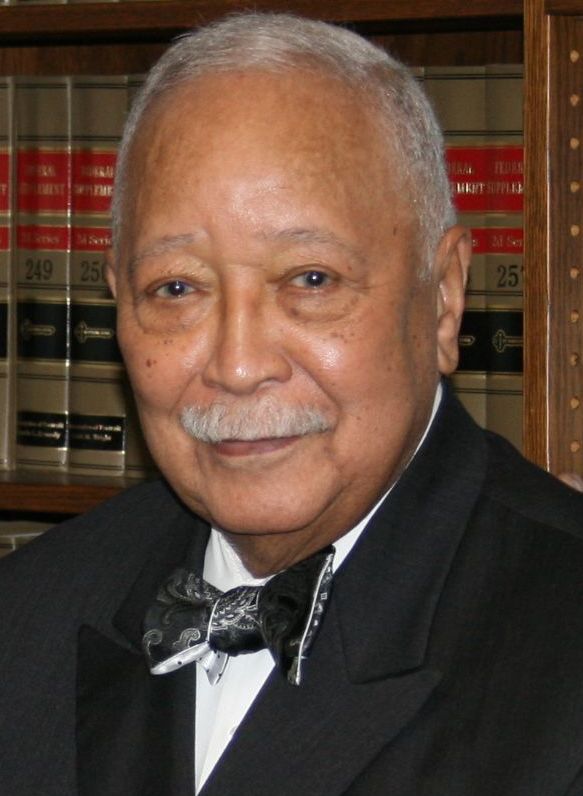
David Dinkins (1927–2020) was an American politician and civic leader who served as New York City's first African American mayor (1990–1993). His administration focused on public safety, diversity, and municipal reform.
Overview
David Norman Dinkins was an American politician and community activist best known for serving as the 106th Mayor of New York City from January 1, 1990, to December 31, 1993. He made history as the city's first African American mayor and remains a prominent figure in late 20th-century urban politics in the United States.
Image gallery
5 Images


Early life and education
Dinkins was born on July 10, 1927, in Trenton, New Jersey. He served in the U.S. military during World War II and later pursued higher education, studying at institutions including Harvard University and completing legal studies at Brooklyn Law School. His background combined academic training, military service, and long involvement in civic organizations.
Political rise and public career
Before becoming mayor, Dinkins built a long career in New York City public life, holding elected and appointed posts that raised his profile in municipal government and Democratic politics. He became known for building coalitions across diverse communities and for emphasizing inclusion in hiring and services.
Mayoral term: priorities and challenges
As mayor, Dinkins sought to address crime, housing, homelessness, and racial tensions while managing a large and complex city budget. His administration promoted community policing initiatives and programs to increase minority representation in city government. The term also included difficult moments, notably the 1991 Crown Heights disturbances and public debates over crime and safety, which shaped perceptions of his leadership.
Election and later life
In the 1993 mayoral election he was defeated by Rudy Giuliani, ending his single term in office. After leaving City Hall, Dinkins remained active as an elder statesman and commentator on urban affairs, civil rights, and civic engagement. He was married to Joyce Burrows and was a father of two.
Legacy and notable facts
- Dinkins' election marked a milestone in the political history of New York and of American cities more broadly.
- His administration emphasized diversity in municipal hiring and community-based responses to crime and social problems.
- He continued to speak on race relations, public policy, and the responsibilities of urban government after leaving office.
- Dinkins died on November 23, 2020, at his home in New York City from respiratory failure, aged 93.
For additional context on Dinkins' life and career, consult archival collections, biographies, and contemporary news coverage that examine his mayoralty, the local politics of the early 1990s, and his later role as a civic elder.
Trenton and New Jersey remain part of his early biography, while institutions such as Harvard University are often cited among places where he studied. Further primary sources and retrospective analyses provide more detail on his policies and the debates of his administration.
See also: political career overview, electoral contests and post-mayoral commentary.
Related articles
Author
AlegsaOnline.com David Dinkins: First African American Mayor of New York City Leandro Alegsa
URL: https://en.alegsaonline.com/art/117256