
Amersfoort — historic city in the central Netherlands
Amersfoort is a mid-sized city in the centre of the Netherlands, noted for its medieval core, the Onze Lieve Vrouwetoren, nearby Heuvelrug ridge and role as a regional transport and cultural hub.
Overview
The city of Amersfoort sits near the geographic centre of the Netherlands in the province of Utrecht. It is home to roughly 140,000 residents and combines a compact medieval centre with modern residential neighbourhoods and business districts. The nearby ridge known as the Utrechtse Heuvelrug and the valley of the river Eem shape the local landscape and recreational opportunities.

Image gallery
10 Images
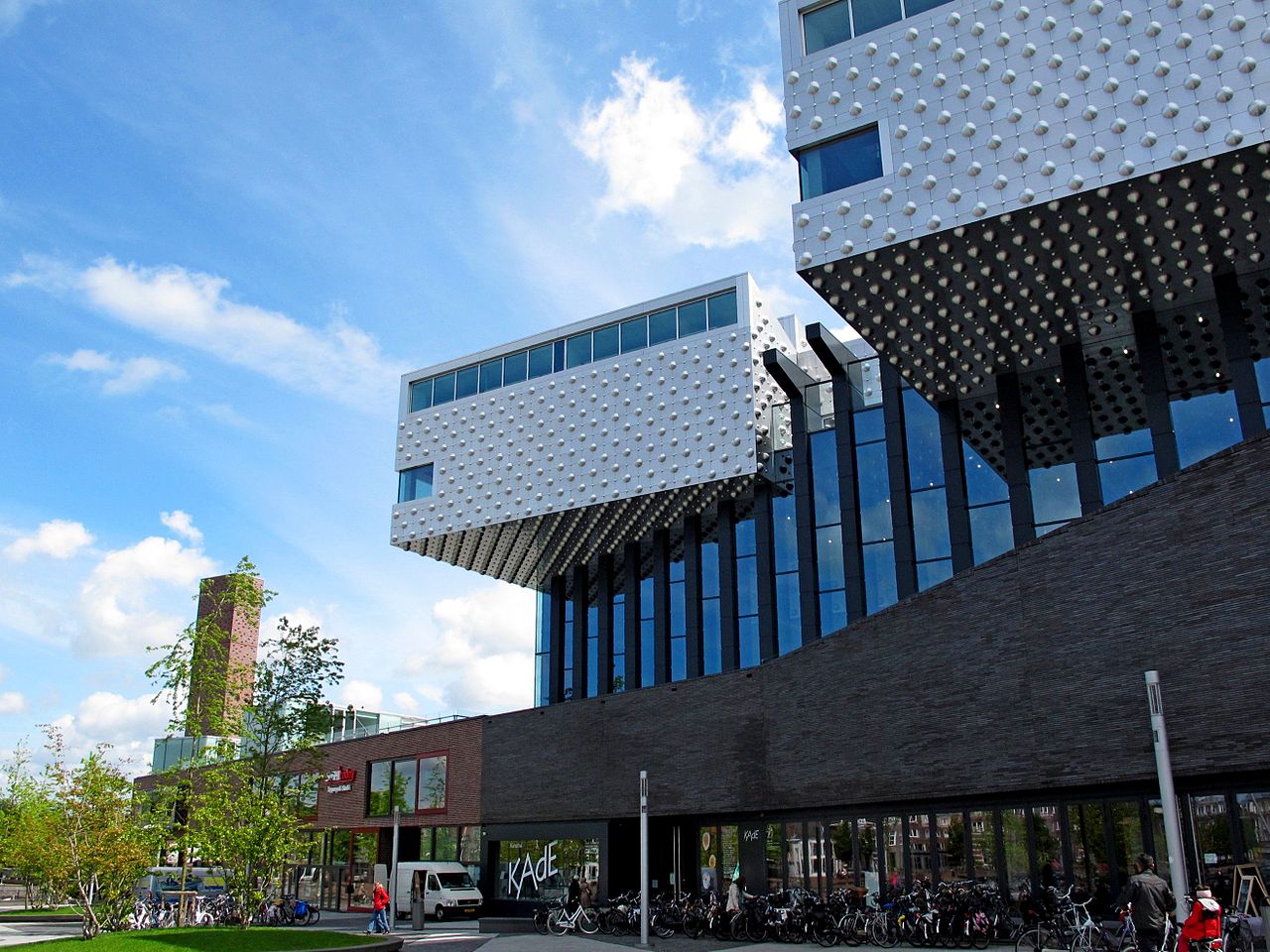


Geography and environment
Amersfoort lies where higher sandy soils meet lower river plains, giving it a varied natural setting within a short distance. Parks, waterways and remnants of old farmland provide green corridors into the town, while the Heuvelrug offers woodland and heathland close to the urban area. The presence of water routes and flat, arable land influenced settlement patterns from early times.
History and development
The settlement developed in the medieval period and grew around trade routes and river crossings. Its compact historic core retains narrow streets, defensive gates and towers that reflect its origins as a fortified market town. Over later centuries Amersfoort expanded beyond its medieval walls into suburbs and industrial zones and today blends heritage conservation with modern urban planning.
Landmarks and points of interest
- Onze Lieve Vrouwetoren — the tall church tower visible from across the region and an emblem of the city.
- Koppelpoort — a well-preserved medieval gate combining land and water defenses.
- Mondriaanhuis — a museum and interpretation centre dedicated to the painter Piet Mondrian, who was born in the city.
- Historic canals, museums, and sections of original city wall that attract visitors and residents alike.
Economy, transport and culture
Amersfoort functions as a regional transport hub with strong rail and road connections, serving commuters and freight across the Netherlands. The local economy includes services, public administration, education, light industry and tourism. Cultural life is active, with festivals, galleries and community events that make use of the historic public squares and renovated industrial spaces.

Visitors appreciate Amersfoort for its approachable historic centre, nearby natural areas suitable for walking and cycling, and museums that highlight local art and history. The city balances preservation of its character with contemporary development to meet the needs of a growing and diverse population.
Tags
Related articles
Author
AlegsaOnline.com Amersfoort — historic city in the central Netherlands Leandro Alegsa
URL: https://en.alegsaonline.com/art/3523