
Dan Coats
American Republican politician who served as U.S. Representative, U.S. Senator from Indiana, and Director of National Intelligence (2017–2019).
Daniel Ray "Dan" Coats (born May 16, 1943) is an American politician best known for long service in Congress and for leading the U.S. intelligence community as Director of National Intelligence. A member of the U.S. Republican Party, Coats represented Indiana in the House of Representatives and later in the U.S. Senate before accepting an executive branch post in 2017. His public career spans issues of national security, foreign affairs, and federal oversight.
Image gallery
4 Images


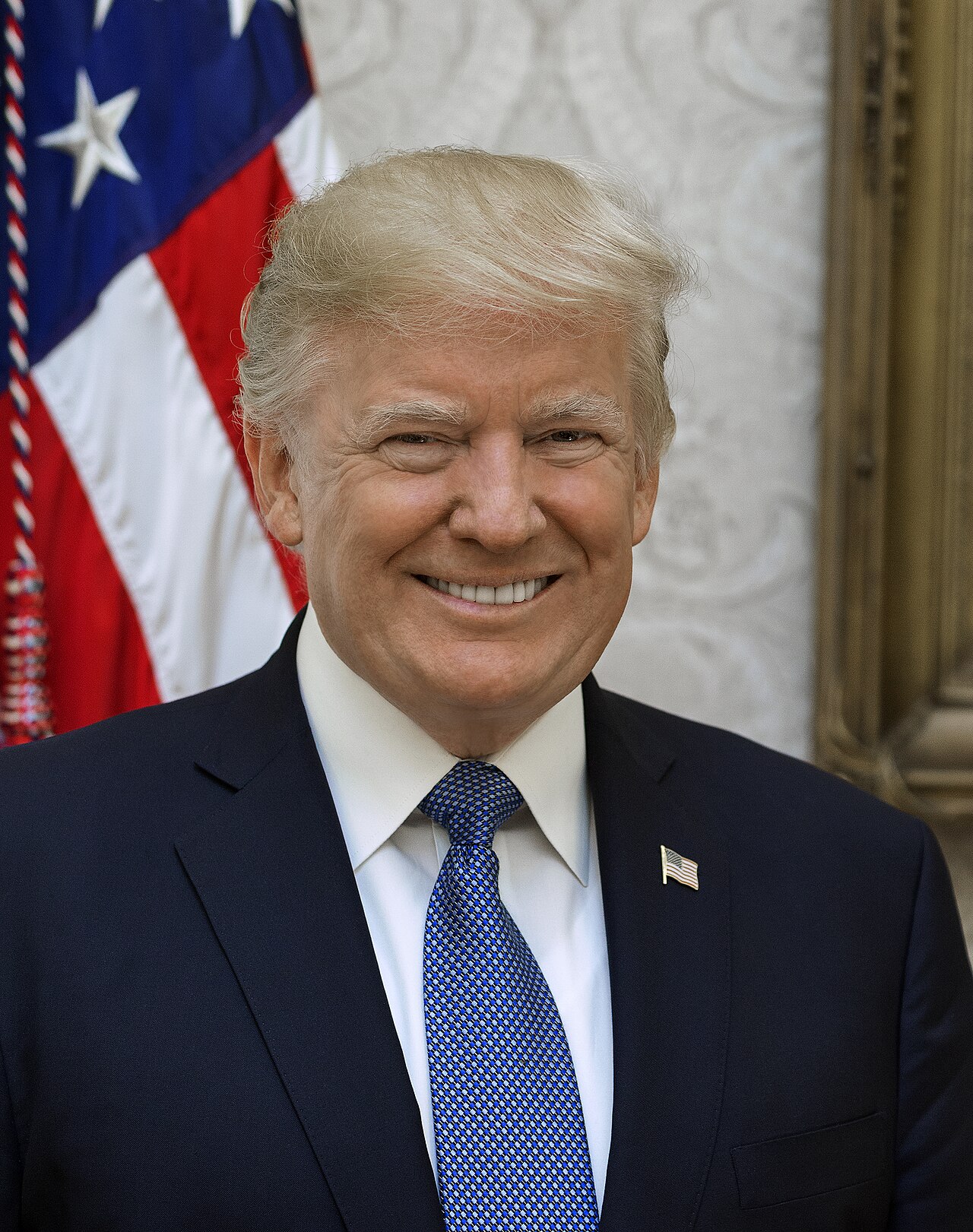
Political career overview
Coats served in the United States House of Representatives from 1981 to 1989, then as a U.S. Senator from Indiana from 1989 to 1999 and again from 2011 to 2017. He announced in March 2015 that he would not seek another Senate term and left the chamber in January 2017; his Senate seat was subsequently filled by Republican Todd Young. During more than three decades in public life, Coats developed a reputation for attention to intelligence and foreign policy matters, and for his alignment with the national Republican Party's positions on defense and fiscal matters.
Director of National Intelligence
In January 2017 President-elect Donald Trump nominated Coats to serve as Director of National Intelligence, a cabinet-level role created after 9/11 to coordinate the work of multiple intelligence agencies. Coats was confirmed and took office in March 2017, succeeding James R. Clapper. As DNI he was responsible for integrating intelligence collection and analysis across the community, providing assessments to the president and senior policymakers, and helping oversee the national intelligence budget. Coats announced his resignation in August 2019 and left the post later that year.
Roles, responsibilities and areas of focus
- Legislative service: represented Indiana in the House of Representatives and U.S. Senate, participating in debates on defense, trade, and federal spending.
- Intelligence oversight: as a senior senator and later as DNI, engaged in oversight of intelligence programs and efforts to improve coordination among agencies.
- Party affiliation: identified with the Republican Party and its national positions during his congressional tenure.
Electoral decisions and succession
After announcing he would not run for re-election in 2016, Coats was succeeded in the Senate by Todd Young. His choice to step down from the Senate cleared the way for a competitive Republican primary and the selection of Young as the party nominee and eventual winner. Coats’ later move to the executive branch reflected a shift from partisan campaigning to administrative leadership within the intelligence community.
Notable facts and legacy
Coats’ career illustrates a path from elected legislative office to senior executive responsibility in national security. He is one of a relatively small group of former members of Congress who later led the entire U.S. intelligence community. Observers note that his tenure as DNI emphasized restoring lines of communication among agencies and ensuring that intelligence assessments reached senior policymakers, while his long congressional service left a record on federal policy that continues to be cited in discussions of mid‑late 20th and early 21st century governance.
For further reading, see profiles and official summaries linked from government and biographical sources: Director of National Intelligence, congressional biographies of service from Indiana (Indiana), and party materials from the Republican Party. Additional context on his time in the House and Senate can be found through resources about the U.S. House of Representatives and the Senate succession by Todd Young. Contemporary coverage of his nomination and tenure as DNI referenced the roles of President Donald Trump and predecessor James R. Clapper.
Questions and answers
Q: Who is Dan Coats?
A: Dan Coats is an American politician who served as U.S. Senator from Indiana from 1989 to 1999 and 2011 to 2017. He is also the 5th and current Director of National Intelligence, serving since March 15, 2017.
Q: What party does Dan Coats belong to?
A: Dan Coats is a member of the U.S. Republican Party.
Q: Has Dan Coats ever served in the United States House of Representatives?
A: Yes, Dan Coats served in the United States House of Representatives from 1981 to 1989.
Q: When did Dan Coats retire from politics?
A: Dan Coats announced his retirement in March 2015 and did not run for re-election in 2016.
Q: Who replaced Dan Coats as U.S. Senator from Indiana?
A: Republican Todd Young replaced Dan Coats as U.S. Senator from Indiana.
Q: Who nominated Dan Coats for Director of National Intelligence?
A: President Elect Donald Trump nominated Dan Coats for Director of National Intelligence on January 5, 2017, succeeding James R. Clapper.
Q: When did Dan Coats announce his resignation as Director of National Intelligence?
A: Dan Coats announced his resignation as Director of National Intelligence in August 2019.
Related articles
Author
AlegsaOnline.com Dan Coats Leandro Alegsa
URL: https://en.alegsaonline.com/art/117104
Sources
- bioguide.congress.gov : "Coats, Daniel Ray"
- chicagotribune.com : "Trump selects former Indiana Sen. Coats for top intelligence post"
- thehill.com : "Coats and Bayh finally set to do battle"
- cnn.com : "Bayh won't seek Senate re-election"
- germany.usembassy.gov : "Speeches by Ambassador Coats"
- state.gov : "Biography: Daniel R. Coats"
- spiegel.de : "Irak-Kriegspläne: US-Botschafter mahnt die Deutschen - SPIEGEL ONLINE - Nachrichten - Politik"
- washtimesherald.com : "Coats, Bucshon to headline GOP dinner » Local News » The Washington Times-Herald"
- twitter.com : "Donald J. Trump"
- reuters.com : "Ratcliffe tapped to replace Coats as U.S. spy chief"
- cnn.com : "Dan Coats to step down, Trump tweets, as President announces Ratcliffe will be nominated as next director of national intelligence"