
Dan Kelly (1861–1880): Australian bushranger and member of the Kelly Gang
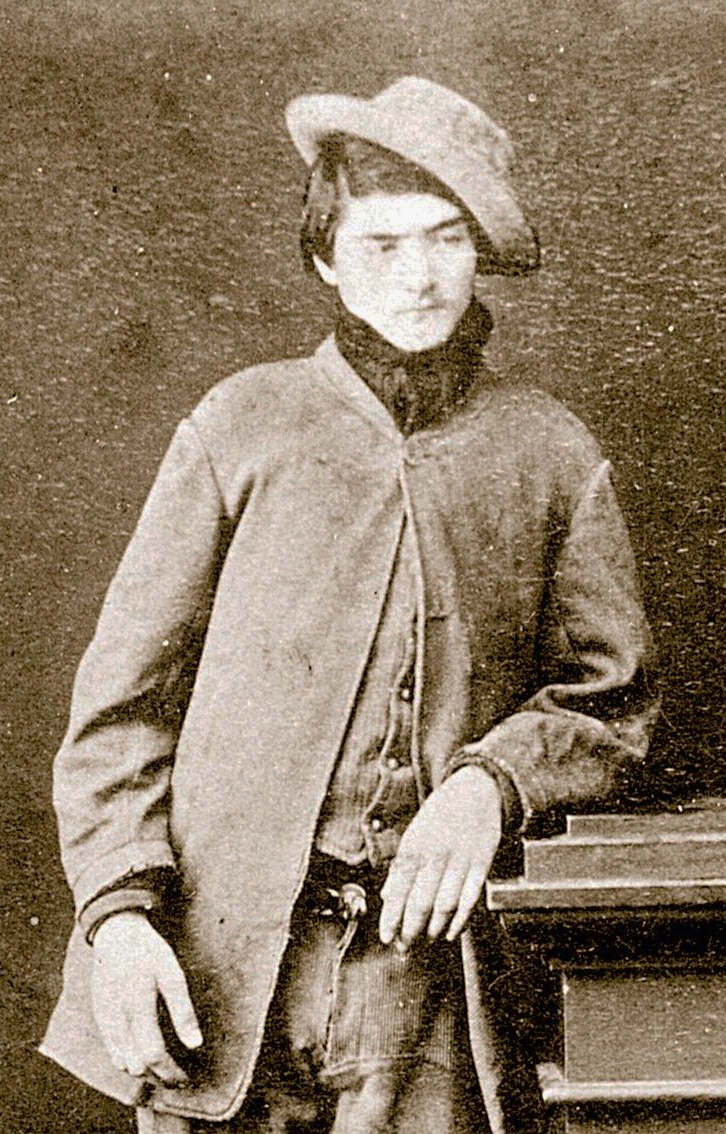
Dan Kelly, youngest brother of Ned Kelly, was an Australian bushranger and member of the Kelly Gang who died during the siege at Glenrowan; his life and death remain part of Australian outlaw history.
Overview
Dan Kelly (1 June 1861 – 28 June 1880) was an Australian bushranger and a member of the group commonly called the Kelly Gang. He was the youngest brother of Ned Kelly and took part in the gang's activities in rural Victoria and across the border in New South Wales. The gang became notorious for bank robberies, hold-ups and a violent encounter with police at Stringybark Creek that led to the deaths of three policemen in October 1878. For nearly two years the gang evaded capture while the authorities mounted a large-scale pursuit.
Image gallery
10 Images



Family background and early life
Dan grew up in a family of Irish background, part of a community in colonial Victoria shaped by immigration, policing and economic hardship. His family history included convicts and settlers, a common pattern in the colony that influenced local attitudes toward authority and law. Like many young men in rural districts, Dan worked in farming and grazing before becoming involved in the events that led him into outlawry.
Stringybark Creek and ensuing charges
The confrontation at Stringybark Creek brought the Kelly Gang to public attention. In the aftermath of those shootings the colonial government declared the gang outlaws, and warrants and rewards were issued. Dan, along with his brothers and associates, was implicated and later charged in relation to the killings and subsequent robberies. Legal records and contemporary newspaper reports document the charges and the intense effort by police to arrest the gang.
Glenrowan siege and death
The gang's final episode unfolded at Glenrowan, where members attempted to derail a police train and took over a railway inn. Wearing improvised plate armour fashioned from iron, the gang engaged police in a prolonged and bloody confrontation. The siege at Glenrowan ended with deaths and severe injuries. Dan Kelly was killed on 28 June 1880 during the assault; the fire and chaotic conditions at the scene complicated identification of some bodies, and aspects of the immediate aftermath have been the subject of later historical discussion.
Aftermath and legal consequences
Following the siege, surviving members were tried, and the colonial justice system moved to punish those connected to the gang. Arrests and prosecutions extended to associates and family members, provoking debate about policing methods and civil liberties. Contemporary court documents and later historical studies examine how the state responded to bushranging and how public opinion was divided between condemnation of violence and sympathy for perceived social grievances.
Legacy and cultural impact
The story of Dan Kelly and the Kelly Gang has had a lasting cultural footprint in Australia. The gang became a recurring subject in books, plays and films, including the early production often cited as the world's first feature-length film, The Story of the Kelly Gang. Film historians and cultural critics reference that 1906 production when tracing how the Kelly narrative entered popular culture and national myth. Scholarly debate continues over whether the gang should be seen primarily as criminals, social rebels, or symbols of colonial resistance.
Historiography and research sources
Research on Dan Kelly draws on a mix of primary sources—police records, court transcripts and newspaper accounts—and secondary scholarship that situates the gang in the politics of 19th-century Victoria. Studies consider the roles of Irish heritage, convict legacies and frontier conditions in shaping both criminal behaviour and community responses. Legal documents and archival material in Victoria and New South Wales remain important for researchers examining evidence, testimony and official correspondence.
Further reading and cultural resources
For broader context, readers may consult histories of colonial policing, accounts of outlawry and collections that analyse how popular media has represented the gang. Discussions of outlaw narratives, critical studies of early cinema and legal histories provide different lenses on the events that ended at Glenrowan. Archives, biographies and film histories—including work on early film—offer detailed treatments of the people and places involved, and legal records provide the documentary backbone for many reconstructions. Public interest in the Kelly story continues to generate new interpretations and to inform debates about crime, memory and identity in Australian history. See also contemporary analyses of the gang's actions and the official responses documented in court and police records.
- Dan Kelly was the youngest of the Kelly brothers and took part in the gang's operations until Glenrowan.
- The Stringybark Creek shootings and the Glenrowan siege are the principal events associated with the gang's violent confrontations with police.
- Cultural portrayals, from early film to modern histories, have shaped public perceptions and sparked ongoing scholarly debate.
Questions and answers
Q: Who was Dan Kelly?
A: Dan Kelly was an Australian bushranger and outlaw, and the youngest brother of Ned Kelly.
Q: What did Dan and his brother do that made them outlaws?
A: Dan and his brother killed three policemen, which made them outlaws.
Q: Who did Dan form a gang with?
A: Dan formed a gang with two of his friends, which was famously known as the Kelly Gang.
Q: How did Dan Kelly die?
A: Dan Kelly died during the famous siege of Glenrowan.
Q: What is the significance of the Kelly Gang in Australian history?
A: The Kelly Gang is a significant subject in Australian history, with more books written about them than any other subject.
Q: What was the Kelly Gang notorious for?
A: The Kelly Gang was notorious for robbing banks, taking over whole towns, and keeping people in Victoria and New South Wales frightened.
Q: How effective were the Victorian police in catching the Kelly Gang?
A: The Victorian police searched for the Kelly Gang for two years, locked up their friends and families, but could not find them. They were not effective in catching the gang.
Related articles
Author
AlegsaOnline.com Dan Kelly (1861–1880): Australian bushranger and member of the Kelly Gang Leandro Alegsa
URL: https://en.alegsaonline.com/art/117109
Sources
- ironoutlaw.com : "Kelly Beveridge house"
- nedonthenet.com : "John Kelly house"
- www2.visitvictoria.com.au : "Ned Kelly touring route"
- vhd.heritage.vic.gov.au : "John Kelly's Former House"
- adb.online.anu.edu.au : "Kelly, Edward (Ned) (1855—1880)"
- ironoutlaw.com : "Dan Kelly"
- heraldsun.com.au : "Bullets from Ned Kelly's shoot-out at Glenrowan found"
- www2.slv.vic.gov.au : "Kelly Armour Exchange, State Library of Victoria"
- nishi.slv.vic.gov.au : "The True Story of the Kelly Armour"
- police.vic.gov.au : "Victoria Police Museum"
- nfsa.gov.au : "National Film and Sound Archive — Restoration of The Story of the Kelly Gang (1906)"
- halenet.com.au : "Dan Kelly"