
Daniel Patrick Moynihan
American sociologist, author and Democratic politician; U.S. senator from New York, diplomat, and influential analyst of social policy and family structure.
Daniel Patrick Moynihan (1927–2003) was an American politician and sociologist who combined academic research with active public service. A member of the Democratic Party, Moynihan won election to the United States Senate representing New York in 1976 and served four full terms. He declined to seek re-election in 2000 and left the Senate at the start of the 21st century.
Image gallery
5 Images


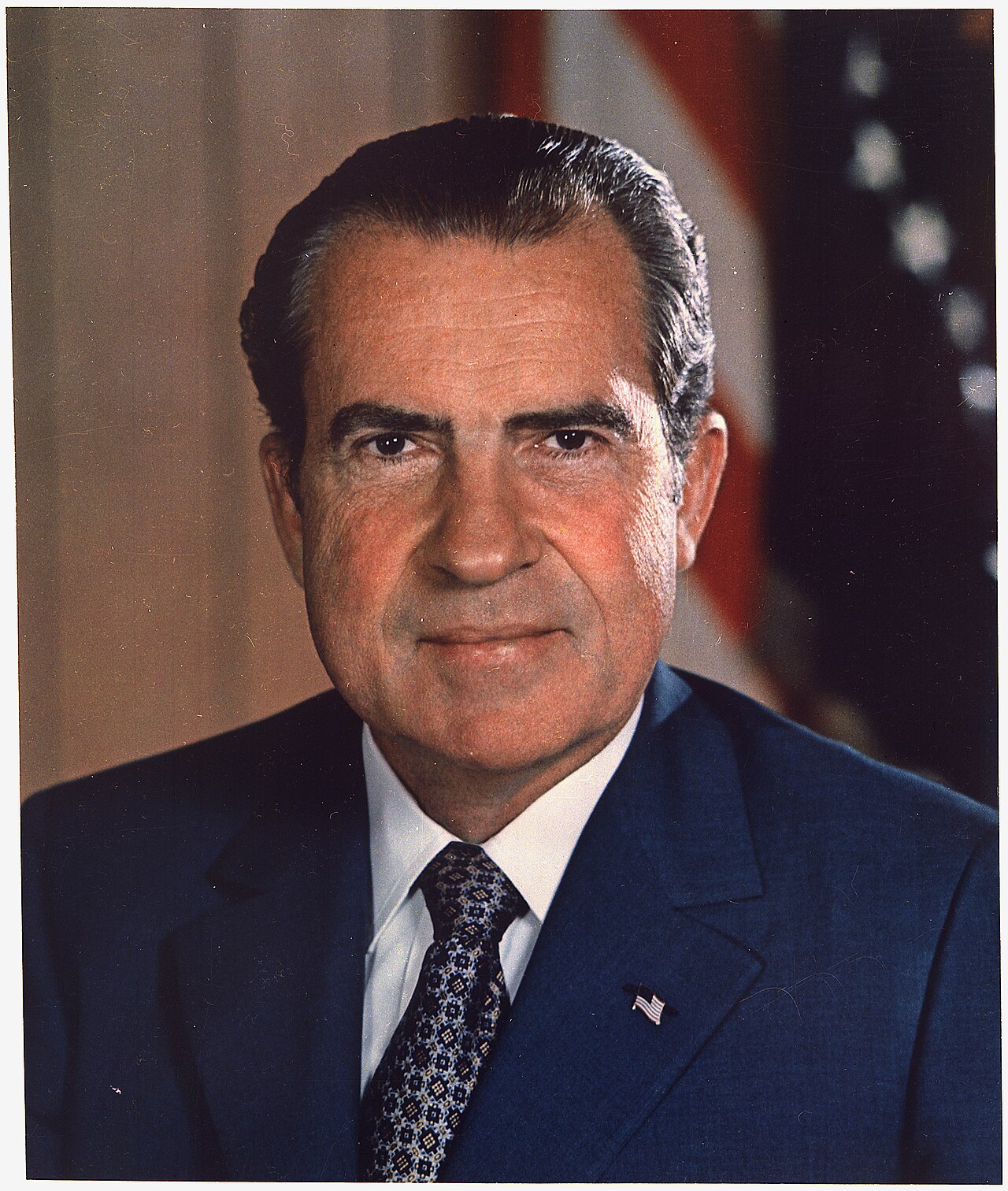
Roles and public service
Moynihan held prominent diplomatic posts during his career, including appointments as ambassador to the United Nations and to India. He also acted as a policy adviser in multiple presidential administrations, beginning with the administration of John F. Kennedy and continuing through the administration of Gerald Ford. His public roles spanned domestic policy, urban affairs, and international diplomacy.
Intellectual contributions
Trained as a social scientist and active as a writer, Moynihan is best known for applying rigorous social analysis to government policy. His early studies of urban poverty and family structure influenced debates on welfare, race, and employment. While controversial at times, his work pushed policymakers to consider how family patterns and social institutions interact with economic conditions.
Legislative and policy priorities
In the Senate Moynihan was noted for a combination of intellectual independence and practical concern for governance. He worked on budget and fiscal matters, housing and urban affairs, and foreign policy. Colleagues and observers described him as an institutionally minded lawmaker who valued data-driven approaches and long-term policy thinking over partisan rhetoric.
Reputation, controversies, and legacy
Moynihan's career attracted both praise and criticism. Some applauded his willingness to challenge orthodoxies and to bring scholarly evidence into public debate; others disputed particular conclusions or the implications of his recommendations. Regardless, his name remains associated with efforts to bridge academic research and public policy, and with an era when scholar-advisers played visible roles in government.
Daniel Patrick Moynihan died in 2003 of complications following surgery at a hospital in Washington, D.C. His papers, speeches, and published work continue to be consulted by students of social policy and American political history. For further reading, see specialized biographies, collections of his writings, and institutional histories that place his contributions in the context of late 20th-century American governance.
- politician — public office and elections
- sociologist — research on family and poverty
- Democratic Party — party affiliation
- United States Senate — legislative service
- New York — state represented
- United Nations — diplomatic posting
- India — diplomatic posting
- presidential administrations — advisory roles
- John F. Kennedy — early administration service
- Gerald Ford — later administration service
- hospital — place of death
Related articles
Author
AlegsaOnline.com Daniel Patrick Moynihan Leandro Alegsa
URL: https://en.alegsaonline.com/art/117044
Sources
- cbsnews.com : AP obituary