
Cornelius Vanderbilt
Cornelius Vanderbilt (1794–1877) was an American entrepreneur who created a shipping and railroad empire, became one of the nation's richest figures, and donated the founding gift for Vanderbilt University.
Overview
Cornelius Vanderbilt (May 27, 1794 – January 4, 1877), often called "The Commodore," was an American entrepreneur whose career transformed nineteenth‑century transportation. He began as a small ferry operator and later built large steamship lines before concentrating on railroads, creating a business network that made him one of the wealthiest Americans of his era. He provided the key endowment that established Vanderbilt University in Nashville, and he remained a central figure in the rise of the Gilded Age.
Image gallery
10 Images




Early life and maritime beginnings
Born on Staten Island, Vanderbilt started working as a teenager on boats in New York Harbor. He built a reputation for toughness and a talent for spotting profitable routes, expanding into steamboats that served coastal, river, and short international trade. Fierce price competition and aggressive tactics marked this period, and his shipping ventures supplied the capital he later invested in railroads. For an overview of his business ventures see business enterprises.
Railroads and consolidation
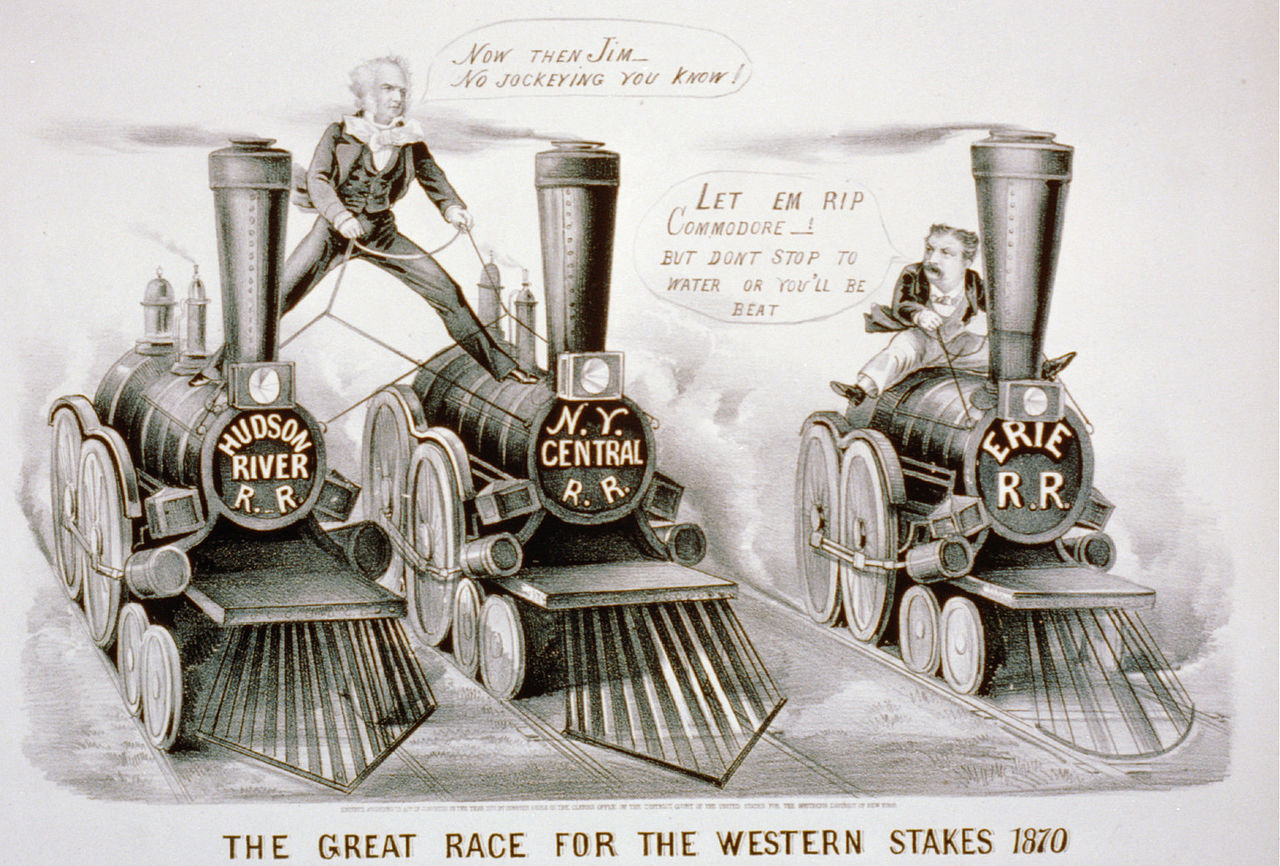
In the 1850s and 1860s Vanderbilt turned his attention to rail transport, buying and unifying several lines to form larger, more efficient routes linking New York and the American interior. His efforts helped standardize timetables, reduce transit times, and create integrated freight and passenger services. He faced strong competitors and contentious financial battles as he consolidated control, and his methods—combining cost‑cutting with centralized management—were influential in shaping corporate practice.
Philanthropy, family, and institutions
Despite a reputation for hard bargaining, Vanderbilt made significant philanthropic gestures. His major public gift funded the creation of Vanderbilt University, for which he provided the founding endowment that secured the school's future and gave it his name; more information is associated with the institution at Vanderbilt University. He was the patriarch of the Vanderbilt dynasty that played a lasting role in business, society, and philanthropy (the Vanderbilt family). Later generations used portions of the family fortune to build cultural institutions, houses, and art collections that remain notable.
Controversies and historical assessment
Vanderbilt's life is often discussed in contrast as both quintessentially American and deeply controversial. Observers have criticized the ruthless tactics he used to eliminate competition and the concentration of wealth that followed. Historians also examine how nineteenth‑century commerce, including the shipping and trade networks in which he participated, intersected with the antebellum economy; some accounts debate the extent and nature of his ties to practices connected to slavery and the Southern market, and such claims are treated with caution in scholarship (see discussion of controversies). He died in New York City on January 4, 1877, of chronic respiratory illness; contemporary records list chronic obstructive pulmonary disease among reported causes (cause of death).
Notable facts
- Nickname: "The Commodore" for his maritime roots.
- Primary industries: steamship lines and railroad consolidation.
- Legacy: founding benefactor of Vanderbilt University and patriarch of a prominent American family.
- Wealth at death: commonly estimated in excess of $100 million in 1877 dollars—equivalent by many measures to several billions today.
Cornelius Vanderbilt remains a central figure in studies of American business history: his methods and institutions illustrate both the rapid industrial expansion of the nineteenth century and the debates over wealth, power, and public responsibility that followed.
Related articles
Author
AlegsaOnline.com Cornelius Vanderbilt Leandro Alegsa
URL: https://en.alegsaonline.com/art/116828
Sources
- query.nytimes.com : "Commodore Vanderbilt's Life"
- timesmachine.nytimes.com : "Cornelius Vanderbilt.; A Long And Useful Life Ended. The Renowned Commodore Dies After Eight Months' Illness His Remarkable Career As A Man Of The World His Wealth Estimated At $100,000,000 Particulars Of His Illness And Death"
- timesmachine.nytimes.com : "Commodore Vanderbilt's Life"