
Charles Tupper: Nova Scotian statesman and short‑tenure Prime Minister of Canada
Sir Charles Tupper (1821–1915) was a Father of Confederation, premier of Nova Scotia who brought the province into Canada, a long‑serving federal politician and the shortest‑serving Canadian Prime Minister.
Sir Charles Tupper (July 2, 1821 – October 30, 1915) was a Canadian physician turned politician who played a central role in Confederation and in federal politics for decades. He served as premier of Nova Scotia when that colony joined the new Dominion of Canada, later held senior cabinet posts, and briefly became Prime Minister late in his career. For more on his honours and titles see honours and awards.
Image gallery
10 Images


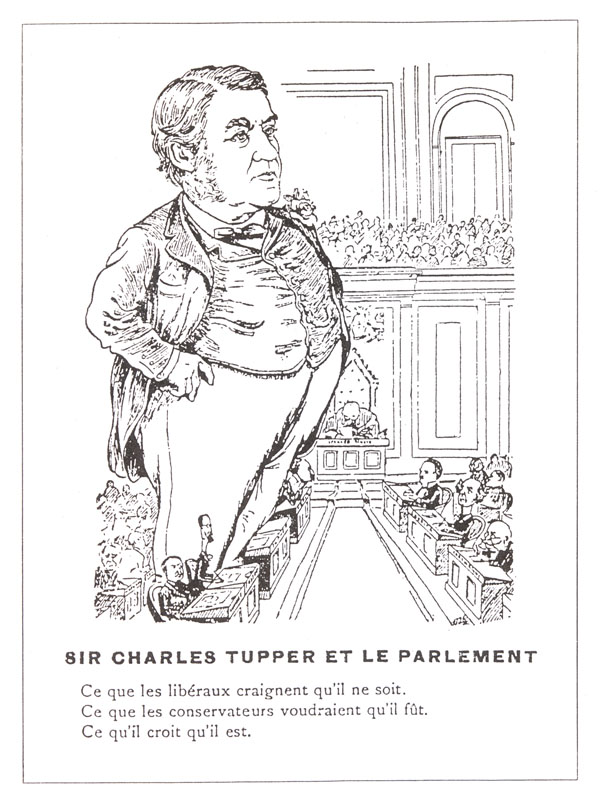


Early life and professional background
Tupper trained as a physician before entering public life, gaining a reputation in Nova Scotia as a community leader and reformer. His professional standing helped launch a political career in the 1850s and 1860s, a period when medical men frequently moved into colonial politics. Biographical outlines and archival material can be found via biographical sources.
Provincial leadership and Confederation
As premier of Nova Scotia from 1864 to 1867, Tupper was a leading advocate for union and conducted the negotiations that persuaded his province to enter Confederation. He is widely regarded as one of the Fathers of Confederation for his role in those conferences and debates. Contemporary accounts and provincial records are available through provincial archives and historical collections; see provincial records for primary materials.
Federal career and brief premiership
After Confederation, Tupper served in federal politics for many years, holding important cabinet positions and representing Canadian interests in London as an imperial representative. Late in his career he became leader of the Conservative Party and was appointed Prime Minister, a tenure that lasted only about two and a half months. That short administration makes him the shortest‑serving Prime Minister in Canadian history.
Later life, honours and legacy
Tupper lived to an advanced age, dying in 1915 at 94. He was created a baronet and received imperial honours reflecting his long public service. Historians note his combination of energetic public work, organizational skill, and the paradox of a long political life capped by an unusually brief prime ministership. For further reading and digitized documents see further resources.
Notable facts
- Recognized as a Father of Confederation for leading Nova Scotia into union.
- Served as premier of Nova Scotia (1864–1867) and later served many years in federal cabinet roles.
- Held the record as the shortest‑serving Prime Minister of Canada (about two and a half months).
- Combined a professional medical background with an unusually prolonged public career, leaving a mixed but substantial legacy in both provincial and national politics.
This article gives a concise overview of Charles Tupper's life and significance. For detailed primary documents, speeches and correspondence, consult the linked collections and specialized biographies noted above (honours, biography, provincial records, further resources).
Related articles
Author
AlegsaOnline.com Charles Tupper: Nova Scotian statesman and short‑tenure Prime Minister of Canada Leandro Alegsa
URL: https://en.alegsaonline.com/art/116244
Sources
- parl.gc.ca : "TUPPER, The Right Hon. Sir Charles"
- wikidata.orgQ128672.html : wikidata.orgq128672.html
- d-nb.info : 130246956
- isni.org : 0000 0000 8394 877X
- id.loc.gov : n85228278
- uli.nli.org.il : 000472870
- snaccooperative.org : w6xh0vfj
- viaf.org : 74954845
- worldcat.org : lccn-n85228278