
Charles Van Doren
American writer and editor who became central to the 1950s quiz show scandal, later a longtime editor and vice president at Encyclopaedia Britannica; his case reshaped public trust in television.
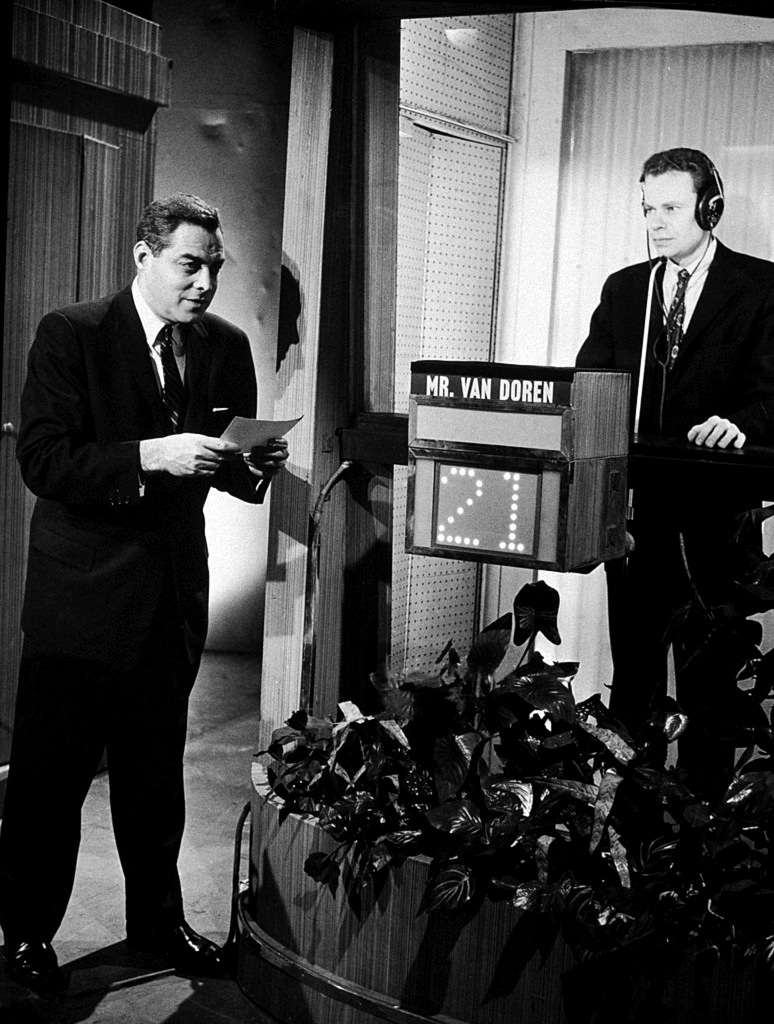
Charles Van Doren (1926–2019) was an American writer, educator and editor whose public confession that he had been given answers on a popular television quiz show made him a central figure in a major 1950s media scandal. After admitting his role in the rigging of the program, Van Doren left broadcasting and spent the bulk of his subsequent career in publishing and reference work editorial roles.
Image gallery
5 Images


Early life and background
Van Doren came from an intellectual family and trained in the humanities. He studied and taught in academic settings before moving into television at a time when quiz shows were among the most popular programs in the United States. His polished manner and apparent erudition helped make him a television celebrity in the mid‑1950s.
The quiz show controversy
Van Doren rose to fame as a contestant on the quiz series Twenty-One. In 1959 he testified that producers had supplied him with correct answers in advance, a revelation that undercut the credibility of televised contests. His congressional testimony — in which he acknowledged the producers’ role and his participation — became a landmark moment in the investigations into television ethics and program manipulation. He was subsequently dismissed from his television work; contemporary reports noted his firing by major broadcast outlets. For documentation of the hearings, see congressional testimony.
Aftermath and publishing career
Following the scandal, Van Doren reoriented his professional life toward books and reference publishing. In 1959 he joined Encyclopaedia Britannica, where he served for many years as an editor and later as a vice president. In that role he edited and contributed to a range of reference volumes, essays and educational materials before retiring in the early 1980s. His move to Britannica marked a deliberate retreat from public spectacle to scholarly and editorial work. Reports at the time mentioned his dismissal from television networks such as NBC; see contemporary coverage.
- Public confession: Van Doren’s admissions helped end the era of staged quiz shows.
- Professional recovery: He rebuilt a quieter career in publishing and education.
- Cultural impact: The scandal prompted debate about media ethics and oversight.
Legacy and later life
Van Doren’s life after the scandal was spent largely outside the limelight. He continued to write and edit, and his later years were devoted to scholarship and family life. His role in the quiz show investigations has been the subject of books and dramatizations that explore television ethics and the pressures of celebrity. He died in a retirement community in Connecticut on April 9, 2019; see notice at place of death.
Related articles
Author
AlegsaOnline.com Charles Van Doren Leandro Alegsa
URL: https://en.alegsaonline.com/art/116246