
Charles Villiers Stanford
Irish-born composer and influential teacher in Britain whose choral, orchestral and pedagogical work shaped late 19th–early 20th century English music.
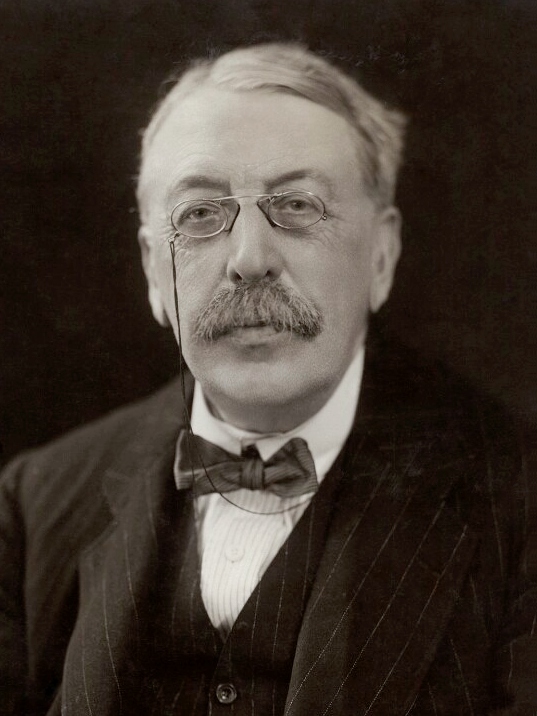
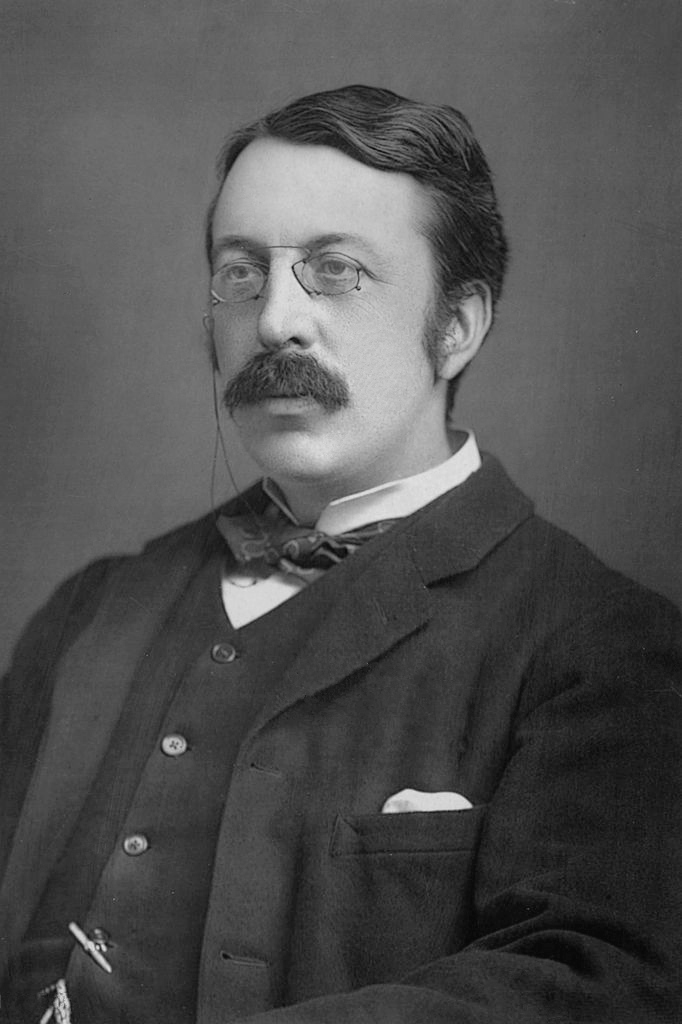
Charles Villiers Stanford was an Irish-born composer and teacher, born in Dublin on 30 September 1852 and died in London on 29 March 1924. Identified as Irish by birth, he spent most of his professional life in England, where he became a central figure in musical education and composition. He is widely remembered for his craftsmanship, conservative musical language and the large number of prominent pupils he taught.
Image gallery
10 Images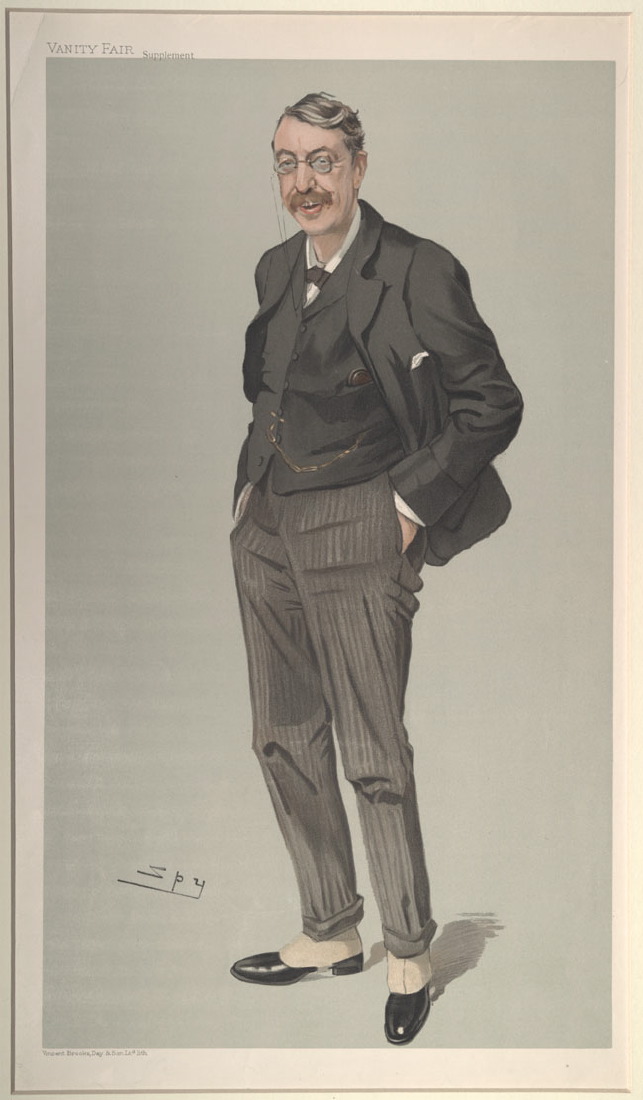





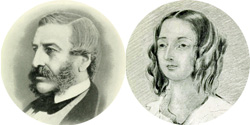
Life and career
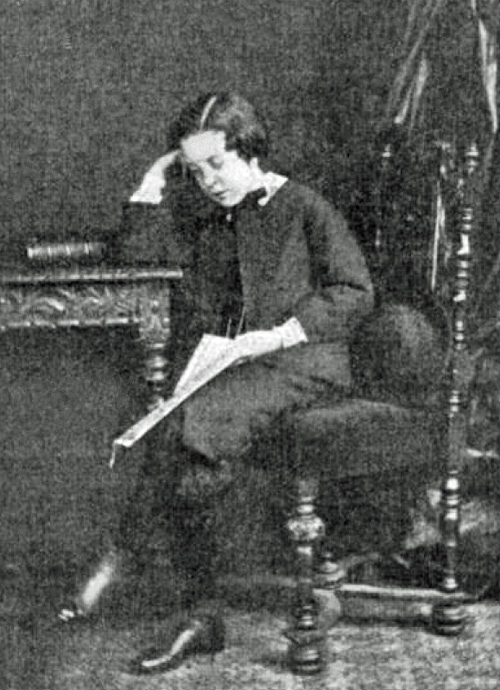
After early musical training in Ireland and studies on the Continent, Stanford established himself in Britain as both a composer and an influential teacher. He was closely associated with major British music institutions and served as one of the original professors at the Royal College of Music. Later he also held a university chair and continued to teach successive generations of composers, helping to shape what has been called an English musical renaissance.
Music and style
Stanford wrote in many genres: orchestral works, concertos, chamber music, songs and a substantial body of Anglican church music. His style shows the influence of the Germanic tradition—clarity of form, mastery of counterpoint and a commitment to tonal harmony—combined with an English preference for lyrical melody and choral textures. His music was respected for its technical assurance even when, in the mid-20th century, some of it fell out of regular performance.
Works and pupils
- Representative output: symphonies, concertos, large-scale choral works and numerous anthems and services.
- Notable students: Ralph Vaughan Williams, Gustav Holst, Frank Bridge, John Ireland and others who became leading figures in British music.
Stanford also contributed to the performance and teaching repertoire through editions and lectures. Though his music was sometimes overshadowed by later modernist trends, recent revivals and recordings have renewed interest in his orchestral and choral pieces, emphasizing his role as a bridge between Victorian musical practice and the flowering of English composition in the 20th century.
For further reading about his life and corpus, consult biographies and music histories that discuss his dual legacy as a composer and as a teacher who influenced a generation of British composers. General reference entries and dedicated studies provide scores, recordings and scholarly assessment of his place in musical history; see also contemporary archival resources and institutional histories for more detail on his academic posts and pupils (further information).
Questions and answers
Q: Who was Charles Villiers Stanford?
A: Charles Villiers Stanford was an Irish composer.
Q: When was Stanford born?
A: Stanford was born on 30 September 1852.
Q: Where was Stanford born?
A: Stanford was born in Dublin.
Q: Where did Stanford spend most of his life?
A: Stanford lived in England for most of his life.
Q: When did Stanford die?
A: Stanford died on 29 March 1924.
Q: What was Stanford's profession?
A: Stanford was a composer.
Q: Where did Stanford die?
A: Stanford died in London.
Related articles
Author
AlegsaOnline.com Charles Villiers Stanford Leandro Alegsa
URL: https://en.alegsaonline.com/art/116249